
China’s XI Jinping Calls for AI Development Cooperation
China's Xi Jinping Advocates for Global AI Collaboration China s XI Jinping Calls for AI - At the opening of the World Artificial Intelligence Conference
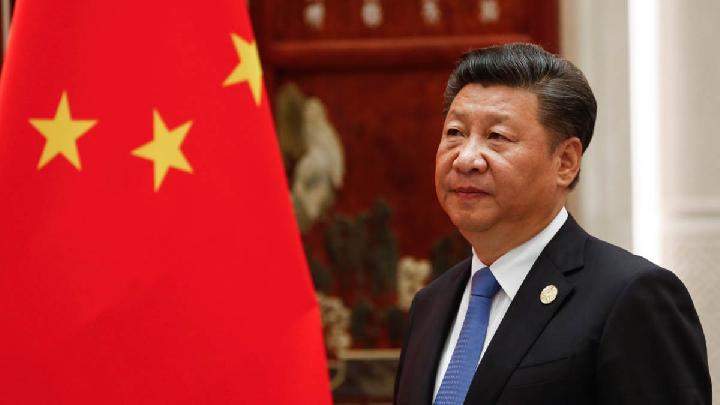
China’s Xi Jinping Advocates for Global AI Collaboration
China s XI Jinping Calls for AI – At the opening of the World Artificial Intelligence Conference (WAIC) in Shanghai, China’s President Xi Jinping underscored the importance of international cooperation in advancing artificial intelligence (AI) technologies. His remarks highlighted the need for collective effort in fostering AI development, ensuring that no single nation dominates the field at the expense of global equity. By calling for a unified approach, Xi Jinping emphasized that AI’s transformative potential should be shared across borders to benefit all of humanity. This vision aligns with China’s broader strategy to position itself as a leader in the AI sector while promoting inclusive innovation for developing countries.
Global AI Cooperation as a Strategic Imperative
Xi Jinping’s keynote address at the WAIC served as a clarion call for nations to collaborate in shaping the future of AI. He argued that the rapid evolution of artificial intelligence demands a coordinated global response to address both its opportunities and challenges. “AI development must not be a solitary endeavor, but a collaborative effort that unites nations in a harmonious rhythm of innovation,” he stated, urging governments and private entities to work together. The speech also reiterated China’s commitment to contributing to global technological progress, leveraging its domestic expertise and resources to support international initiatives.
During the conference, Xi Jinping outlined specific measures to enhance global AI cooperation, including fostering partnerships with countries in Asia, Africa, and Latin America. He pointed to the potential of these collaborations to bridge the technological divide and empower regions with limited access to cutting-edge AI tools. By integrating developing nations into the AI ecosystem, China aims to create a more balanced and sustainable framework for innovation. This approach contrasts with the competitive strategies of some Western nations, which have historically prioritized technological self-sufficiency over shared development.
Establishing the World AI Cooperation Organization
A significant milestone during the WAIC was the signing of a landmark agreement to form the World AI Cooperation Organization (WAICO), with its headquarters in Shanghai. The organization, which includes 29 founding members, seeks to institutionalize global collaboration in AI research and application. These members range from established powers like Russia and Brazil to emerging economies such as Cuba and Vietnam, reflecting a diverse coalition of interests. Xi Jinping’s advocacy for such an entity underscores China’s ambition to lead in shaping international AI standards and policies. The WAICO will serve as a platform to facilitate knowledge exchange, joint projects, and capacity-building efforts across the globe.
The formation of WAICO is part of a broader trend of China’s efforts to expand its influence in the global tech arena. By hosting high-profile events like the WAIC and promoting initiatives that integrate developing nations, Beijing is positioning itself as a central player in the AI landscape. The organization’s focus on equitable access and collective progress aligns with Xi Jinping’s vision of a multipolar world where technological advancement is not limited to a few dominant economies. This strategy also aims to counterbalance the dominance of Western tech giants and create alternative pathways for innovation.
US-China Rivalry and the Role of AI in Global Politics
Xi Jinping’s push for global AI cooperation comes amid growing tensions between the United States and China. The two nations are locked in a technological arms race, with AI becoming a critical battleground. While the U.S. has traditionally been a leader in AI research, China’s advancements in areas like machine learning and autonomous systems have challenged this status quo. The WAIC provided an opportunity for Beijing to showcase its progress and assert its leadership role, even as it called for partnerships to mitigate competition.
Despite the rivalry, Xi Jinping stressed the importance of avoiding “new historical imbalances” in AI development. He warned against policies that could fragment the global AI community, such as trade restrictions and export controls. “Balanced measures are essential to ensure that national security concerns do not stifle innovation or exclude developing nations from the benefits of AI,” he said. This sentiment reflects China’s desire to reconcile economic competition with shared technological goals, advocating for a framework where security and progress coexist without conflict.
Expanding AI’s Impact Through Global Partnerships
The WAIC’s four-day event featured over 1,000 exhibitors from Chinese technology firms, demonstrating the country’s robust AI industry. Products such as autonomous smartphones and AI-driven healthcare systems were highlighted, showcasing the practical applications of the technology. Notable attendees included UN Secretary-General Antonio Guterres, who endorsed the need for global collaboration, and leaders from Southeast Asian nations like Cambodia and Thailand, indicating the conference’s regional significance.