
Chicago’s Air Quality Rank Worst in the World: What to Know
the World: What to Know Chicago s Air Quality Rank Worst - Chicago's Air Quality Rank has recently plummeted to the lowest ever recorded globally, according
Chicago’s Air Quality Rank Worst in the World: What to Know
Chicago s Air Quality Rank Worst – Chicago’s Air Quality Rank has recently plummeted to the lowest ever recorded globally, according to updated data from NBC Chicago and IQAir. The city’s composite air quality index (AQI) surged to an alarming 651, placing it at the top of the world’s worst air quality list. This marks a dramatic increase from Chicago’s previous record of 175, set on June 27, 2023, highlighting an unprecedented spike in pollution levels. The AQI, a standardized measure of air contamination, is now classified as hazardous, prompting urgent health advisories for residents and visitors alike.
Wildfire Smoke and Atmospheric Conditions
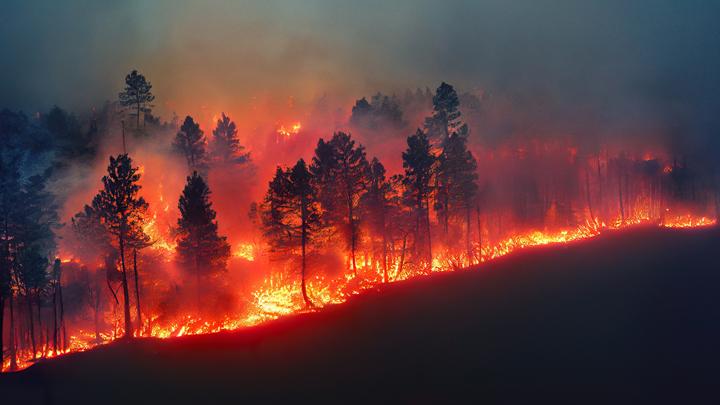
The primary cause of Chicago’s deteriorating Air Quality Rank is the influx of smoke from Canadian wildfires, which intensified in late June. According to NASA, these fires were fueled by prolonged dry spells and high temperatures, exacerbated by a persistent heat dome that trapped heat and pollutants near the surface. By mid-July, nearly 850 wildfires were burning across Canada, with over 180 concentrated in Ontario. This massive combustion event generated vast amounts of particulate matter, which traveled thousands of miles to affect cities like Chicago.
Wildfire smoke has created a dense, orange haze over the Midwest, including Chicago, with PM2.5 levels soaring to dangerous heights. The National Weather Service reported that smoke conditions worsened on Thursday evening, prompting an extended air quality alert. The pollution has also reached as far as New York City, where officials warn of heightened health risks. Chicago’s Air Quality Rank has not only declined but has also drawn comparisons to some of the most polluted cities in history, such as Delhi and Beijing.
Health Impacts and Public Advisories
Health experts have warned that Chicago’s Air Quality Rank, now the worst globally, poses severe risks to the population. The hazardous AQI level means that even healthy individuals may experience respiratory issues, such as coughing, wheezing, and shortness of breath. Vulnerable groups, including children, the elderly, and those with preexisting conditions, are advised to limit outdoor exposure. The Illinois Environmental Protection Agency (IEPA) has issued guidelines, urging residents to stay indoors and use air purifiers when necessary.
Local authorities have taken proactive steps to mitigate the effects of the smoky air. Chicago’s Air Quality Rank has led to the cancellation of outdoor events, including a Major League Soccer match at Soldier Field. Pools and beaches were closed on Thursday, and schools in affected areas have been encouraged to switch to indoor activities. The situation underscores the interconnectedness of environmental factors, as smoke from distant wildfires has now reached the heart of the United States.
Residents are being advised to wear N95 masks when venturing outside and to monitor air quality updates. The IEPA has also recommended reducing car usage and avoiding strenuous activities during peak pollution hours. Chicago’s Air Quality Rank serves as a stark reminder of how regional weather patterns and global climate trends can impact urban environments. The city’s residents are now facing a prolonged period of poor air quality, with forecasts indicating that the haze may linger for several days.
Comparisons with Other Cities
While Chicago’s Air Quality Rank has reached the worst in the world, similar conditions have affected other cities in the U.S. and Canada. Hazardous air quality alerts were issued in Grand Rapids, Michigan; Pittsburgh, Pennsylvania; and Toledo, Ohio, according to BBC. These cities experienced “very unhealthy” air quality due to the smoky haze, with PM2.5 levels exceeding WHO guidelines. The spread of wildfire smoke has created a regional crisis, with air pollution levels in the Midwest now comparable to those seen in some of the world’s most polluted urban areas.
Chicago’s Air Quality Rank, however, stands out due to its historical significance. The previous AQI record of 175 was already a concerning figure, but the recent spike to 651 represents a more than threefold increase. This dramatic shift has raised questions about the long-term effects of climate change on air quality, as well as the need for improved regional cooperation in addressing transboundary pollution. Environmental scientists note that such extreme conditions are becoming more frequent, signaling a potential trend in global air quality patterns.