Apple Sues OpenAI over Stealing ‘Trade Secrets’
Apple Sues OpenAI Over Alleged Trade Secret Misappropriation Apple Sues OpenAI over Stealing Trade - Apple has filed a lawsuit against OpenAI and two former
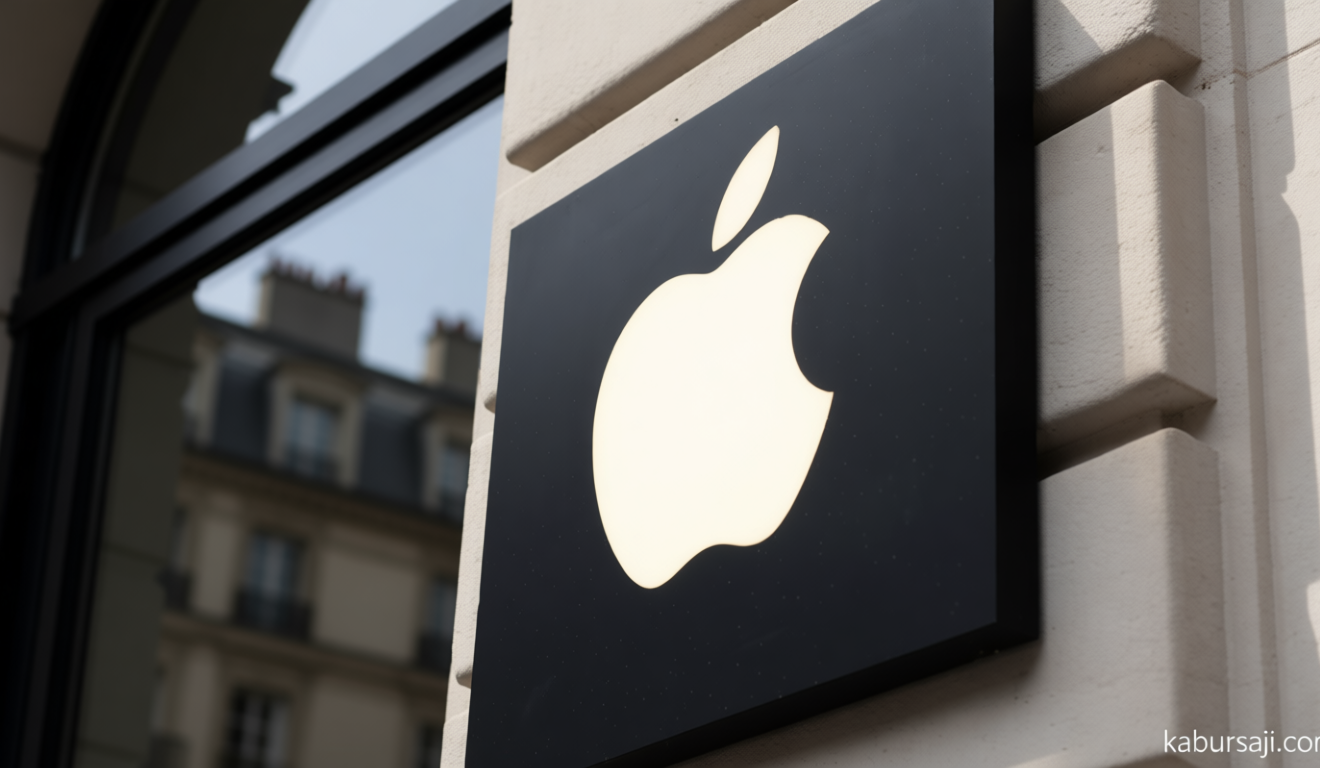
Apple Sues OpenAI Over Alleged Trade Secret Misappropriation
Apple Sues OpenAI over Stealing Trade – Apple has filed a lawsuit against OpenAI and two former employees, accusing them of stealing confidential information to aid the AI firm’s development of consumer hardware. The case, centered around the alleged misuse of trade secrets, highlights a growing concern over intellectual property theft in the competitive tech landscape. This legal action, which includes Apple’s claim that its ex-employees provided insider knowledge to OpenAI, aims to halt what the company describes as a systematic effort to undermine its technological edge. The lawsuit targets OpenAI Foundation, OpenAI Group PBC, and io Products, the startup co-founded by former Apple designer Jony Ive, suggesting a deeper conflict between the two entities.
Allegations of Insider Knowledge and Data Theft
The complaint outlines how the two employees—identified as a senior system electrical engineer and a former vice president of product design for iPhone and Apple Watch—used their access to Apple’s confidential data to benefit OpenAI. According to the filing, one defendant failed to return a work laptop, which was later used to exploit an authentication flaw and download dozens of hardware-related files. These files reportedly include detailed schematics and specifications for Apple’s products, which could provide OpenAI with critical insights into the company’s design and engineering processes. The other employee, meanwhile, is accused of sharing supplier details and internal industry information before resigning, further fueling Apple’s claims of deliberate data theft.
Apple’s legal team argues that the stolen information has given OpenAI a significant advantage in developing its own hardware, potentially leading to direct competition with Apple’s products. The complaint spans 41 pages, detailing a pattern of intellectual property misuse that Apple claims has weakened its competitive position in the market. By emphasizing the systematic nature of the alleged theft, the company aims to establish a precedent for protecting its proprietary technologies from external exploitation.
Collaboration Turned Competitive Threat
The lawsuit marks a shift in the relationship between Apple and OpenAI, which previously worked together to integrate AI features into Apple’s ecosystem. For instance, users were able to access ChatGPT results through Siri, and iPhone users could sign up for ChatGPT memberships directly from iOS settings. This collaboration was seen as mutually beneficial, with Apple providing OpenAI access to its hardware specifications and OpenAI offering advanced AI capabilities to enhance Apple’s user experience. However, the recent legal action suggests that the partnership has become a battleground over the boundaries of innovation and intellectual property rights.
OpenAI’s acquisition of io Products—a startup led by Jony Ive—has intensified Apple’s suspicions. The purchase of io Products, which focuses on hardware innovation, is now viewed by Apple as a strategic move to gain access to its proprietary designs. While OpenAI has not publicly disclosed the specifics of its hardware project, the company has described it as an initiative to explore new ways of interacting with AI beyond traditional products and interfaces. This ambition raises questions about how much of Apple’s knowledge was transferred during the collaboration and whether it was used to build competitive advantages for OpenAI.
Legal and Industry Implications of the Case
Apple’s lawsuit has sparked discussions about the legal frameworks governing trade secrets in the tech industry. By filing the case in a federal court in California, the company is leveraging the state’s reputation as a hub for technology innovation and legal precedent. The case may also serve as a warning to other AI firms looking to partner with or acquire tech companies, emphasizing the need for clear agreements on data usage and intellectual property rights. Industry experts have noted that such lawsuits are becoming more common as the boundaries between software and hardware development blur in the AI era.
OpenAI, a leading force in AI research, faces a significant challenge in defending its claims of fair use. The company has emphasized that the stolen information was shared through normal business interactions and that it had no intention of undermining Apple. However, Apple’s detailed allegations suggest a broader concern about the potential risks of relying on former employees for technical expertise. The case could set a new standard for how companies protect their trade secrets in an environment where AI is rapidly evolving and cross-industry collaborations are frequent.
The Role of Trade Secrets in Tech Innovation
Trade secrets are a cornerstone of competitive advantage in the technology sector, often valued as highly as patents or copyrights. For Apple, these secrets include everything from design blueprints to manufacturing processes, which are critical for maintaining its market dominance. By suing OpenAI, Apple is not only seeking to recover lost information but also to reinforce its position as a guardian of proprietary knowledge. This approach underscores the importance of trade secrets in safeguarding a company’s unique innovations against imitation.
The legal battle also highlights the increasing value of AI in hardware development. As companies like OpenAI expand into physical devices, the line between software and hardware becomes more defined, creating new opportunities for intellectual property disputes. Apple’s case may influence how other firms approach the integration of AI into their product lines, encouraging stricter protocols for data sharing and employee oversight. In an industry where technological breakthroughs can be swiftly replicated, protecting trade secrets is essential for sustaining long-term innovation.
Read: ChatGPT Creator to Launch ‘Strongest Model Yet’ After Delay Click here to get the latest news updates from Tempo on Google News