
A Fiscal Tool for Vital Projects
A Fiscal Tool for Vital Projects - In an effort to bolster economic growth and infrastructure development, the Indonesian government has introduced a fiscal
A Strategic Fiscal Tool for Vital Projects
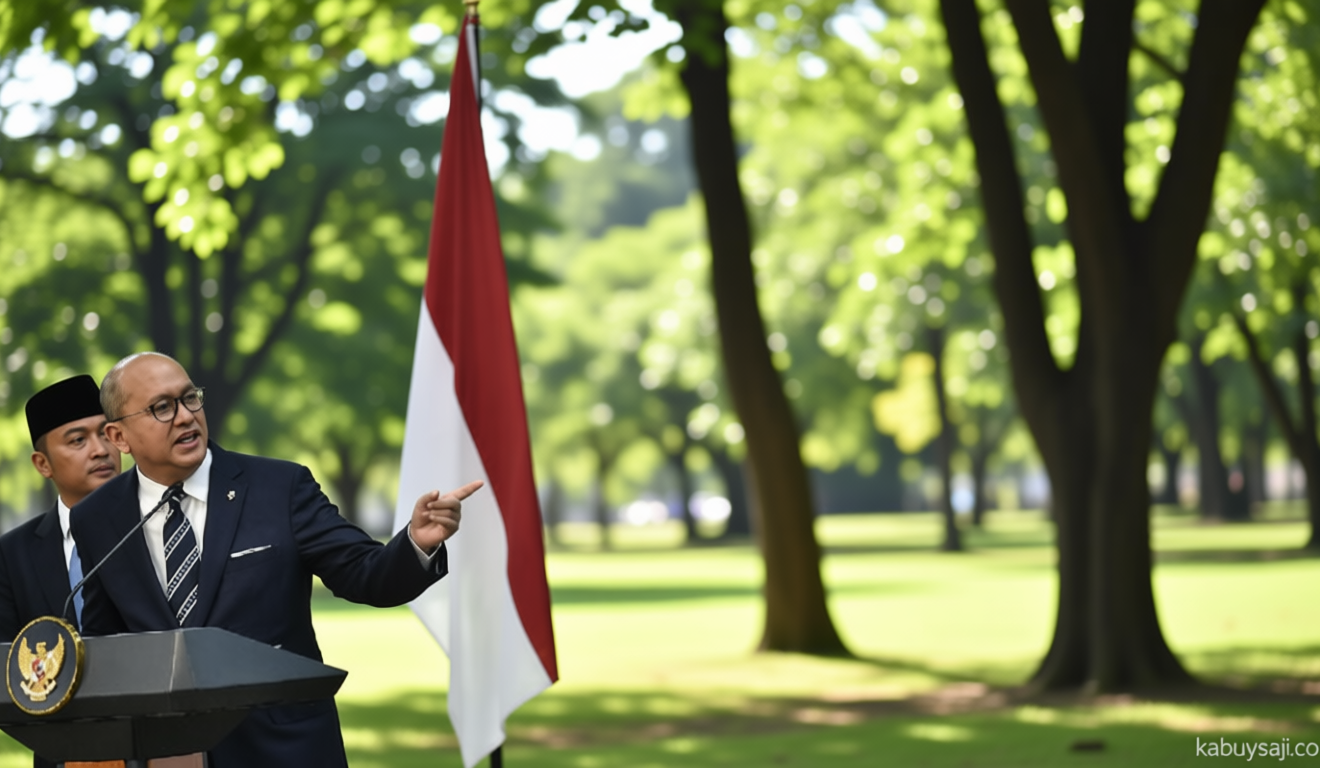
A Fiscal Tool for Vital Projects – In an effort to bolster economic growth and infrastructure development, the Indonesian government has introduced a fiscal tool designed to prioritize vital projects. This initiative, discussed at a recent meeting in Jakarta, aims to streamline funding mechanisms for critical national priorities. Agus Harimurti Yudhoyono, Coordinating Minister for Infrastructure and Regional Development, highlighted the importance of this tool during the gathering at Wisma Danantara, emphasizing its role in aligning financial resources with strategic objectives. The fiscal tool, known as the Danantara Development Management Fund (DDMF), has been positioned as a key partner in advancing projects that drive long-term economic progress.
Targeted Investment in Key Infrastructure
The DDMF is intended to act as a specialized fund for large-scale infrastructure projects, such as the construction of a massive sea wall along Java’s northern coastline, the revitalization of Trans-Sumatra, Trans-Kalimantan, and Trans-Sulawesi railway networks, and the development of three million residential units. These projects are central to improving regional connectivity, enhancing disaster resilience, and addressing housing shortages. By focusing on these vital initiatives, the fund seeks to create a sustainable framework for economic expansion while ensuring efficient capital allocation. Agus Yudhoyono reiterated that the tool would be instrumental in supporting the administration’s vision for infrastructure-driven development.
One of the primary advantages of this fiscal tool is its ability to consolidate funding from various sources, including state capital and private investors. Government Regulation No. 19/2026, which amended earlier rules governing Danantara’s structure, has laid the groundwork for this new mechanism. The regulation emphasizes the need for a centralized approach to managing public funds, allowing for greater flexibility in addressing urgent development needs. This shift is expected to reduce bureaucratic delays and ensure that resources are directed toward projects with the highest societal impact, particularly those aligned with President Prabowo Subianto’s agenda for national growth.
Regional Resilience and Economic Expansion
The focus on regional resilience is a cornerstone of the DDMF’s mandate. By investing in infrastructure that mitigates natural disasters and enhances transportation networks, the fund aims to create a more robust and interconnected economy. For example, the proposed sea wall project along Java’s northern coastline is expected to protect coastal communities from flooding and sea-level rise, while also serving as a catalyst for economic activity in the region. Similarly, the expansion of railway systems across Sumatra and Kalimantan is anticipated to improve logistics and reduce travel times, fostering industrial growth and tourism opportunities. These projects exemplify how a well-targeted fiscal tool can address both immediate challenges and long-term development goals.
Agus Yudhoyono further explained that the DDMF would operate under a transparent framework, ensuring accountability in public spending. The fund’s structure allows for collaborative efforts between the Danantara Investment Management Agency and other stakeholders, including local governments and private sector entities. This partnership model is designed to leverage expertise and resources, maximizing the effectiveness of each investment. By fostering a more integrated approach to funding, the tool is expected to accelerate the implementation of vital projects, particularly in underserved regions. The goal is to create a unified strategy that supports both national and regional priorities, ensuring equitable development across Indonesia.
Long-Term Vision and Sustainable Development
While the DDMF’s immediate focus is on infrastructure and housing, its long-term vision extends to sustainable development practices. Projects funded through this mechanism are required to incorporate environmental considerations, such as the use of renewable energy sources and eco-friendly construction materials. This approach aligns with Indonesia’s commitment to reducing carbon emissions and promoting green growth. The integration of sustainability into fiscal planning underscores the importance of balancing economic development with environmental stewardship, ensuring that vital projects contribute to both national progress and global climate goals.
The creation of the DDMF also reflects a broader shift in Indonesia’s economic strategy, emphasizing the need for strategic alliances in managing public funds. The Supervisory Board and Executive Board of Danantara have stressed that this tool will enable more precise targeting of investments, reducing waste and inefficiency. By consolidating resources under a single fund, the government aims to enhance its ability to respond to emerging challenges, such as urbanization and climate change. This approach not only strengthens the financial framework for vital projects but also ensures that future initiatives are aligned with national development priorities, fostering a more cohesive and impactful strategy.