
10 Hottest Temperatures Ever Recorded on Earth: Death Valley on Top
10 Hottest Temperatures Ever Recorded on Earth: Death Valley on Top 10 Hottest Temperatures Ever Recorded on Earth - As the planet continues to experience
10 Hottest Temperatures Ever Recorded on Earth: Death Valley on Top
10 Hottest Temperatures Ever Recorded on Earth – As the planet continues to experience increasingly intense heatwaves, the 10 hottest temperatures ever recorded on Earth serve as a stark reminder of the extremes our climate can reach. While seasonal changes have traditionally dictated extreme weather events, modern data reveals that such scorching conditions are becoming more frequent and severe. The World Meteorological Organization (WMO) maintains a comprehensive archive of climate extremes, which highlights that the highest recorded temperature was set in Death Valley, California, in 1913. This achievement not only underscores the region’s unique environmental conditions but also raises critical questions about the role of climate change in amplifying these records.
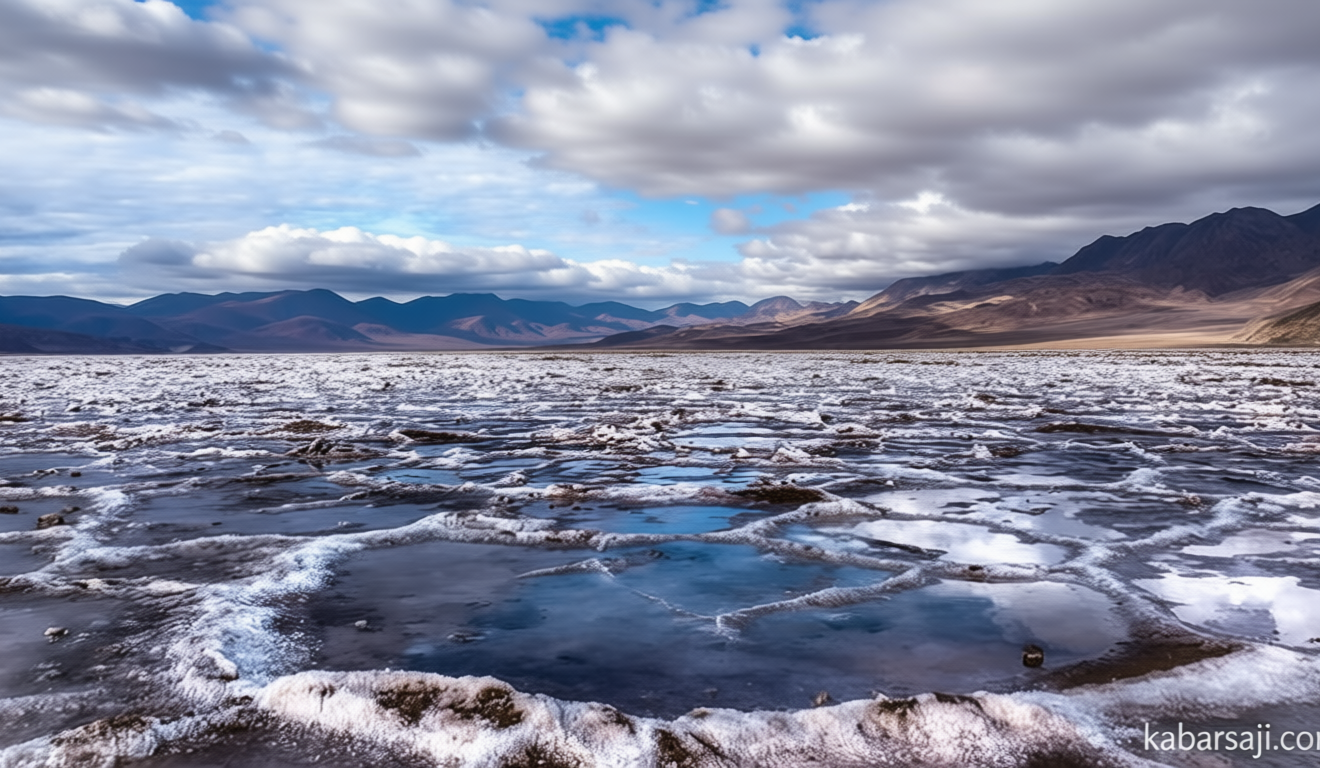
“Death Valley’s extreme heat is a result of its low elevation, arid environment, and the way surrounding mountains trap warm air,” notes Visual Capitalist. The valley’s geography creates a natural heat trap, where sunlight intensifies due to the surrounding rock formations and minimal vegetation. This phenomenon, combined with its location in a desert, contributes to its reputation as one of the hottest places on the planet.”
The 10 hottest temperatures ever recorded on Earth are not confined to a single region. While Death Valley holds the crown, the Middle East emerges as a significant player in this list. Countries such as Kuwait, Israel, Iraq, Iran, and the United Arab Emirates have all logged temperatures surpassing 50°C. These records are attributed to the region’s intense solar radiation, sparse rainfall, and long summer months, which create an environment conducive to extreme heat. Tunisia and Pakistan also feature prominently in the top 10, further illustrating the global nature of this phenomenon.
Geographical and Climatic Influences on Heat Records
Understanding the factors that contribute to these extreme temperatures is essential for interpreting the data. Death Valley, for instance, has consistently been a hotspot due to its unique topography. The valley’s low elevation and basin-like structure allow warm air to accumulate, creating a feedback loop that intensifies heat. Similarly, the Middle East’s heat records are influenced by its proximity to the sun, high solar irradiance, and the presence of desert climates that retain heat for extended periods. In Pakistan, the combination of high altitude and desert conditions in regions like Turbat leads to scorching temperatures, while Tunisia’s Kebii, recorded at 55°C in 1931, benefits from its location in a sun-baked desert with minimal cloud cover.
Recent decades have seen a noticeable shift in the 10 hottest temperatures ever recorded on Earth. The 2010s, in particular, contributed four of the top ten records, reflecting the growing impact of global warming. A striking example is the 2023 measurement in Turpan, China, where temperatures reached 52.2°C. This record is not isolated; during the same heatwave, the nearby Flaming Mountains hit an astonishing 80°C, according to The Independent. These findings suggest that even regions previously considered stable are now experiencing unprecedented thermal challenges.
The records span over a century, from 1913 to 2023, providing a long-term perspective on climate trends. While early records like Death Valley’s 56.7°C in 1913 were groundbreaking, modern measurements have pushed the boundaries of what was once thought possible. The 10 hottest temperatures ever recorded on Earth are not just isolated incidents but part of a broader pattern of rising global temperatures. Scientists warn that such extremes could become more common as greenhouse gas emissions continue to drive atmospheric heating. For example, the UAE’s Sweihan, which recorded 52.1°C in 2002, now appears more typical than it did a century ago, highlighting the accelerating pace of climate change.
Breaking Down the Top 10 Heat Records
The following list compiles the most extreme temperatures documented in meteorological history, offering a glimpse into the conditions that led to these milestones: 1. **Death Valley, US – 56.7°C (1913)**: This remains the official record for the highest temperature on Earth, a result of the valley’s unique microclimate and persistent drought. 2. **Kebii, Tunisia – 55°C (1931)**: Situated in the Sahara Desert, this location is renowned for its extreme heat, which is exacerbated by its position in a sun-drenched region with minimal cooling mechanisms. 3. **Mitribah, Kuwait – 54°C (2016)**: This record, set in the Arabian Desert, highlights the vulnerability of arid regions to rising temperatures. 4. **Tirat Zvi, Israel – 54°C (1942)**: A rare example of a heatwave in a Mediterranean climate, this record underscores the variability of extreme weather. 5. **Basra, Iraq – 53.9°C (2016)**: Iraq’s southern city, located near the Persian Gulf, experiences extreme heat due to its low humidity and exposure to direct sunlight. 6. **Turbat, Pakistan – 53.7°C (2017)**: This record reflects the growing heat in South Asia, where rising temperatures have been linked to both natural patterns and anthropogenic climate factors. 7. **Ahvaz Airport, Iran – 53.7°C (2017)**: Iran’s heat records are often tied to its desert regions, where high solar radiation and low vegetation create a natural oven effect. 8. **Turpan, China – 52.2°C (2023)**: This recent record in Xinjiang’s Turpan region demonstrates how quickly climate patterns are evolving, with temperatures now reaching levels previously unseen in many parts of the world. 9. **Sweihan, UAE – 52.1°C (2002)**: The UAE’s desert climate and urban heat island effects have made cities like Sweihan prime candidates for extreme heat records. 10. **San Luis Río Colorado, Mexico – 52°C (1966)**: This location, part of the Baja California desert, has long been a hub for extreme temperature measurements, showcasing the continent’s contribution to global heat records.
Implications of Extreme Heat for Global Climate
The 10 hottest temperatures ever recorded on Earth are not just scientific curiosities—they signal a growing trend in global climate patterns. Researchers emphasize that these records are part of a larger picture of rising temperatures, with some regions experiencing heatwaves that are both more frequent and more intense. The WMO’s data, which includes these records, is critical for tracking long-term climate change. For instance, the fact that four of the top ten records were set in the 2010s suggests a significant acceleration in warming, potentially linked to increased carbon emissions and reduced global cooling mechanisms. Additionally, these measurements provide valuable insights into the resilience of ecosystems, human health, and infrastructure in the face of extreme heat.