UN Warning Signals a Shift From Water Crisis to Lasting Scarcity
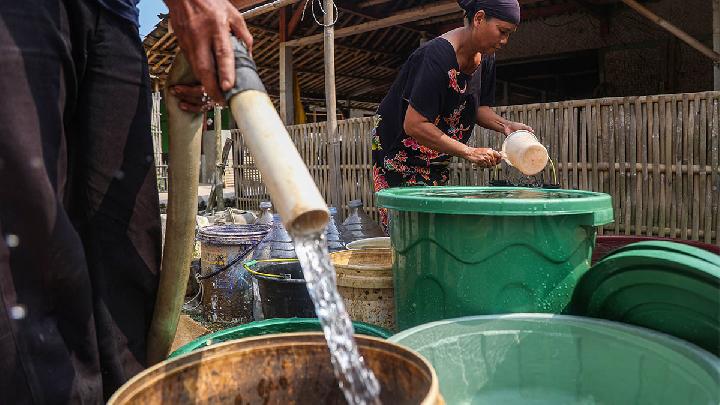
Kabarsaji.com – The world is moving into an era of “global water bankruptcy,” a condition in which water supplies and the ecosystems that support them have been damaged so extensively that a return to past conditions may no longer be realistic.
Mohamad Safa, Permanent Representative of Patriotic Vision (PVA) to the United Nations, issued the warning on Thursday in a message posted on X. He said the consequences could soon be felt in ordinary activities that depend on reliable access to clean water, including drinking, preparing food, bathing, washing dishes and doing laundry.
“You will pay for it. And those who can’t pay won’t survive,” he wrote.
The warning reflects a broader concern that freshwater scarcity is no longer only a temporary emergency in isolated regions. A United Nations report released on January 20 described mounting pressure on water systems worldwide and argued that many can no longer be expected to recover to their historical state.
What “Water Bankruptcy” Means
Water bankruptcy describes a situation in which water is extracted or contaminated beyond sustainable levels, while damage to lakes, wetlands and other ecosystems makes restoration difficult or impossible. The term goes beyond the idea of a short-term drought or seasonal shortage. It points to a more persistent loss of the natural systems that store, filter and replenish water.
In practical terms, healthy lakes, rivers, wetlands, soils and groundwater reserves help maintain supplies for households, farms, industry and ecosystems. When these systems are depleted or polluted over a long period, communities may face increasingly limited choices: use less water, find more expensive sources, or compete for what remains.
The UN assessment shows the scale of the decline. More than half of the world’s large lakes have shrunk since the early 1990s. Natural wetlands have also suffered significant losses, with roughly 35 percent disappearing since 1970. Wetlands are especially important because they can store water, support biodiversity and help regulate water flows.
Nearly three-quarters of the global population now live in countries considered water-insecure or critically water-insecure. That classification underscores how water stress is becoming a major concern not only for dry regions, but also for places where demand, pollution, changing weather patterns and weakened ecosystems are placing growing pressure on supplies.
Who Bears the Greatest Burden
Water scarcity does not affect all people equally. The UN has highlighted the unequal impact on smallholder farmers, Indigenous Peoples, low-income urban communities, women and young people. These groups may have fewer financial resources, less political influence and less access to infrastructure that can cushion the effects of shortages.
For farming households, unreliable water can threaten crops, livestock and income. In cities, residents with limited means may be more exposed to interruptions in public supply or higher costs for clean water. Women and young people can also be disproportionately affected where families must devote more time and effort to securing water for daily needs.
The benefits of unsustainable water use, meanwhile, have often flowed to more powerful actors. This imbalance is central to the warning: a resource essential to life can become harder to reach for those with the least ability to pay when supplies are overused or poorly protected.
Concerns Over Data Center Water Use
Safa also drew attention to the water demands associated with data centers. Many facilities use water-based cooling systems, which can be less expensive than alternative approaches. As digital services and artificial intelligence infrastructure expand, the relationship between technology growth, electricity demand and water use is receiving increased scrutiny.
“Water should be for people before profits,” he added.
The issue is not simply whether technology should operate, but how essential resources are managed when demand rises. Water used for cooling must be considered alongside the needs of households, agriculture, public health and ecosystems, particularly in areas already facing water stress.
Greater transparency around water consumption, stronger efficiency measures and careful site planning can help communities understand the trade-offs involved. The broader challenge is ensuring that decisions about infrastructure do not deepen existing shortages or shift the costs onto people who are already vulnerable.
A Call for Long-Term Recovery
The UN’s warning does not frame water bankruptcy as a reason to abandon action. Instead, it calls for a change in how governments, businesses and communities respond. Treating every shortage as a temporary crisis can delay the longer-term work needed to protect remaining supplies and restore damaged systems where recovery is still possible.
That approach includes safeguarding water resources that remain healthy, limiting unsustainable withdrawals, reducing pollution and designing policies around current hydrological conditions rather than expectations based on the past. It also means recognizing that some water systems may not return to earlier levels, making prevention and careful allocation increasingly important.
For readers, the message is that water security is closely connected to everyday life. Clean water supports food production, sanitation, health, energy systems and local economies. Its availability can appear guaranteed until shortages expose the fragility of the systems behind a tap or a household water connection.
The emerging reality described by the UN is one of difficult choices, but it also reinforces the value of early action. Protecting lakes, wetlands, groundwater and other water sources before they cross irreversible thresholds may be among the most important steps societies can take to preserve access to water in the years ahead.
Related Reading
Frequently Asked Questions
What is UN Representative Warns?
UN Representative Warns is the main topic of this guide. The article explains the context, practical details, and next steps readers should understand.
Why does UN Representative Warns matter?
UN Representative Warns matters because readers are looking for a useful answer, not just a short summary. Good content should match search intent and help them decide what to do next.