
Indonesia Halts Free Meals for Toddlers, Mothers During School Break
chool Break Indonesia Halts Free Meals for Toddlers — a significant shift in the nation’s nutrition program — has sparked widespread discussion among
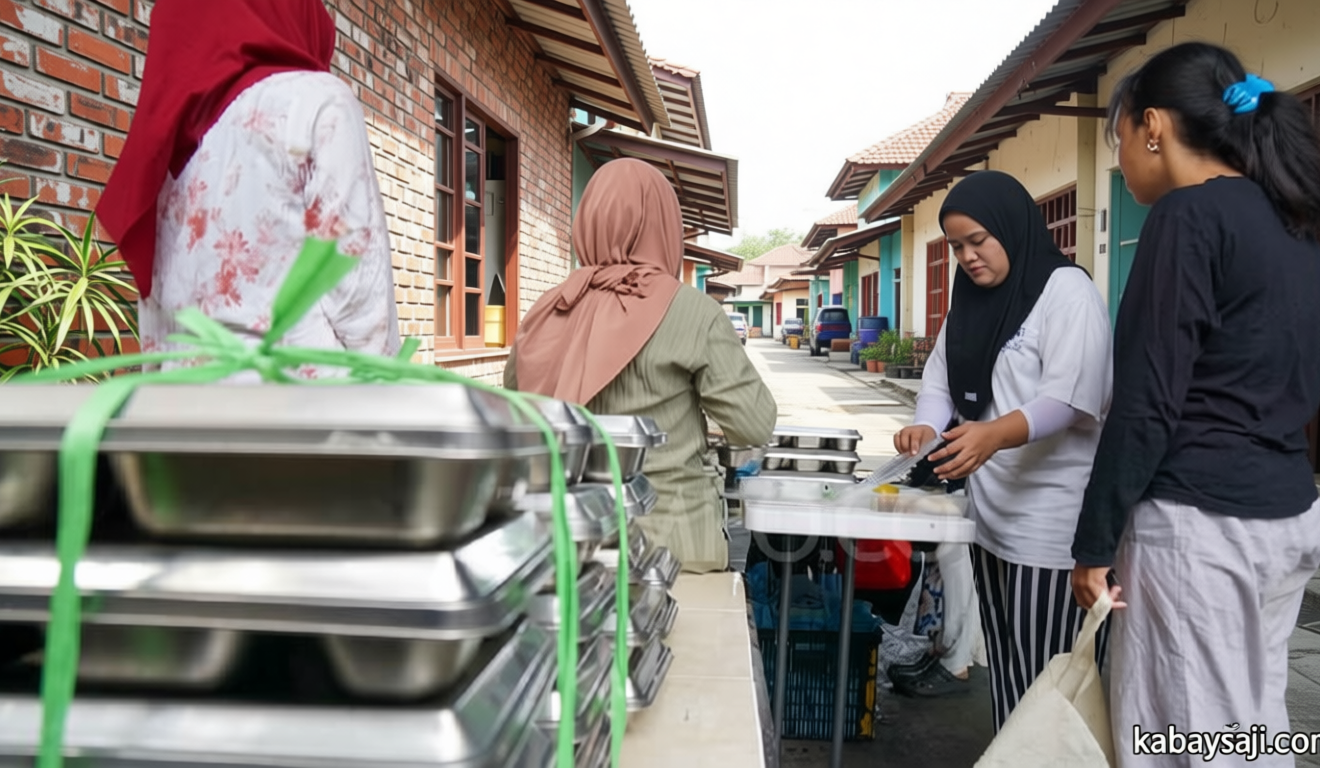
Indonesia Halts Free Meals for Toddlers, Mothers During School Break
Indonesia Halts Free Meals for Toddlers — a significant shift in the nation’s nutrition program — has sparked widespread discussion among policymakers, parents, and public health advocates. The National Nutrition Agency of Indonesia (BGN) recently announced the suspension of free nutritious meals (MBG) for toddlers, breastfeeding mothers, and pregnant women during school breaks. This decision, outlined in BGN Circular Letter No. 12 of 2026, applies to all non-operational school periods, including national holidays, religious festivals, local holidays, and weekends. The policy aims to address inefficiencies in resource allocation and streamline administrative processes during times of reduced demand. As the implementation date approaches, the focus keyword Indonesia Halts Free Meals for Toddlers remains central to understanding the impact of this change.
Policy Shift Affects 3B Group Beneficiaries
The revised guidelines explicitly exclude the 3B group—breastfeeding mothers, pregnant women, and toddlers—from receiving MBG during school holidays. Agustina Arumsari, the BGN deputy head and spokesperson, stated on Thursday, June 18, that the adjustment ensures consistent operational management and maximizes the use of resources. “This policy change aligns with the broader goal of making the nutrition program more sustainable,” she explained. The decision also reflects the government’s efforts to adapt to the evolving needs of its citizens, particularly in the face of changing school schedules and economic pressures.
“Yes, for the 3B group, the calculation applies to both students and non-students,” Arum clarified. “They are categorized as non-student beneficiaries of MBG, which means their meals are not tied to the school calendar.” This classification means that while students receive MBG through school programs, the 3B group must now seek alternative sources for their nutritional needs. Arum emphasized that the circular was introduced to reduce waste during periods of low utilization, ensuring that subsidies are allocated efficiently to those who require them most.
Implications for Nutrition Programs
The suspension of free meals for toddlers, mothers, and pregnant women during school breaks has raised concerns about the accessibility of essential nutrition for vulnerable groups. Previously, the MBG program provided daily meals to the 3B group, with a subsidy of Rp6 million per day for each beneficiary. This funding supported over 300,000 families, many of whom rely on these meals to meet dietary requirements, especially in low-income areas. Under the new policy, SPPGs (nutrition fulfillment service units) will no longer receive this daily subsidy, which could affect the availability and affordability of meals for these groups.
The change comes amid a broader review of the MBG program’s effectiveness. Officials argue that the previous model, which distributed meals regardless of school operations, led to financial strain and logistical challenges. For example, during national holidays, the program faced a 40% drop in demand, with only 60% of beneficiaries participating in meal distribution. By aligning the MBG program with school schedules, the government aims to create a more predictable and scalable system. However, critics warn that this shift may disproportionately impact families who depend on these meals for their children’s development and health.
Public and Stakeholder Reactions
Since the announcement, public and stakeholder reactions have been mixed. While some support the policy for its efficiency, others, including nutrition experts and community leaders, have raised concerns about the well-being of the 3B group. “Indonesia Halts Free Meals for Toddlers during school breaks could leave many families without access to crucial nutrition,” said Dr. Rina Wijaya, a pediatrician at the Jakarta Nutrition Research Institute. She highlighted that toddlers, in particular, require regular meals to support their growth, and the absence of MBG during school breaks may lead to dietary gaps.
SPPG partners have also voiced their concerns. “The change might create a burden for us, as we need to adjust our distribution strategies,” said one partner. “But we understand the BGN’s goal of improving resource management.” Despite these challenges, the government remains committed to the policy, stating that it will continue to monitor the situation and consider adjustments if needed. The school break, which runs from June 22 to July 13, 2026, will serve as a test period to evaluate the effectiveness of the new approach.
As the school break approaches, the focus keyword Indonesia Halts Free Meals for Toddlers becomes even more relevant. Parents are being urged to prepare for the change, with some expressing frustration over the timing. “Many families rely on these meals, and halting them during school breaks creates uncertainty,” said one parent. To mitigate the impact, the government has proposed temporary meal distribution centers in selected regions, though the scope and availability of these centers are yet to be fully detailed. The success of this policy will depend on how well these alternatives meet the needs of the 3B group.
Public health experts are also calling for a balanced approach. “While efficiency is important, we must ensure that the nutritional needs of toddlers and their caregivers are not overlooked,” said another nutritionist. They argue that the MBG program’s discontinuation during school breaks could be a temporary measure, with long-term plans to integrate more flexible options for non-student beneficiaries. The BGN has not yet provided a timeline for potential resumption, but it has emphasized that the decision is part of an ongoing effort to refine the program’s structure. As Indonesia Halts Free Meals for Toddlers during school breaks, the government will need to address both the logistical and social challenges arising from this policy shift.
Overall, the new policy represents a strategic reorientation of Indonesia’s nutrition program. By focusing on resource efficiency during school breaks, the BGN aims to create a more sustainable model. However, the impact on the 3B group—particularly toddlers—remains a critical concern. The decision to halt free meals for this demographic during school breaks is likely to shape discussions on how to balance operational efficiency with nutritional equity in the coming months. As the program adapts to this change, the focus keyword Indonesia Halts Free Meals for Toddlers will continue to drive conversations about its broader implications for public health and policy in Indonesia.