Ex-Ombudsman Chief Hery Susanto Indicted in Nickel Graft Case
Ex-Ombudsman Chief Hery Susanto Indicted in Nickel Graft Case Jakarta, June 25, 2026 Ex Ombudsman Chief Hery Susanto Indicted - The former head of Indonesia's
Ex-Ombudsman Chief Hery Susanto Indicted in Nickel Graft Case
Jakarta, June 25, 2026
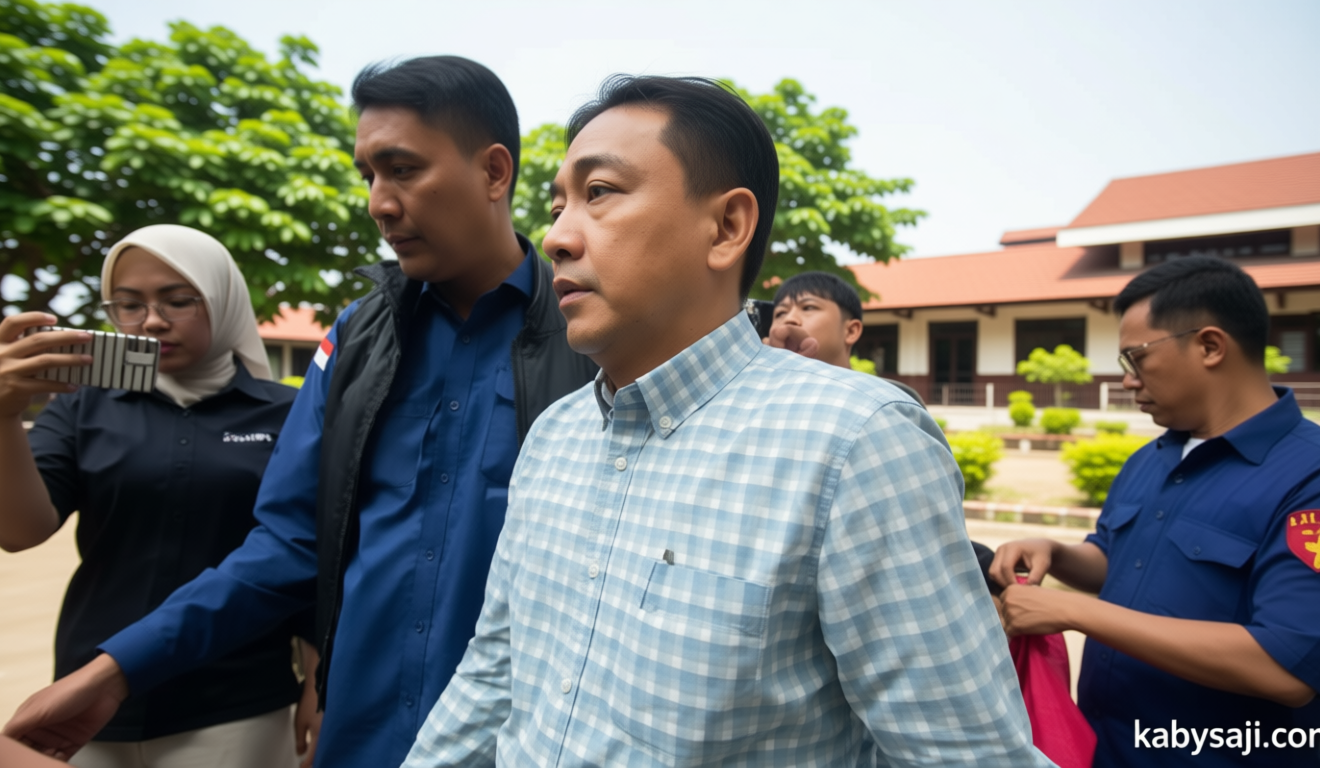
Ex Ombudsman Chief Hery Susanto Indicted – The former head of Indonesia’s Ombudsman, Hery Susanto, has been indicted for alleged corruption linked to nickel mining oversight, marking a significant development in the ongoing fight against graft in the country’s natural resource sector. The case, which spans the 2013-2025 period, centers on the ex-ombudsman chief’s role in approving administrative decisions that allegedly benefited nickel-related interests. Prosecutors accuse Hery of receiving bribes totaling Rp4.85 billion, which were used to influence his rulings on reports concerning non-tax state revenues from forest area permits. The indictment highlights how his position within the Ombudsman, an institution tasked with investigating government misconduct, was exploited to ensure favorable outcomes for key players in the nickel industry.
Background on the Nickel Mining Industry
Nickel mining in Indonesia has long been a focal point of corruption scandals, with the sector contributing significantly to the nation’s economy while also drawing scrutiny for its environmental and financial impacts. The country is the world’s largest producer of nickel, a critical raw material for industries such as stainless steel and battery manufacturing. However, the rapid expansion of mining operations has often been accompanied by opaque regulatory processes and allegations of political influence. Hery Susanto’s involvement in this case underscores how oversight mechanisms, designed to hold officials accountable, can themselves become targets of systemic corruption. The nickel graft investigation is part of a broader effort to address malfeasance in the sector, where state revenues and permits have been central to the controversy.
Details of the Corruption Allegations
According to the indictment, Hery Susanto is accused of accepting bribes from two prominent companies, PT Toshida Indonesia and PT Dinamika Sejahtera Mandiri, to influence his decisions on administrative matters related to nickel mining. The alleged payments were made to ensure that reports and evaluations concerning the industry’s compliance with environmental and financial regulations were skewed in favor of the companies’ interests. Prosecutors claim that the bribes were offered during Hery’s tenure as the chief of the Ombudsman, a role that granted him authority to investigate and recommend actions against public officials. The case also involves PT Mitra Kumala Energi and PT Gold Talenta Nala Raya, which are said to have benefited from his endorsement of flawed approvals for mining license upgrades. This suggests a pattern of leveraging his position to secure undue advantages for private entities.
“The prosecution asserts that these bribes were strategically presented to Hery to secure his support in administrative processes that directly impacted the nickel sector’s regulatory landscape,” stated the legal team during proceedings at the Central Jakarta Corruption Court. The court hearing revealed that Hery received the funds through intermediaries, including Lukman Malanuang and Edi Sugandi, who allegedly acted as middlemen to facilitate the transactions. Additionally, the case includes allegations that Hery acquired a property in Pulo Gebang Permai, Cakung, East Jakarta, valued at Rp2.2 billion, from Agung Winarno, a figure tied to the industry. This asset acquisition is seen as a key piece of evidence in the case, linking his personal gains to his professional decisions.
The indictment further details how Hery Susanto’s actions may have compromised the integrity of the Ombudsman’s investigations. By endorsing administrative missteps in reports, he is believed to have created a pathway for nickel companies to bypass stricter scrutiny of their operations. Prosecutors argue that this system of bribes not only enabled financial gains for the accused but also perpetuated a cycle of impunity for those involved in the sector. The legal framework underpinning the case includes violations of Article 5 of the Corruption Law, which penalizes the acceptance of bribes to influence official decisions, as well as breaches of Ombudsman Law No. 37 of 2008, which governs the conduct of ombudsman officials. These charges underscore the dual responsibility of Hery as both a watchdog and a potential beneficiary of the graft.
Public Reaction and Political Implications
The indictment has sparked mixed reactions among the public and political stakeholders. While some view it as a necessary step to hold high-ranking officials accountable, others argue that it reflects a broader effort to target influential figures in the nickel industry. Hery Susanto’s case comes amid a wave of corruption cases in Indonesia, where the government has intensified its efforts to clean up the natural resources sector. His previous role as the Ombudsman chief added to his public profile, making this case a symbol of the challenges faced by institutions meant to enforce transparency. Critics of the Ombudsman have long pointed to its perceived lack of independence, and this indictment may further fuel debates about the agency’s effectiveness in rooting out corruption.
As the case progresses, it will be closely watched for its potential to set a precedent in the prosecution of officials within the Ombudsman. The Central Jakarta Corruption Court is expected to proceed with further hearings to determine the evidence against Hery Susanto, with the possibility of a conviction that could lead to significant penalties. The case also highlights the interconnectedness of the judiciary, regulatory bodies, and private interests in Indonesia’s nickel sector, raising questions about the transparency of the legal process. If Hery is found guilty, it could serve as a deterrent for other officials who may have engaged in similar practices, reinforcing the importance of accountability in governance.
Conclusion and Ongoing Investigations
Hery Susanto’s indictment represents a pivotal moment in the ongoing investigations into nickel-related corruption. As the ex-ombudsman chief, his decisions have had a lasting impact on how the sector is regulated and how public trust in oversight institutions is maintained. The case also serves as a reminder of the complex web of relationships that can exist between officials and private entities, particularly in industries with high economic stakes. With the evidence presented so far, prosecutors are building a case that could result in Hery being held responsible for his alleged misconduct. As the legal proceedings continue, the outcome may have far-reaching implications for the future of the Ombudsman and the broader fight against corruption in Indonesia’s resource-rich regions.