
Blok M Set to Become Jakarta’s Pilot Low-Emission Zone
Zone Pilot Blok M Set to Become Jakarta - On June 24, 2026, Jakarta's Provincial Government received a proposal to designate Blok M as the initial test site
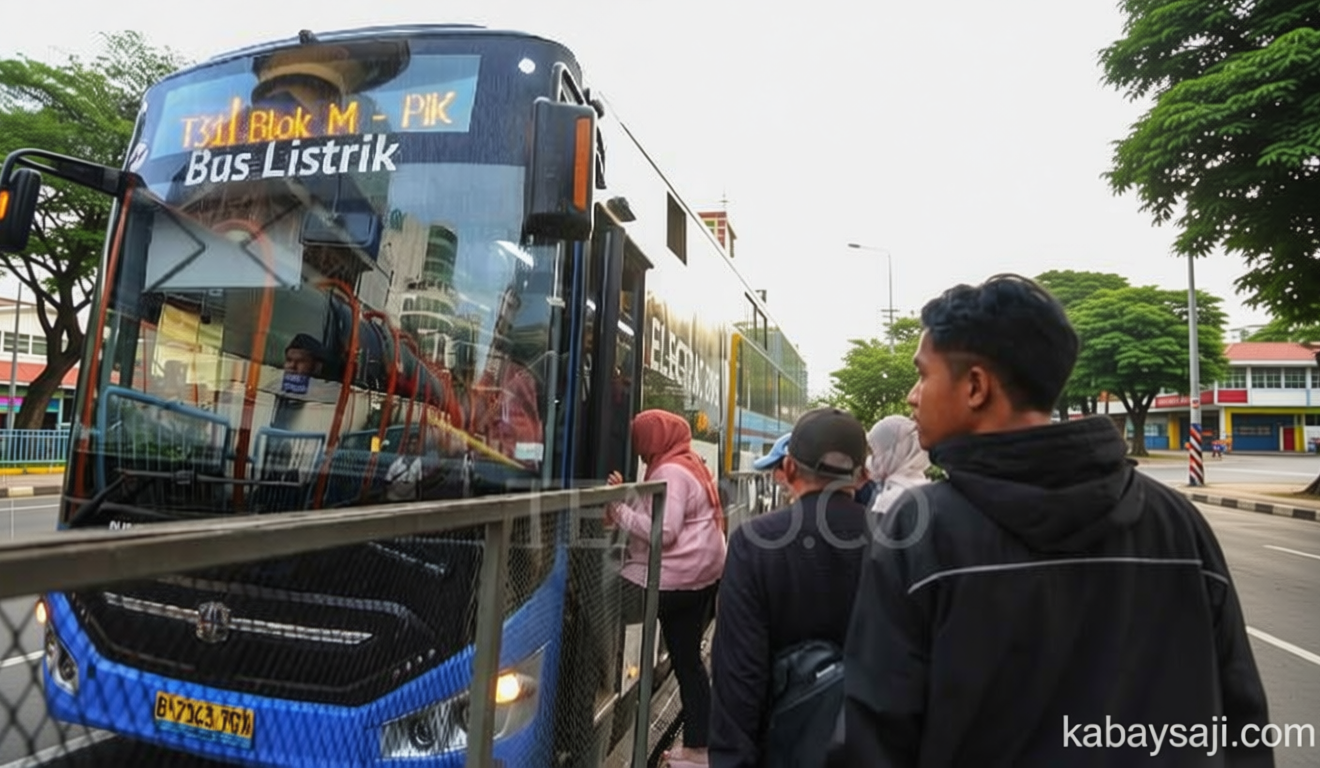
Blok M Designated as Jakarta’s First Low-Emission Zone Pilot
Blok M Set to Become Jakarta – On June 24, 2026, Jakarta’s Provincial Government received a proposal to designate Blok M as the initial test site for the city’s Low Emission Zone initiative. This area, situated in the southern part of the city, was highlighted for its potential to support phased policy implementation, including its well-connected public transit system, vibrant economic activity, and varied land-use patterns.
Strategic Approach for Cleaner Air
The selection of Blok M was announced during the release of the report titled “Integrated Low Emission Zone in Jakarta: From Ambition to Action.” Submitted by Breathe Cities to the Provincial Government, the report outlines a data-driven strategy for reducing emissions, factoring in public preparedness and local infrastructure.
“Clean air is an essential right for every citizen,” stated Dudi Gardesi, head of Jakarta’s Environmental Agency. “We aim to transform aspirations into measurable progress through enhanced governance, clear guidelines, and cooperation across sectors, ensuring residents experience improved air quality.”
Challenges and Collaborative Solutions
Dudi noted Jakarta’s ongoing struggle with elevated air pollution levels, particularly from vehicles. The Low Emission Zone is positioned as a pivotal step toward sustainable urban development and health protection. To ensure success, the government is drafting regulations that will streamline implementation, foster transparency, and guarantee accountability.
Vivian Pun, regional lead of Breathe Cities Southeast Asia, praised Jakarta’s dedication. She emphasized the need for policies that are both bold and fair, addressing disparities in air quality impact. “This report demonstrates how ambitious yet inclusive measures can cut pollution while offering equitable urban benefits,” she added.
Environmental and Economic Impact
According to the analysis, the transportation sector contributes significantly to Jakarta’s air pollution. The proposed Low Emission Zone framework could lower PM2.5 levels by over 14.3% in key zones, with the GBK-Senayan area projected to see a 20.7% reduction. These improvements are expected to yield annual health benefits valued at approximately Rp1.9 trillion, covering lower medical expenses, reduced pollution exposure, and decreased risk of early deaths from air-related illnesses.
Broader Policy Implications
While vehicle restrictions are part of the plan, the government clarified that the Low Emission Zone extends beyond this. Success hinges on expanding public mobility options—such as improving transit networks, integrating different transport modes, and enhancing pedestrian access. Community engagement is also critical to ensure public support and collective participation in the program.