
Tin Mining’s Curse in Mapur
Curse in Mapur: Environmental and Social Impacts Tin Mining s Curse in Mapur - Mapur village, nestled in the Riau Silip subdistrict of Bangka Regency, has
Tin Mining’s Curse in Mapur: Environmental and Social Impacts
Tin Mining s Curse in Mapur – Mapur village, nestled in the Riau Silip subdistrict of Bangka Regency, has long been shaped by the shadow of tin mining. The industry, once a source of pride and economic stability, now casts a curse over the community. Edo Martono, a 30-year-old resident, recalls a time when the village was rich in biodiversity and untouched by industrialization. “We used to hunt mousedeer, which we call pelanduk or kancil, for food and trade,” he said during a visit to the village on May 20, 2026. Today, the natural landscapes that sustained his family for generations have been replaced by pits and machinery, marking a stark transformation in Mapur’s way of life.
The Decline of Forests and Biodiversity
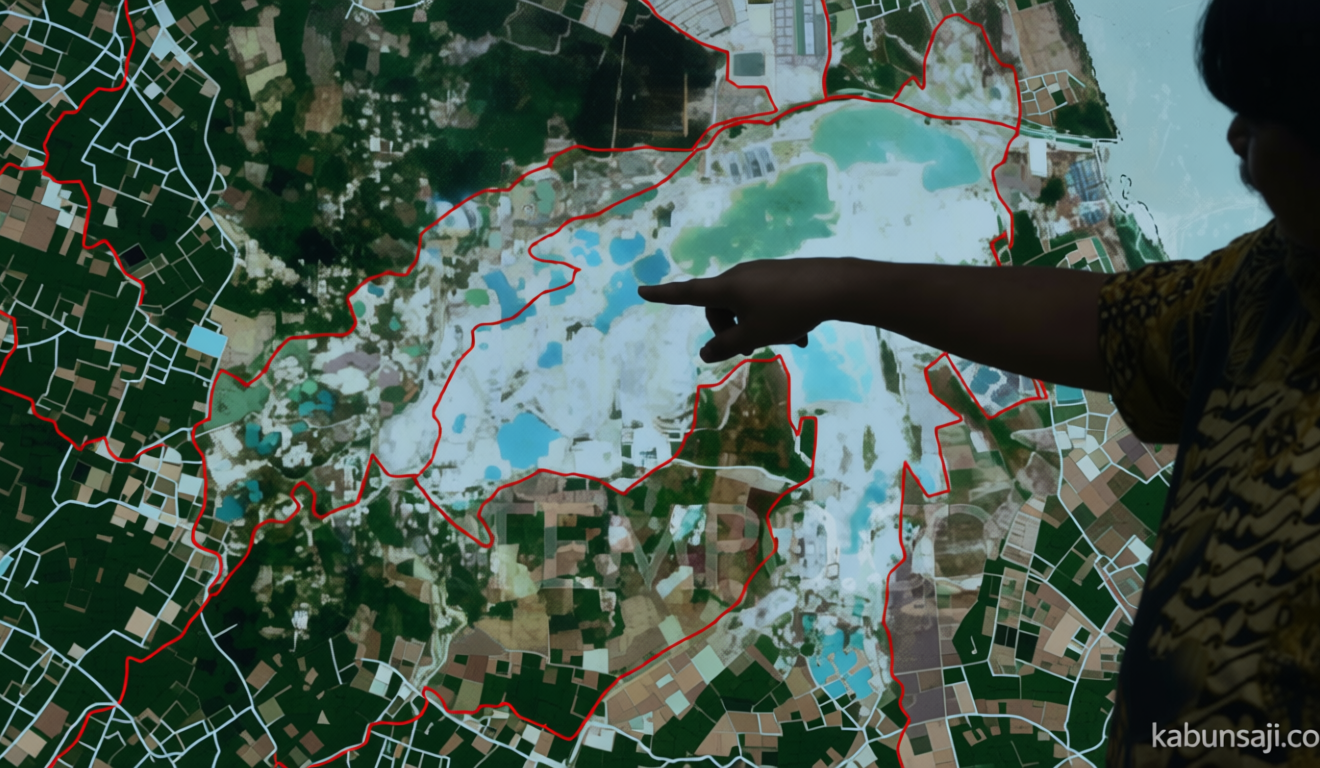
Mapur village, once a verdant expanse covering 7,900 hectares, has undergone a dramatic environmental shift. According to data from MapBiomas Indonesia, a land-cover monitoring initiative by the Auriga Nusantara Foundation, forests accounted for a quarter of the area in the early 1990s. By 2024, this had shrunk to just 660 hectares, with most of the remaining land now dedicated to mining operations and oil palm plantations. The encroachment of tin mining has not only altered the physical landscape but also disrupted the delicate balance of local ecosystems, endangering species like the mousedeer that once thrived in abundance.
Residents like Edo have witnessed firsthand the consequences of this transformation. The traditional practice of hunting mousedeer, which followed strict customs to ensure sustainability, has been rendered obsolete. “Before vanishing from our lands, we hunted them with care,” Edo explained. “We used techniques like mengukur badan, or ‘measuring the body,’ to determine how much to take. The traps we set were called perpas, and they were designed to minimize harm to the forest.” Now, these methods are a distant memory, replaced by mechanized extraction that leaves little room for nature to recover.
Community Struggles and Economic Shifts
The economic reliance on tin mining has created a paradox for Mapur’s residents. While the industry initially brought jobs and income, it has also sown seeds of dependency and vulnerability. For years, the village’s economy depended on the exploitation of its mineral resources, with families earning wages from mines and processing plants. However, as the industry expanded, so did its environmental footprint, leading to soil erosion, water contamination, and loss of fertile land. “We used to grow rice and vegetables, but now the soil is too degraded,” said Edo, highlighting the struggle to maintain livelihoods in the face of industrial encroachment.
Community leaders and activists have raised concerns about the long-term effects of tin mining. “The village’s identity is tied to its forests and wildlife, which are being destroyed at an alarming rate,” said a local environmentalist, noting that the loss of biodiversity has also impacted cultural practices. The traditional reliance on natural resources for food, medicine, and rituals is fading, as the community is forced to adapt to a new reality dominated by extraction and commodity trade. This shift has sparked debates about the sustainability of the current model and the need for stricter regulations to protect both the environment and the people who depend on it.
Broader Implications for Indonesia’s Environment
The story of Mapur is emblematic of a larger trend across Indonesia, where tin mining has contributed to deforestation and ecological degradation. The country’s mineral-rich regions, including Bangka Belitung Islands, have become focal points for extractive industries, often at the expense of local ecosystems. Tin mining, in particular, has been linked to the destruction of tropical forests, which serve as critical habitats for countless species. According to the Indonesian Ministry of Environment and Forestry, the industry has been responsible for clearing over 1.2 million hectares of forest since the 1990s, with Mapur being one of many villages affected.
Environmental experts warn that the loss of forest cover in Mapur has far-reaching consequences. Deforestation not only reduces carbon sequestration but also disrupts water cycles and increases the risk of landslides. The same practices that have led to the decline of mousedeer populations have also displaced other wildlife, such as the endemic species found in the region’s forests. “Tin mining’s curse is not just about losing trees—it’s about losing the interconnectedness of life in this area,” said Dr. Maya Suryadi, a conservation scientist studying the impact of mining on Bangka’s biodiversity. “The village is a microcosm of the challenges facing Indonesia’s natural heritage.”
Efforts to mitigate the damage have been limited, with local authorities often prioritizing economic growth over environmental protection. While some reforestation projects have been initiated, they are frequently overshadowed by the scale of mining operations. “We need stronger policies to limit the expansion of tin mining and restore the land,” Edo emphasized. His words reflect the growing urgency among residents to address the environmental and social costs of the industry. As the demand for tin continues to rise, the fate of Mapur and similar communities will depend on whether sustainable practices can be adopted before the curse becomes irreversible.
Preserving the Past in a Changing Present
Despite the challenges, some villagers are determined to preserve their heritage. Efforts to document traditional practices, such as the use of perpas traps and mengukur badan techniques, have gained momentum among younger generations. “Our ancestors left us knowledge that we must not forget,” said a local teacher, who organizes workshops to teach children about the village’s ecological history. These initiatives, while small, represent a hope to reconnect the community with its roots before they are entirely erased by industrialization.
Meanwhile, the broader implications of tin mining’s curse extend beyond Mapur. As Indonesia’s tin reserves dwindle, the pressure to extract more from already exploited areas intensifies. This cycle of exploitation threatens to accelerate deforestation and biodiversity loss, with consequences for climate change and global supply chains. Tin mining, once a symbol of progress, now stands as a cautionary tale of environmental degradation and cultural erosion. The challenge lies in balancing economic development with the preservation of natural resources, ensuring that the curse does not define the future of communities like Mapur for generations to come.