
Iran, Oman Establish Joint Committee on Strait of Hormuz
Iran, Oman Establish Joint Committee on Strait of Hormuz Iran Oman Establish Joint Committee on Strait - Iran and Oman have taken a significant step toward
Iran, Oman Establish Joint Committee on Strait of Hormuz
Iran Oman Establish Joint Committee on Strait – Iran and Oman have taken a significant step toward enhancing maritime security cooperation by forming a joint committee to address strategic concerns surrounding the Strait of Hormuz, a critical waterway for global oil trade. This collaboration, announced by Iranian Parliament Speaker Mohammad Bagher Ghalibaf during a recent diplomatic visit to Muscat, marks a pivotal moment in bilateral relations and underscores the shared interest of both nations in safeguarding the region’s vital shipping lanes. The agreement, which includes detailed provisions outlined in a mutual statement, aims to foster dialogue and coordinate efforts to mitigate risks such as piracy, terrorism, and geopolitical tensions that threaten the strait’s operational integrity.
The Strategic Importance of the Strait of Hormuz
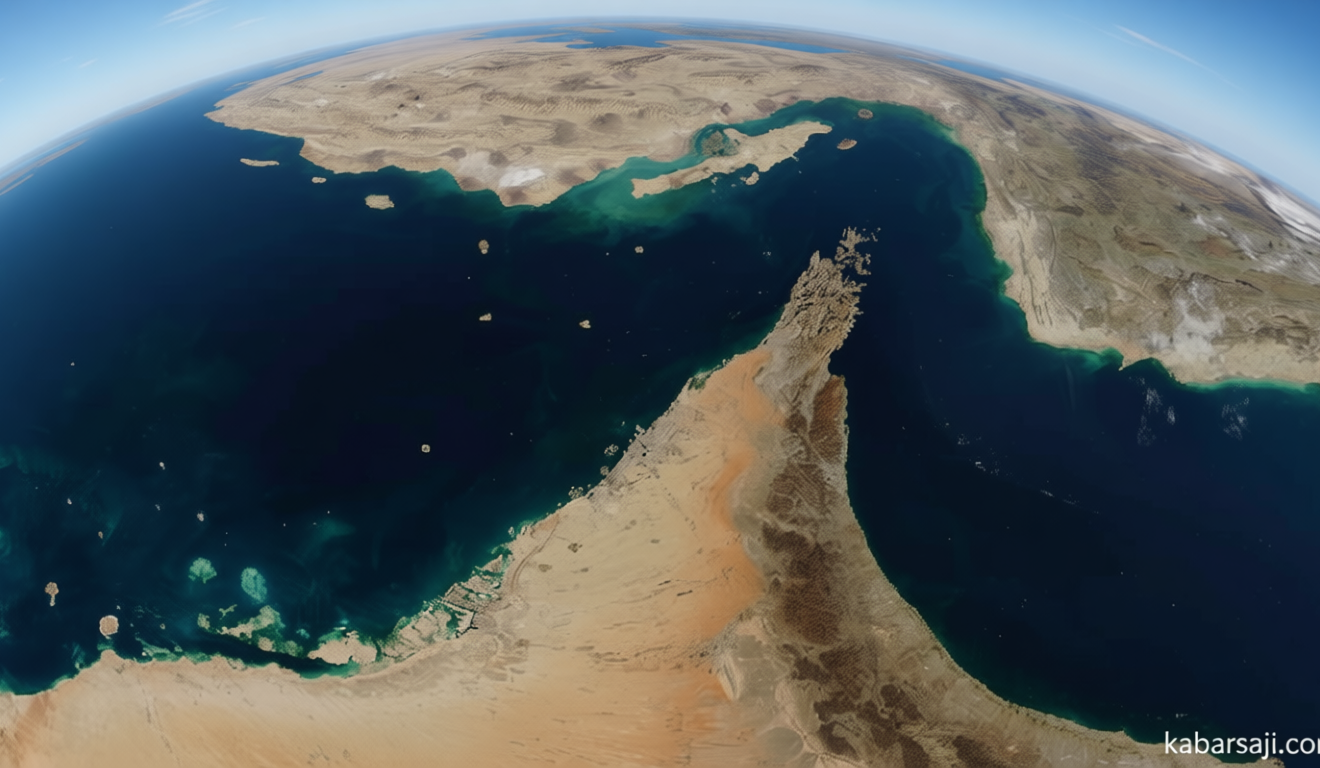
Located between the Persian Gulf and the Arabian Sea, the Strait of Hormuz serves as a crucial chokepoint for international energy security, with over 20% of the world’s oil supply passing through it daily. Its strategic value has made it a focal point of global geopolitics, particularly in the context of Iran’s influence over regional waters and the U.S.’s military presence in the area. Oman, situated on the eastern side of the strait, has long positioned itself as a neutral mediator in conflicts involving Iran and the Gulf Cooperation Council (GCC) nations. By establishing a joint committee with Iran, Oman reinforces its role as a bridge between regional powers and the international community, aligning its interests with Iran’s desire for greater autonomy in managing the strait’s security.
Diplomatic and Technical Collaborations
The formation of the joint committee follows a series of diplomatic engagements between Iran and Oman, highlighting their commitment to resolving disputes through multilateral dialogue. Ghalibaf emphasized that the initiative was born out of discussions during the visit, which reportedly focused on strengthening mutual defense mechanisms and coordinating responses to external threats. This partnership also complements Oman’s recent efforts to engage with key stakeholders, including the U.S. and Gulf allies, to ensure stability in the region. The shared statement released after the visit outlines specific measures, such as joint patrols and intelligence-sharing, which will be implemented to safeguard the strait’s shipping lanes and prevent disruptions to global oil markets.
In addition to the joint committee, Iran and Oman have initiated technical cooperation to streamline operations in the strait. This includes the development of a unified maritime security framework that integrates both countries’ naval capabilities and regulatory policies. The collaboration is seen as a response to growing concerns about the potential for conflict, particularly after the U.S. and Iran reached an agreement to reduce military tensions. While the U.S.-Iran deal focuses on easing restrictions on Iranian ports, the Oman-Iran initiative emphasizes long-term strategic alignment to ensure the strait remains a secure passage for commercial and military vessels.
Broader Geopolitical Implications
The joint committee represents more than just a bilateral effort—it signals a broader shift toward regional cooperation in the face of escalating global challenges. With the U.S. and Iran working to normalize relations, Oman’s role as a mediator has become increasingly prominent. This partnership also aligns with Oman’s economic priorities, as it seeks to diversify its trade routes and reduce dependency on traditional Gulf neighbors. Analysts suggest that the agreement could pave the way for greater transparency and coordination in the strait, potentially easing fears of a new conflict that might disrupt global energy supplies.
Meanwhile, the U.S. and Iran’s recent agreement to terminate military confrontation has created a window of opportunity for Oman to leverage its diplomatic standing. The deal, signed on February 28, was later formalized through an online agreement, with the U.S. pledging to lift naval restrictions on Iranian ports. This move allows Iran to resume commercial navigation through the strait, which has been a point of contention since the 2018 withdrawal from the Iran nuclear deal. The Oman-Iran committee is expected to play a complementary role, ensuring that both nations can navigate the strait’s security challenges without relying solely on external actors.
As the joint committee moves forward, its success will depend on the willingness of both parties to maintain open channels of communication and address shared vulnerabilities. With the U.S. and Iran poised to reduce hostilities, Oman’s involvement could help stabilize the region and prevent a resurgence of tensions. The initiative also highlights the importance of smaller Gulf states in shaping the dynamics of larger geopolitical conflicts, demonstrating how Oman’s strategic positioning and diplomatic acumen have enabled it to play a key role in regional security.
Looking Ahead: A New Era of Cooperation?
The establishment of the joint committee marks a turning point in Iran-Oman relations, which have historically been marked by a mix of cooperation and competition. By prioritizing joint efforts in the Strait of Hormuz, both nations are signaling a renewed commitment to collaboration. However, challenges remain, including the need to balance Iran’s security concerns with Oman’s economic interests and the broader aspirations of Gulf allies. The committee’s first meetings will likely focus on practical measures, such as improving communication between Iranian and Omani naval forces and developing contingency plans for emergencies.
Despite these efforts, the long-term success of the partnership will hinge on sustained engagement and mutual trust. The strait’s security is not only a matter of national interest for Iran and Oman but also a global concern, given its role in energy transportation. As the international community watches closely, the joint committee may serve as a model for future cooperation in the region, demonstrating how even nations with differing priorities can find common ground in protecting shared interests. For now, the initiative stands as a testament to the evolving dynamics of Gulf geopolitics and the potential for regional alliances to shape global outcomes.