Iran Says Hormuz Waterway ‘Fully Open’ to Commercial Vessels
Iran Says Hormuz Waterway Fully Open to Commercial Vessels Iran Says Hormuz Waterway Fully Open - The Strait of Hormuz, a vital maritime passage linking the
Iran Says Hormuz Waterway Fully Open to Commercial Vessels
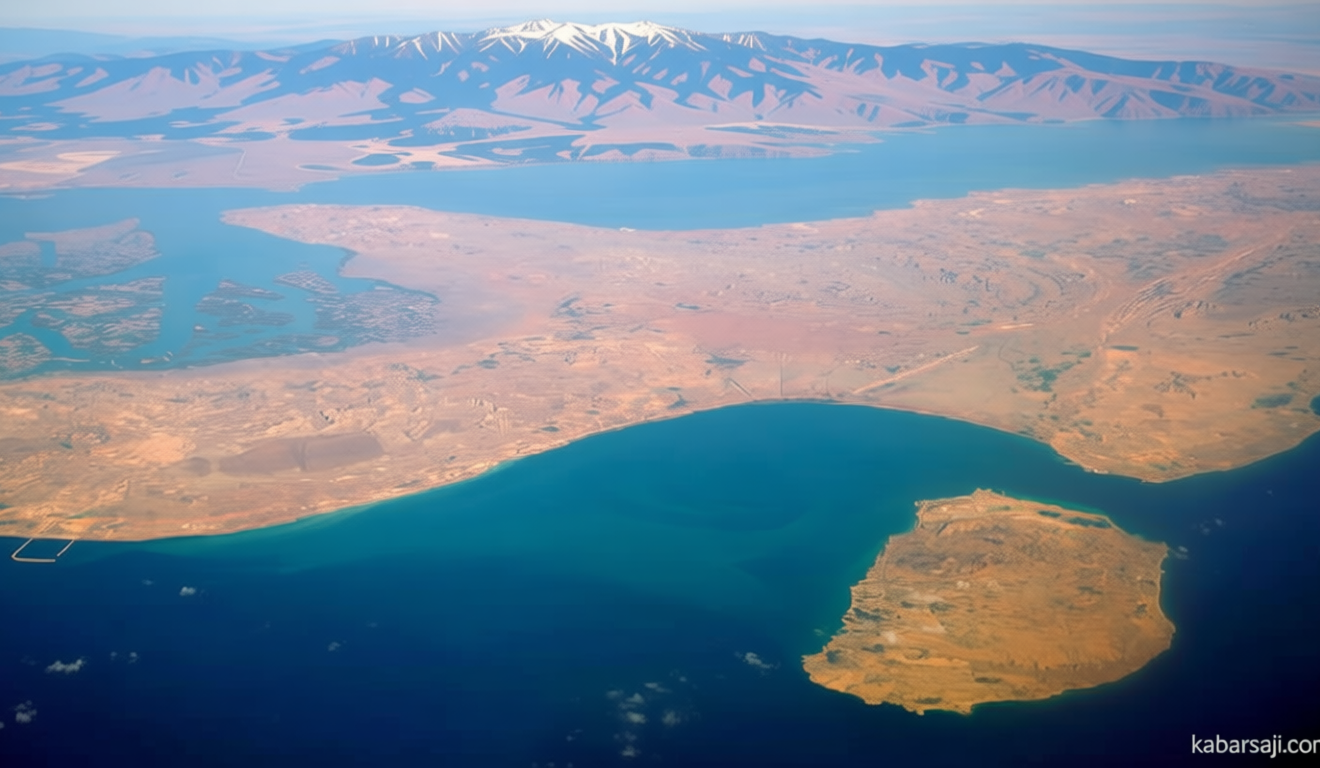
Iran Says Hormuz Waterway Fully Open – The Strait of Hormuz, a vital maritime passage linking the Persian Gulf to the Arabian Sea, has been declared fully open to commercial vessels by Iran, following a critical diplomatic agreement with the United States. This declaration, made by Iran’s UN Ambassador, Ali Bahreini, on June 23, 2026, signals a significant easing of tensions in the region. According to official reports, the waterway has seen uninterrupted traffic, with oil tankers and cargo ships navigating its waters without obstruction. The announcement comes as a relief to global energy markets, which had grown concerned about potential disruptions to the lifeline of international oil trade.
Strategic Importance of Hormuz Waterway
As one of the world’s most critical chokepoints, the Strait of Hormuz is responsible for roughly 20% of the global oil supply. Its strategic position has made it a focal point of geopolitical conflicts, with Iran and the United States frequently clashing over control and access. The waterway’s full operability ensures the continued flow of crude oil from the Middle East to global markets, particularly Europe and Asia. Iran’s confirmation that commercial operations are now unimpeded underscores the country’s commitment to stabilizing the region and reinforcing its role as a key player in international trade.
Recent days have witnessed a surge in maritime activity through the strait, with oil tankers from multiple countries transiting without incident. This uptick in traffic follows the implementation of the Memorandum of Understanding (MoU) signed between Iran and the U.S. in Islamabad. The agreement, which was finalized after weeks of negotiations, aims to resolve the ongoing disputes that began on February 28, 2026, when U.S. and Israeli forces launched coordinated attacks on Iranian targets. These strikes had raised fears of a broader conflict, potentially blocking the strait and causing a spike in oil prices.
Diplomatic Accord and Its Terms
The MoU between Iran and the U.S. outlines specific measures to restore normal operations in the Strait of Hormuz. Central to the agreement is the U.S. commitment to lift naval restrictions on Iranian ports, a move that has been a major sticking point in previous negotiations. In return, Iran has pledged to resume unrestricted commercial shipping through the waterway. This reciprocal arrangement is expected to prevent future escalations and ensure the free movement of goods, which is essential for maintaining global energy supply chains.
Iran’s UN Ambassador emphasized that the waterway’s full opening is a testament to the success of the diplomatic process. “The strait is fully open to ships, including commercial vessels,” he reiterated during a press briefing in Geneva, as reported by Antara. The statement highlights the collaborative efforts between Iran and its international allies, including Pakistan and Qatar, which played a pivotal role in facilitating the talks. These nations acted as mediators, ensuring that both parties could align their interests and find a common ground.
The agreement also includes provisions for monitoring and verification, ensuring that Iran adheres to the terms of the MoU. This oversight mechanism is crucial for building trust between the two countries and preventing any covert actions that could jeopardize the waterway’s accessibility. Analysts suggest that the successful implementation of the deal marks a turning point in the relationship between Iran and the U.S., which had been strained by recent military incidents and sanctions.
With the Strait of Hormuz now fully open, the international community has expressed cautious optimism. The resumption of normal shipping operations is expected to stabilize oil prices and reduce the risk of supply shortages. However, challenges remain, including the need for sustained diplomatic efforts and the potential for renewed tensions if either side fails to uphold its commitments. The full opening of the waterway represents not just a logistical achievement, but a symbolic step toward restoring stability in the region.