
Indonesia Cuts LPG, Plastic Raw Material Import Duties to Zero
Indonesia Cuts LPG, Plastic Raw Material Import Duties to Zero Indonesia Cuts LPG Plastic Raw Material - Indonesia has taken a significant step toward
Indonesia Cuts LPG, Plastic Raw Material Import Duties to Zero
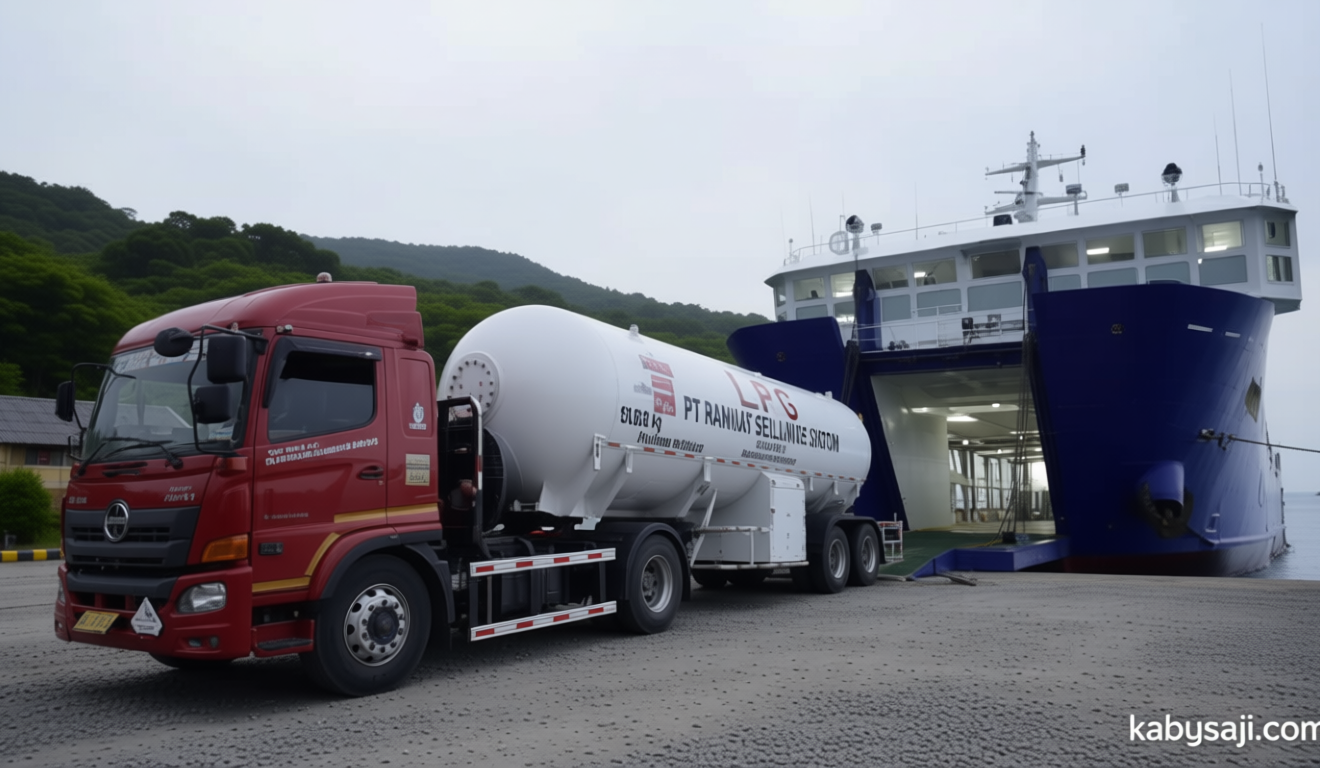
Indonesia Cuts LPG Plastic Raw Material – Indonesia has taken a significant step toward economic recovery by eliminating import duties on liquefied petroleum gas (LPG) and plastic raw materials, effective immediately. This decision, aimed at Indonesia cuts LPG plastic raw material import costs, is part of a broader strategy to ease financial pressures on domestic industries and stabilize commodity prices in the face of global market volatility. By removing tariffs on these essential goods, the government seeks to create a more favorable environment for manufacturers, particularly those reliant on LPG as a primary energy source and plastic raw materials for production.
Strategic Move to Boost Industry Competitiveness
The policy announcement by Coordinating Minister for Economic Affairs Airlangga Hartarto highlights the government’s commitment to reducing operational costs for businesses. With LPG and plastic raw materials now imported duty-free, companies are expected to benefit from lower input prices, which can translate into competitive pricing for finished products. This adjustment comes at a critical time as the global economy grapples with supply chain disruptions and inflationary pressures, making Indonesia cuts LPG plastic raw material an important tool for maintaining economic stability.
Under the new framework, LPG import duties are slashed from 5% to 0%, aligning with the government’s goal of encouraging domestic consumption of energy products. The reduction is particularly impactful for sectors such as transportation and manufacturing, which depend heavily on LPG for fuel and production processes. By making LPG more affordable, the government hopes to mitigate the risk of rising energy costs, which have been a persistent challenge for businesses in recent years.
Simultaneously, the zero-duty policy on plastic raw materials targets the petrochemical industry, which plays a vital role in Indonesia’s economy. The move is designed to counteract the upward trend in naphtha prices, a key raw material for plastic production. Airlangga emphasized that this decision is not only about immediate cost relief but also about fostering long-term resilience in industries that are crucial to the nation’s industrial output.
Impact on Inflation and Consumer Goods
The Indonesia cuts LPG plastic raw material initiative is also expected to have a positive effect on inflation control. With food packaging and other consumer goods heavily reliant on plastic, lower raw material costs could help keep prices in check for everyday items. This is especially relevant in a country where inflation has remained a concern, as the policy aims to reduce the cost burden on essential goods while supporting the broader manufacturing sector.
Airlangga Hartarto further noted that the combined approach of reducing LPG and plastic raw material tariffs will have a cascading effect on the economy. By lowering input costs, the government anticipates a boost in production activity, which could stimulate employment and increase exports. This strategy also complements other measures, such as the extension of duty-free status to aircraft spare parts, which supports the aviation industry and enhances its competitiveness in international markets.
Analysts suggest that the Indonesia cuts LPG plastic raw material policy will have a measurable impact on domestic industries. For instance, the petrochemical sector may see a surge in production as companies can now source materials at lower costs. This could lead to an increase in the availability of affordable plastic products, benefiting both manufacturers and consumers. Additionally, the energy sector may experience a shift in demand, as lower LPG prices could encourage its use over more expensive alternatives.
The decision reflects Indonesia’s proactive approach to addressing economic challenges. By removing tariffs on these goods, the government is signaling its intent to prioritize affordability and efficiency in key industries. This move is likely to be closely watched by stakeholders, including manufacturers, traders, and consumers, as it could influence the nation’s economic trajectory in the coming months. The success of this policy will depend on its ability to balance cost reductions with the need to maintain quality standards and sustainable practices in the long term.