
Indonesia Says 340 Rohingya Refugees Still Housed in Aceh
Indonesia Says 340 Rohingya Refugees Still Housed in Aceh Indonesia Says 340 Rohingya Refugees Still Housed in Aceh — In a recent update, the Indonesian
Indonesia Says 340 Rohingya Refugees Still Housed in Aceh
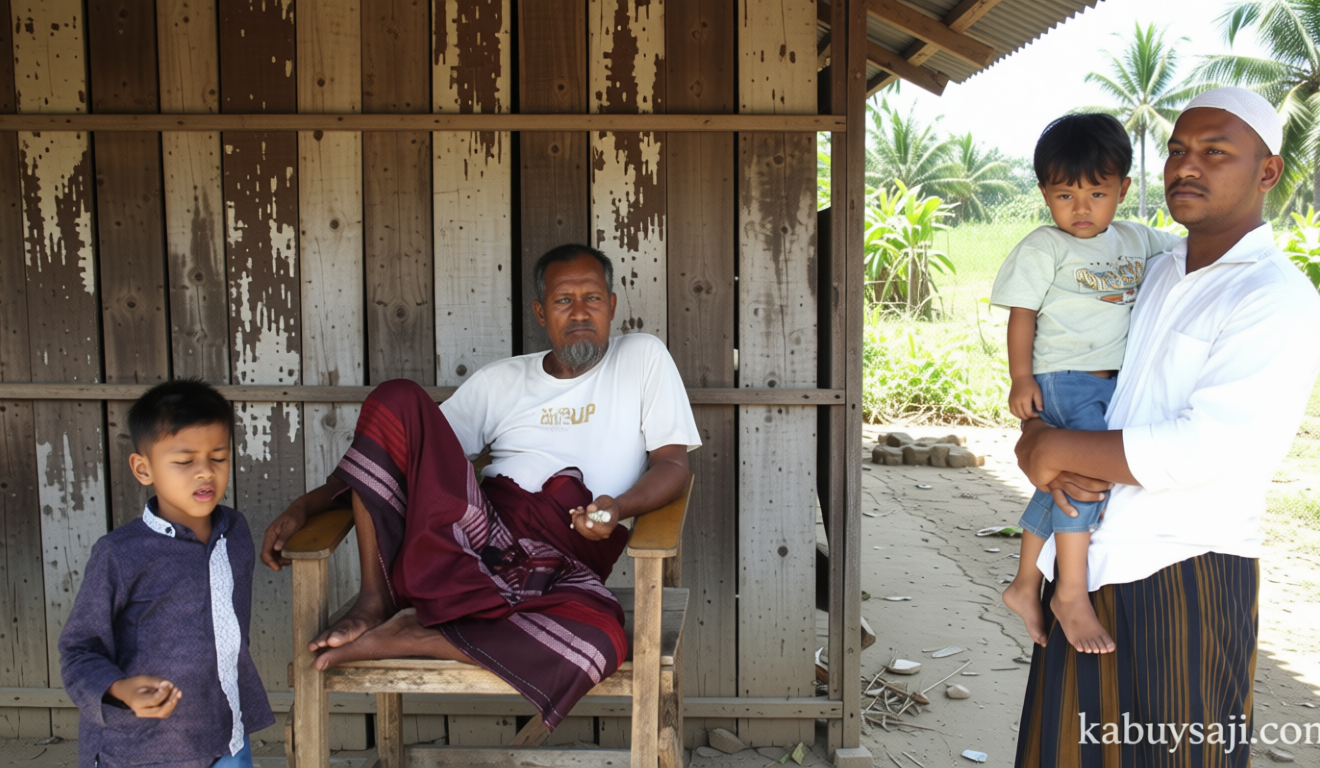
Indonesia Says 340 Rohingya Refugees Still Housed in Aceh — In a recent update, the Indonesian government confirmed that approximately 340 Rohingya refugees remain in temporary shelter facilities across Aceh Province. This report, released by the Aceh Regional Office of the Directorate General of Immigration, highlights the ongoing presence of the displaced community in the region following a series of arrivals over the past few years. The government’s statement underscores its commitment to providing humanitarian assistance while maintaining the legal framework for managing refugee settlements.
The Current Refugee Situation in Aceh
As of the latest assessment, the 340 Rohingya refugees are distributed among three primary evacuation centers located in different districts of Aceh. These centers serve as temporary housing solutions for the displaced individuals, who have fled conflict and persecution in Myanmar. The Aceh Regional Office of Immigration, under the leadership of Tato Juliadin Hidayawan, has been actively monitoring and registering the refugees to ensure proper documentation and support. The distribution of refugees across these centers reflects a strategic effort to manage their needs effectively while integrating them into the local community.
The evacuation centers in question include Mina Raya in Padang Tiji District, Pidie Regency, where 185 Rohingya refugees are currently residing. North Aceh Regency hosts 73 individuals, while Seuneubok Rawang in East Aceh Regency accommodates 82. These facilities are equipped with basic necessities such as food, water, and medical care to address the immediate needs of the refugees. Despite these efforts, the situation remains challenging, with the government continuously working to improve conditions and streamline operations.
Legal Status and Government Protocols
The immigration official emphasized that the Rohingya refugees are recognized as stateless individuals under Myanmar’s legal system, which has left them without citizenship or residency rights in their home country. Indonesia, however, has provided a temporary refuge, allowing them to reside in the country while their status is evaluated. The government’s approach is guided by Presidential Regulation No. 125 of 2016, which outlines the procedures for accommodating and managing foreign refugees. This legal framework ensures that the refugees are granted access to essential services while their long-term status is determined.
Hidayawan noted that the refugee management system in Aceh involves collaboration between the Immigration Office, local authorities, and security agencies such as the Indonesian National Armed Forces (TNI) and the National Police (Polri). This coordination helps in maintaining order, preventing unauthorized movements, and ensuring the safety of both refugees and the local population. The government has also initiated outreach programs to educate the community about the Rohingya crisis and foster understanding and support for the displaced individuals.
Historical Context and Regional Impact
The Rohingya refugee crisis in Aceh has roots in the broader conflict in Myanmar, where the ethnic group has faced systematic persecution, displacement, and violence. Over the past three years, multiple waves of Rohingya arrivals have been recorded in Aceh, with landing points spread across several districts. These include Pidie Regency, Aceh Besar Regency, East Aceh Regency, Bireuen Regency, North Aceh Regency, South Aceh Regency, and Sabang City. The influx has placed pressure on local resources but has also spurred community efforts to provide aid and integrate the refugees into Aceh’s social fabric.
Indonesia Says 340 Rohingya Refugees Still Housed in Aceh — The government’s focus on Aceh as a refuge for Rohingya individuals is part of its broader strategy to address humanitarian crises in the region. Aceh’s geographical location, bordering the Strait of Malacca, has made it a strategic entry point for refugees seeking asylum. The presence of 340 Rohingya refugees in the province has prompted discussions on long-term solutions, including the possibility of granting them temporary residency or citizenship. This has also raised questions about the sustainability of the current shelter system and the need for expanded infrastructure to accommodate future arrivals.
Additionally, the Indonesian government has been working closely with international organizations to coordinate relief efforts and provide medical, educational, and vocational support to the Rohingya refugees. These initiatives aim to help the refugees become self-reliant and contribute to the local economy. The 340 Rohingya refugees in Aceh are not only a testament to Indonesia’s humanitarian commitment but also a reflection of the ongoing global refugee crisis. Their presence in the province has highlighted the importance of regional cooperation and the need for a unified approach to managing displaced populations.
Challenges and Future Plans
While Indonesia Says 340 Rohingya Refugees Still Housed in Aceh, the government faces several challenges in managing the refugee population. These include the need for more temporary housing units, the provision of long-term livelihood opportunities, and the integration of refugees into the local community. Hidayawan acknowledged that the current shelters are sufficient for the immediate needs but emphasized the importance of expanding capacity to ensure that all refugees are adequately supported.
Looking ahead, the Indonesian government has outlined plans to enhance the refugee management system in Aceh. These plans include the establishment of more permanent housing solutions, the provision of education and vocational training programs, and the development of a comprehensive legal framework to address the status of stateless individuals. By implementing these measures, Indonesia aims to create a sustainable environment for the Rohingya refugees while maintaining its role as a key player in the regional refugee response. The continued presence of the 340 Rohingya refugees in Aceh underscores the complexity of the crisis and the necessity for ongoing efforts to support their well-being.