
ASEAN Seeks Stronger Regional Resilience Amid Middle East Conflict
ASEAN Seeks Stronger Regional Resilience Amid Middle East Conflict Global Instability and ASEAN's Strategic Response ASEAN Seeks Stronger Regional Resilience
ASEAN Seeks Stronger Regional Resilience Amid Middle East Conflict
Global Instability and ASEAN’s Strategic Response
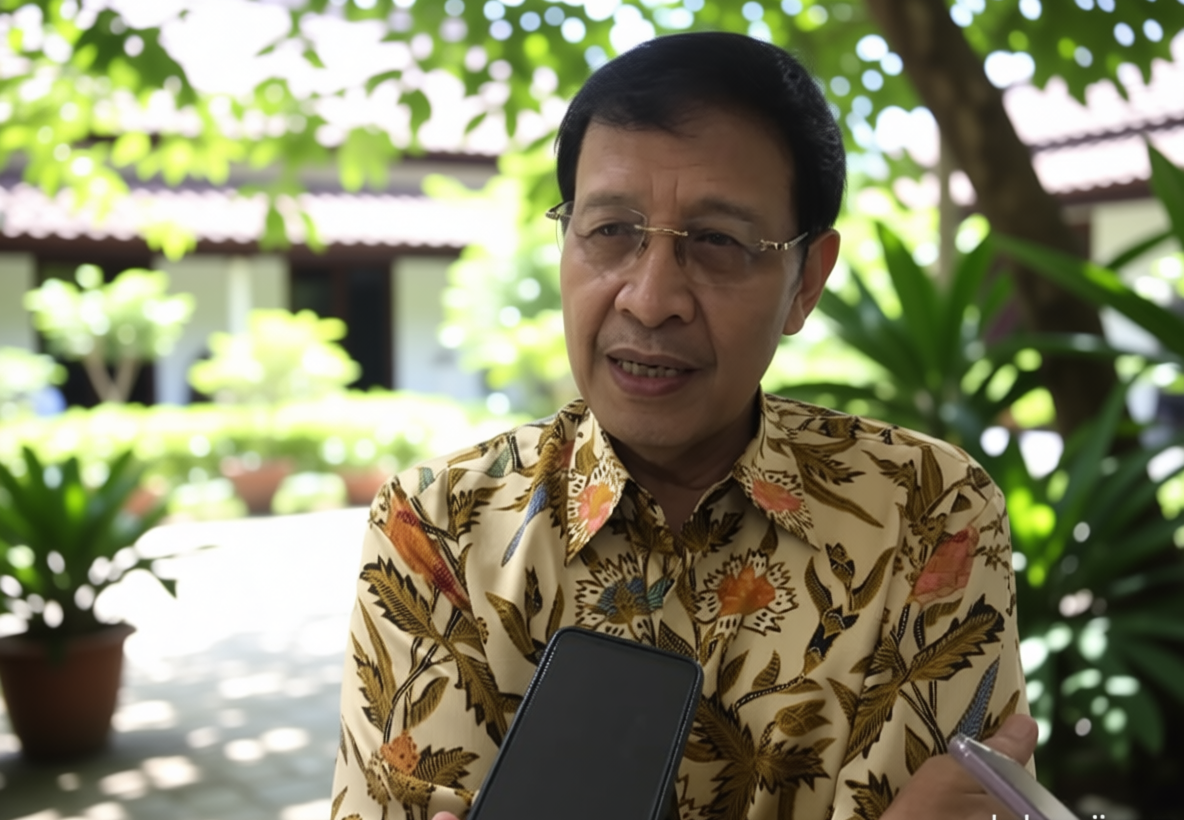
ASEAN Seeks Stronger Regional Resilience Amid – The ongoing Middle East conflict has prompted ASEAN to intensify its focus on building stronger regional resilience. As tensions between Iran and the United States escalate, senior ASEAN diplomat Hassan Wirajuda has underscored the importance of self-reliance in securing energy and food supplies. Speaking at the Jakarta Forum 2026, a key event marking the fifth anniversary of the comprehensive strategic partnership between ASEAN and China, he emphasized that the region must prepare for disruptions in global supply chains. “ASEAN Seeks Stronger Regional Resilience as a proactive measure against geopolitical uncertainties,” he stated, highlighting the need for collaborative frameworks to safeguard Southeast Asia’s interests.
ASEAN’s strategy involves leveraging regional unity to mitigate the effects of external conflicts. The disruption of oil, gas, and fertilizer supplies has become a pressing concern, with leaders urging increased cooperation to stabilize resource access. “The Middle East conflict is a reminder that no single nation can guarantee stability alone,” explained Wirajuda. “ASEAN’s priority is to enhance our collective capabilities in energy and food security, ensuring we are not overly dependent on volatile global markets.”
Energy Security as a Priority
One of ASEAN’s key initiatives is the development of an integrated power grid system across Southeast Asia. This plan aims to allow surplus electricity from one country to support others facing shortages, thereby reducing reliance on external energy sources. “ASEAN Seeks Stronger Regional Resilience through interconnected energy infrastructure,” Wirajuda added, noting that such a system would also promote economic growth and reduce the risk of energy crises. The proposal aligns with broader efforts to create a sustainable and self-sufficient energy network, which is critical for long-term stability.
Additionally, ASEAN is exploring joint electricity production frameworks to ensure a steady supply of power. The diplomat highlighted that the Middle East conflict has exposed vulnerabilities in global supply chains, making it imperative for the region to take control of its energy resources. “By investing in regional energy cooperation, ASEAN Seeks Stronger Regional Resilience against potential disruptions,” he said. This includes the promotion of renewable energy sources and the sharing of technological expertise among member states.
Food Security and Economic Stability
Food security is another critical area where ASEAN is emphasizing resilience. The diplomat pointed to the recent attacks on Venezuelan oil facilities as an example of how geopolitical events can impact essential resources. “ASEAN Seeks Stronger Regional Resilience not only in energy but also in agriculture and food production,” Wirajuda noted. The region is working to establish regional food reserves and improve supply chain efficiency to counteract global disruptions. “This is a strategic move to ensure that our nations can withstand the shocks of international crises,” he concluded.
ASEAN’s broader vision for resilience also includes strengthening economic ties within the region. By fostering a unified market and promoting trade agreements, the bloc aims to create a more robust economic foundation. “The Middle East conflict has shown us the value of regional solidarity,” said the diplomat. “ASEAN Seeks Stronger Regional Resilience through economic integration, which will help us navigate future challenges with greater confidence.”
Moreover, ASEAN leaders have called for increased investment in infrastructure and technology to support long-term resilience. This includes the development of regional logistics networks and the enhancement of digital connectivity. “The disruption of supply chains has made it clear that we must act decisively to secure our own resources,” Wirajuda remarked. By prioritizing regional collaboration, ASEAN hopes to create a more stable and self-reliant bloc, capable of withstanding global shocks.
As the conflict in the Middle East continues, ASEAN’s efforts to build resilience are gaining momentum. Leaders are advocating for joint projects in energy, food, and economic cooperation, ensuring that the region remains a cohesive and resilient entity. “ASEAN Seeks Stronger Regional Resilience not only for our immediate needs but also for the long-term stability of our economies and societies,” Wirajuda emphasized. This commitment to regional unity will be crucial in shaping ASEAN’s future role in global geopolitics.
Read: US-Iran First Round of Talks Ends With ‘Encouraging Progress’