
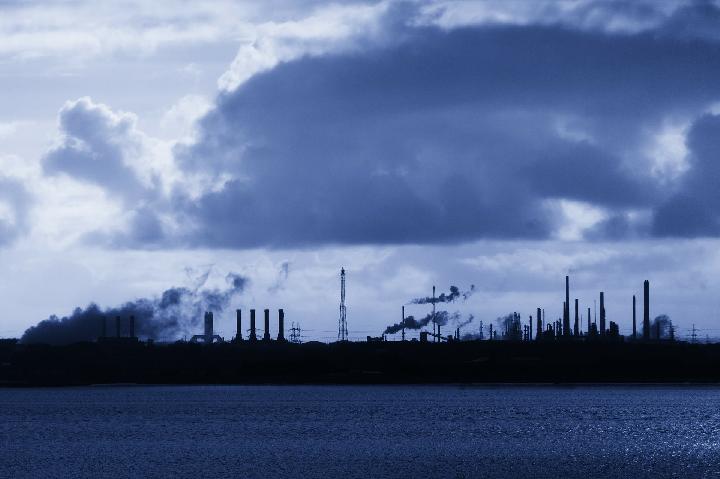
US Ends Carbon Limits for Coal and Gas Power Plants
Kabarsaji.com – The Trump administration has removed federal limits on carbon emissions from coal-fired and natural gas power plants, reversing standards introduced in 2024 to curb pollution that drives global warming. The Environmental Protection Agency announced the decision during a G20 meeting of energy ministers in Houston.
EPA Administrator Lee Zeldin described the action as a major deregulation effort for the electricity industry. The repeal affects requirements for both existing facilities and new generating plants that had been established under the Clean Air Act during the Biden administration.
“Today, we are cutting the red tape to deliver the largest power sector deregulatory action ever,”
Zeldin said the agency would reject what he called “climate alarmism and climate radicalism,” and criticized journalists whom he accused of attempting to frighten the public.
Standards Required Major Emissions Cuts
The regulations being withdrawn had required certain power plants to sharply lower carbon dioxide pollution or close by 2039. The rules set a target of reducing emissions by as much as 90% for covered facilities.
Carbon dioxide is a greenhouse gas released when fossil fuels are burned. Electricity generation is responsible for roughly one-quarter of US greenhouse gas emissions, making the power sector a central part of national climate policy. Coal plants generally release more carbon dioxide per unit of electricity than natural gas plants, though both rely on fossil fuels and add to heat-trapping emissions.
The EPA’s new direction goes beyond repealing the Biden-era standards. It also proposes ending future greenhouse gas regulations for the power sector. That would represent a broader shift in how the federal government approaches emissions from electricity production.
Supporters of the rollback argue that reducing regulatory requirements could protect energy reliability and lower costs. Zeldin said previous Democratic administrations had pursued policies hostile to coal.
“For over 15 years, the Obama and Biden administrations implemented a war on coal to destroy reliable and affordable energy,”
He said the Trump administration intended to reverse that approach and predicted that Americans would pay less for electricity.
“Americans will see a decrease in electricity prices.”
Coal Production Expected to Increase
The EPA said coal production used for power generation could rise by more than ten times after the repeal. That projection highlights the administration’s expectation that coal may play a larger role in supplying electricity once emissions limits are removed.
Coal has long been a major part of the US energy mix, but its use in electricity production has declined over time as older plants retire and other energy sources expand. The administration’s policy seeks to ease restrictions on coal and gas facilities rather than require them to deploy emissions-control measures or meet the previous carbon-reduction deadlines.
For communities near power plants, the decision has implications beyond national energy policy. Carbon dioxide itself is the main concern addressed by the repealed rules because of its role in climate change. Power plants can also be associated with other forms of air pollution, which are regulated separately under federal and state environmental rules.
Legal Challenge Is Expected
Environmental groups signaled that the EPA’s decision is likely to be tested in court. Meredith Hankins, a legal expert at the Natural Resources Defense Council, said the agency’s reasoning appeared internally inconsistent.
“We’ll have to look at the final text of the rule,”
Hankins said. She added that the contradictions appeared visible on the surface and said she expected the matter to reach court.
“But I think on its face you can see the contradictions. So I’m certainly looking forward to seeing them in court.”
The likely litigation could determine whether the EPA has adequately justified its repeal and whether its proposed approach to future power-sector greenhouse gas regulation complies with federal law. Court disputes over climate rules have repeatedly shaped the limits of EPA authority, particularly when agencies seek to regulate emissions from major industries.
Rachel Cleetus of the Union of Concerned Scientists condemned the decision, arguing that it favors fossil fuel companies while putting public welfare at risk.
“They’re propping up fossil fuel industry profits and completely sidelining people’s health and well-being,”
Cleetus said.
“The EPA has deserted its mission entirely, and they’re doing it in a way that’s cruel. They’re gleefully taking credit for it.”
A Wider Shift in US Climate Policy
The repeal is part of a wider effort by the Trump administration to dismantle regulations designed to limit climate pollution. The power-plant standards had been one of the most significant federal measures aimed at reducing emissions from the electricity sector, where investment decisions can affect infrastructure for decades.
The immediate policy change removes the federal requirements set in 2024, but its long-term effect will depend on court rulings, future EPA actions, state-level policies, electricity demand, and decisions by utilities. Power providers will still face practical choices involving plant age, operating costs, fuel supply, grid reliability, and local regulatory obligations.
For households and businesses, the debate centers on competing priorities: electricity affordability and reliability on one side, and the costs of climate pollution and environmental protection on the other. The administration has made clear that it intends to prioritize deregulation and fossil-fuel production, while environmental advocates are preparing to challenge that course through the legal system.
Related Reading
Frequently Asked Questions
What is US Scraps Greenhouse Gas Rules for Power?
US Scraps Greenhouse Gas Rules for Power is the main topic of this guide. The article explains the context, practical details, and next steps readers should understand.
Why does US Scraps Greenhouse Gas Rules for Power matter?
US Scraps Greenhouse Gas Rules for Power matters because readers are looking for a useful answer, not just a short summary. Good content should match search intent and help them decide what to do next.