When UMY Students Cornered Police Intel at Yogyakarta Protest
UMY Students Cornered Police During Yogyakarta Protest: A Landmark Moment in Campus Activism When UMY Students Cornered Police Intel - When UMY Students
UMY Students Cornered Police During Yogyakarta Protest: A Landmark Moment in Campus Activism
When UMY Students Cornered Police Intel – When UMY Students Cornered Police, a pivotal moment unfolded during a significant protest in Yogyakarta on June 17, 2026, as student activists from the Muhammadiyah University of Yogyakarta (UMY) Alliance confronted an undercover intelligence officer. The event, which quickly gained traction on social media, involved a tense standoff between demonstrators and the officer, who was believed to be monitoring the protest under the guise of a regular police presence. This incident, captured in a viral video, has sparked widespread debate about the role of intelligence agents in campus activism and the growing tensions between students and law enforcement in Indonesia. The phrase “UMY Students Cornered Police” has since become a rallying point for discussions about transparency, freedom of expression, and the use of covert tactics in public demonstrations.
The Backstory of the Yogyakarta Protest
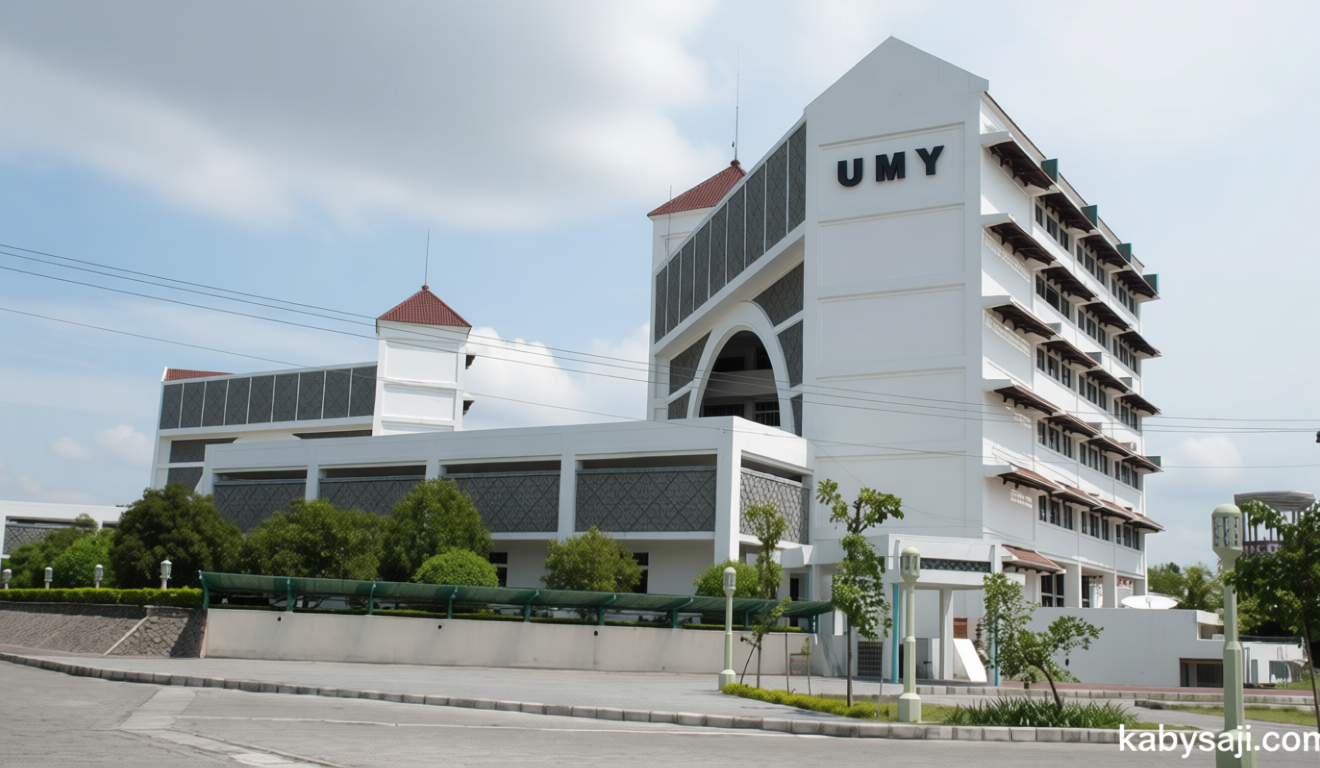
The protest in Yogyakarta was not an isolated event but part of a broader wave of student-led movements across Indonesia. UMY, a prominent private university in Yogyakarta, has long been a hub for political and social activism, with its student groups frequently organizing demonstrations on issues ranging from education policies to national governance. This particular protest was fueled by growing dissatisfaction with the current administration’s economic policies, including rising fuel prices and the perceived marginalization of civil society. As the students marched toward the Zero Kilometer landmark, their goal was to draw attention to their grievances and demand accountability from those in power.
When UMY Students Cornered Police, the confrontation reached its peak as the officer was taken into custody by a group of students who accused him of being an intelligence agent infiltrating their campus. The students’ actions were seen as a bold statement against surveillance practices they believed were being used to suppress dissent. The incident was not just a moment of protest but a symbolic act of defiance against the broader system of control that they claimed had been operating in their university for months.
Protest Demands and Organizational Context
The students’ demands were clear and multifaceted, targeting both economic and political policies. They called for the elimination of measures that they argued were harming the public, such as the current fuel and essential goods pricing strategy. Additionally, they demanded the criminalization of civil society be reversed, a move they believed would empower activists and protect their right to protest. When UMY Students Cornered Police, the students also emphasized the need for expanded access to education and healthcare, as well as faster implementation of land reform to address rural grievances.
Among the key organizations involved was the UMY Bergerak Alliance, which advocated for “Menuju Pembebasan Nasional” (towards national liberation). Their platform included demands for the abolition of policies that stifled academic freedom and the reduction of tuition fees. Meanwhile, other student groups, such as those from UIN Sunan Kalijaga Yogyakarta, focused on specific issues like the Red and White Village Cooperative programs and the national free nutritious meal (MBG) initiative. These groups, though united in their desire for change, often had distinct priorities, reflecting the diverse concerns of Indonesia’s youth.
When UMY Students Cornered Police, the event highlighted the increasing role of student activism in shaping public discourse. By taking a direct stand against the intelligence officer, the protesters not only expressed their anger over perceived government overreach but also demonstrated their ability to organize and mobilize effectively. The incident became a case study in how student movements can use both peaceful and confrontational tactics to amplify their voices in a political landscape that often favors top-down control.
Police Response and Institutional Communication
Senior Commissioner Ihsan, representing the Yogyakarta Regional Police, provided a detailed account of the incident in a press statement. He confirmed that the officer detained by the students was indeed a member of the police force and was operating under a covert intelligence mission. “Our personnel are deployed to secure key locations where student gatherings occur, ensuring free speech remains protected without causing public disruption,” Ihsan explained, adding that the officer’s presence was part of a broader strategy to monitor and guide demonstrators back to campus safely.
“It has been resolved amicably through good communication and coordination with the university rectorate and the students,” Ihsan remarked, emphasizing that the confrontation stemmed from a miscommunication. He noted that the officer was not in harm’s way and that the students had the right to question his presence on campus. The police, however, stressed that the incident was a temporary setback in their efforts to maintain order during the protest.
When UMY Students Cornered Police, the police’s response underscored their commitment to balancing security with public engagement. Ihsan’s statement was carefully worded to avoid accusations of heavy-handed tactics, while also acknowledging the students’ legitimate concerns. The police had previously issued guidelines for managing protests, which included the use of intelligence officers to assess risks and support demonstrators. This incident, however, revealed the potential for these officers to be perceived as agents of repression rather than facilitators of dialogue.
Broader Implications for Student Movements
The act of When UMY Students Cornered Police has had lasting implications for student activism in Indonesia. It has sparked a wave of solidarity among other university groups, who have since called for greater transparency in the deployment of intelligence agents. The event also highlighted the importance of grassroots mobilization in challenging institutional authority, with students using social media to share their experiences and rally support. The viral video of the confrontation, which featured the officer’s capture and the students’ chants, has been viewed millions of times, further amplifying their message.
Analysts have pointed to this incident as a turning point in the relationship between student movements and the police. While the police maintained that the officer’s mission was to ensure the safety of the demonstrators, the students argued that his presence was a tool of surveillance. The use of “UMY Students Cornered Police” as a hashtag on social media has become a symbol of the broader struggle for accountability and freedom of expression in Indonesia’s educational institutions. As the protest movement continues to grow, it remains to be seen whether this event will lead to lasting changes in how the police engage with student activists.
When UMY Students Cornered Police, the incident also served as a reminder of the power of protest in shaping public opinion. By taking a direct action against an intelligence officer, the students not only drew attention to their demands but also set a precedent for future demonstrations. Their actions have inspired other groups to adopt similar tactics, creating a ripple effect across the country. As the protest movement gains momentum, it is clear that the role of student activism in Indonesian politics is becoming more prominent, with UMY at the forefront of this evolving dynamic.