
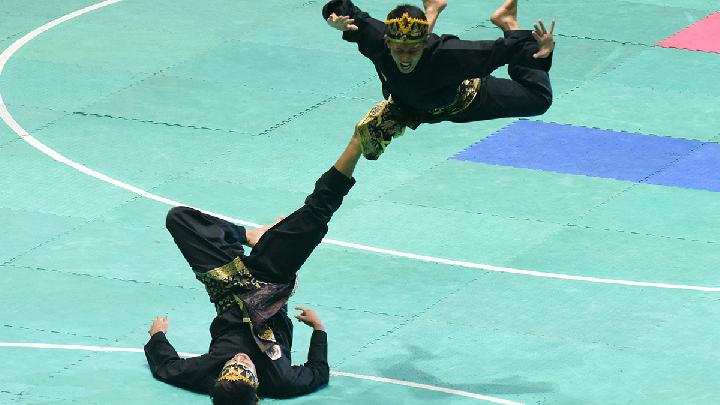
Pencak Silat Proposed as New Channel for Indonesia-Japan Sports Cooperation
Kabarsaji.com – Indonesia is seeking to place pencak silat at the center of a broader sports partnership with Japan, using the traditional martial art as a cultural and diplomatic connection between the two countries.
Youth and Sports Minister Erick Thohir raised the proposal during an event at the residence of Japan’s ambassador in Indonesia on Tuesday, September 8, 2026. He presented pencak silat not simply as a competitive discipline, but as an Indonesian cultural asset that could encourage closer contact between communities in both nations.
“One thing we are offering is how we can cooperate on pencak silat,” Thohir said.
The proposal reflects Indonesia’s interest in expanding bilateral ties beyond formal government channels. Sports programs, youth exchanges, training opportunities, and cultural activities can bring athletes, organizers, students, and supporters into direct contact, creating relationships that operate alongside official diplomacy.
People-to-People Diplomacy Through Sport
Thohir said cooperation in youth and sports should continue to grow because it can have a strong effect on direct connections between people in Indonesia and Japan. In his view, the relationship between the two countries should not depend solely on discussions between institutions or officials.
“Cooperation in youth and sports programs must continue to be enhanced, because this is a diplomatic relationship that greatly influences direct people-to-people relations,” he said.
Pencak silat offers a distinctive starting point for such engagement. The martial art is closely linked to Indonesia’s cultural heritage while also functioning as a modern sport with organized competition, coaching, and athlete development. That combination gives it potential value in exchanges that combine athletic practice with cultural understanding.
For Japan, whose sporting culture includes internationally recognized martial arts, collaboration involving pencak silat could provide an opportunity for athletes and sports communities to engage with an Indonesian tradition in a structured setting. For Indonesia, it could offer a platform to introduce more Japanese participants to a discipline that carries deep cultural meaning.
Thohir emphasized that sports diplomacy is important because it reaches ordinary citizens directly. International cooperation can take many forms, including coaching exchanges, youth programs, event management discussions, and opportunities for athletes to train or compete abroad. The minister expressed hope that current conversations would move into practical initiatives in both sports and youth affairs.
Fencing Also Included in Discussions
Pencak silat was not the only discipline mentioned in the prospective partnership. Fencing was also discussed as an area in which Indonesia and Japan could explore cooperation.
The possibility of engagement in more than one sport suggests that the two sides are considering a wider framework rather than a single cultural project. Different disciplines can create different forms of exchange, from technical training and coaching development to organizational cooperation and athlete exposure.
Previous discussions have involved the Indonesian Olympic Committee and Japan’s ministry responsible for youth and sports matters. Thohir said those talks had opened opportunities for sports cooperation, and he called for follow-up programs that would produce tangible results.
Such programs could matter beyond elite competition. Youth-oriented sports activities can offer young participants international exposure, while exchanges between sports administrators can help organizations share practical experience. The ultimate value of cooperation, however, will depend on whether discussions result in sustained activities rather than one-time events.
Learning From Japan’s Event-Hosting Experience
Indonesia also sees Japan as a valuable partner because of its experience staging major international sporting events. Japan has hosted the Summer Olympics twice and the Asian Games three times, giving the country a long record of preparing for competitions that require extensive planning, coordination, facilities, and public engagement.
Thohir said Indonesia could learn from that experience. Major events are not only contests between athletes; they involve venue preparation, transportation, volunteer coordination, safety arrangements, spectator services, media operations, and long-term planning. Countries that have hosted global and regional competitions can provide useful lessons for partners seeking to strengthen their own sporting ecosystems.
Japan’s history of hosting large events therefore adds another dimension to the proposed relationship. Indonesia’s interest is not limited to promoting pencak silat overseas. It also includes building knowledge-sharing opportunities with a country that has repeatedly managed high-profile multi-sport gatherings.
For Thohir, pencak silat remains especially significant because it connects sport with national culture. Its inclusion in bilateral cooperation could help ensure that exchanges are not restricted to administrative discussions or technical training. It can also serve as a way for participants to encounter Indonesian traditions through movement, discipline, and shared sporting experience.
A Cultural Link With Broader Potential
The minister’s proposal places sports within a larger vision of Indonesia-Japan relations: one in which cultural exchange and youth engagement reinforce formal diplomatic ties. While government agreements remain important, direct interaction between people can give bilateral cooperation a more durable social foundation.
Whether pencak silat becomes a major part of Indonesia-Japan sports relations will depend on the next stage of discussions and the creation of concrete programs. Still, the idea signals an effort to use a uniquely Indonesian discipline as a bridge to a close regional partner with extensive sporting experience.
By pairing cultural identity with practical sports cooperation, Indonesia hopes that pencak silat can help deepen understanding between the people of both countries while opening further opportunities in youth development, athletic exchange, and international event expertise.
Related Reading
Frequently Asked Questions
What is Indonesia Sees Pencak Silat as Bridge?
Indonesia Sees Pencak Silat as Bridge is the main topic of this guide. The article explains the context, practical details, and next steps readers should understand.
Why does Indonesia Sees Pencak Silat as Bridge matter?
Indonesia Sees Pencak Silat as Bridge matters because readers are looking for a useful answer, not just a short summary. Good content should match search intent and help them decide what to do next.