
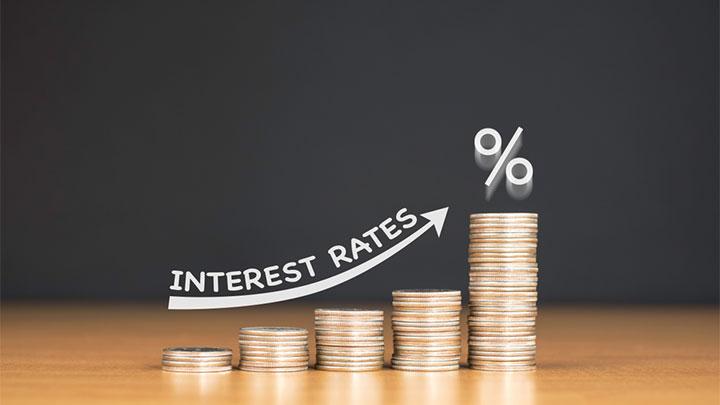
Global Bond Turmoil Signals a Possible Return to Higher Rates
Kabarsaji.com – A sudden sell-off in government bonds across major advanced economies has revived concern that the period of easing interest rates may be far from secure. Indonesia saw little immediate disruption from last week’s market shock, but the episode offered a clear reminder that movements in global borrowing costs can still carry consequences far beyond the countries where the selling began.
Bond prices dropped sharply as investors reconsidered how long central banks may need to keep policy restrictive. Because bond prices and yields move in opposite directions, the decline in prices pushed yields higher. The adjustment was most visible in government debt markets in developed economies, where investors reacted quickly to the possibility that inflation will prove more persistent than previously hoped.
By the end of the week, the most acute pressure had eased and the initial alarm had not developed into a prolonged panic. That calmer finish, however, does not remove the underlying concern. The market movement should be read less as an isolated disturbance than as a warning that higher interest rates, including in the United States, could again become a central feature of the global financial environment.
Inflation Returns to the Center of the Debate
The main force behind the reassessment is inflation. The extended war in Iran has lifted oil prices, adding fresh pressure to prices more broadly. Higher energy costs can affect households, businesses, transport, and production costs, making it harder for central banks to be confident that inflation is moving sustainably toward their targets.
For monetary authorities, the difficulty is not simply whether economic growth is slowing. Their central task is also to prevent price increases from becoming entrenched. If inflation remains high, cutting interest rates too early can risk adding to demand and making price pressures more difficult to control. This creates a more complicated outlook for markets that had anticipated easier policy conditions.
The stance of the US Federal Reserve is especially important because the dollar and US financial markets have an outsized role in global capital flows. Fed Chair Kevin Warsh has emphasized that price stability is the priority. The message for investors is that weaker growth alone may not be enough to bring rate reductions if inflation stays elevated.
That position also leaves open the possibility that rates could rise again. Markets tend to respond rapidly when they see central banks becoming more determined to contain inflation. Last week’s bond-market reaction reflected precisely that kind of reassessment: investors began pricing in the risk that borrowing costs may remain high for longer, or increase further if inflation does not ease.
Why Bond Yields Matter Beyond Financial Markets
Government bond yields are closely watched because they influence the cost of borrowing throughout an economy. When yields rise, financing can become more expensive for governments, companies, banks, and households. The effects may not appear instantly, but persistently higher yields can shape investment decisions, credit conditions, and expectations about growth.
In advanced economies, rising yields can increase the cost of servicing public debt and complicate fiscal planning. For businesses, higher financing costs may discourage expansion or delay investment. Consumers can also face tougher borrowing conditions, depending on how market rates are passed through to loans and other financial products.
These connections explain why a bond-market sell-off attracts such close attention. It is not merely a technical movement among traders. It can become a signal that investors expect a more restrictive financial landscape, one in which money remains costly and central banks have less room to support growth through rate cuts.
Indonesia Cannot Ignore the Global Shift
Indonesia was largely shielded from the direct bond-market turbulence seen in advanced economies. Even so, insulation from the first wave does not mean immunity from the broader consequences. A sustained increase in global interest rates could still affect financial conditions and investor behavior in emerging markets.
When yields in advanced economies rise, investors may reassess the balance between returns and risks across different markets. That can alter the environment in which countries such as Indonesia seek capital, manage market expectations, and respond to shifts in global sentiment. The challenge is not necessarily an immediate crisis, but the possibility that external conditions become less favorable over time.
Higher US rates are particularly significant because they can reshape global demand for dollar-denominated assets. For policymakers and businesses in Indonesia, the key issue is therefore not only what happens in domestic markets on a given day. It is also whether inflation-driven policy tightening abroad persists long enough to raise the cost of capital internationally.
A Warning Rather Than an All-Clear Signal
The rapid easing of last week’s volatility should be treated cautiously. Markets can settle temporarily even while the forces that caused the disruption remain unresolved. Oil-driven inflation pressure, uncertainty surrounding the war in Iran, and the Federal Reserve’s focus on price stability all suggest that the interest-rate outlook remains vulnerable to further change.
Investors, policymakers, and businesses will be watching whether inflation slows sufficiently to allow central banks to ease policy without jeopardizing price stability. Until there is greater confidence on that question, expectations for lower rates may remain fragile.
The episode has reinforced a simple but important lesson: global financial conditions can turn quickly when inflation concerns intensify. Indonesia may not have felt the initial shock deeply, but a renewed era of higher rates in major economies would be difficult to avoid entirely. The immediate panic may have passed; the risk signaled by the bond market has not.
Related Reading
Frequently Asked Questions
What is The Return of High Interest Rates?
The Return of High Interest Rates is the main topic of this guide. The article explains the context, practical details, and next steps readers should understand.
Why does The Return of High Interest Rates matter?
The Return of High Interest Rates matters because readers are looking for a useful answer, not just a short summary. Good content should match search intent and help them decide what to do next.