
AJI: Indonesian Govt Should Not Arbitrarily Remove News Content
AJI - The Alliance of Independent Journalists, known as AJI Indonesia, has voiced strong concerns regarding the state's approach to moderating online
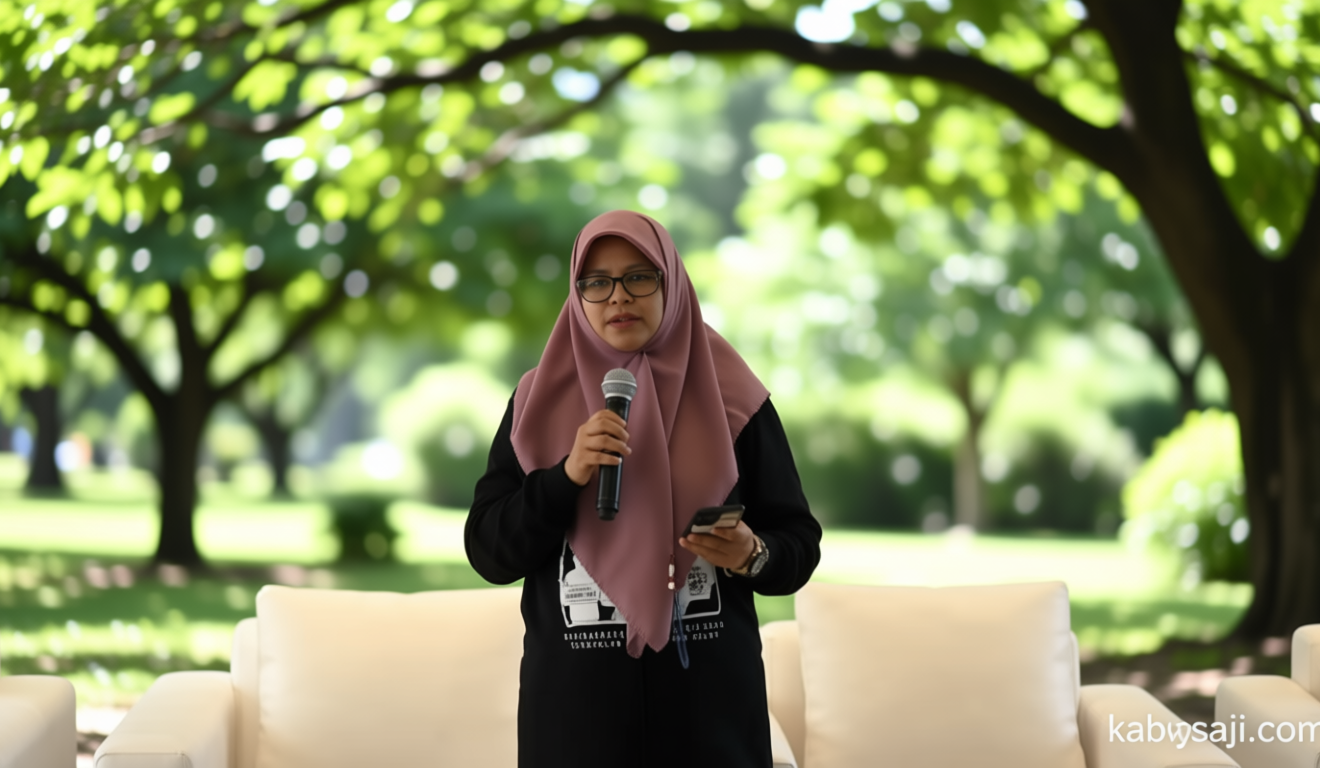
AJI Urges Government to Avoid Arbitrary Content Removal
Kabarsaji.com – AJI – The Alliance of Independent Journalists, known as AJI Indonesia, has voiced strong concerns regarding the state’s approach to moderating online material. The press organization warns that current practices may endanger journalistic independence by allowing digital platforms to delete news articles without proper oversight.
Ministry’s Role Under Scrutiny
Nany Afrida, who leads AJI Indonesia, emphasized that the Ministry of Communication and Digital Affairs should not position itself as the final decision-maker on whether news remains accessible online. Speaking to journalists at the Supreme Court in Central Jakarta on Wednesday, July 22, 2026, she stated:
“The ministry cannot place itself above all other institutions.”
According to Nany, the government body must recognize the boundaries of its authority when it comes to media content.
Press Council Should Lead Dispute Resolution
AJI pointed to the recent removal of material from Magdalene, an Indonesian news organization, as evidence of how the policy impacts press operations. The alliance argues that conflicts concerning journalistic work belong within the Press Council’s domain rather than government hands.
“It is the responsibility of the Press Council,” Nany explained, noting that unchecked arbitrary removals could generate additional victims among media professionals.
The Press Council serves as Indonesia’s autonomous regulatory body for media affairs.
Legal Challenge Filed
Alongside various press and media groups, AJI has initiated a judicial review targeting Government Regulation No. 71 of 2019 concerning Electronic Systems and Transactions (PSTE). This regulation forms the foundation of Indonesia’s content moderation system.
Mustafa Layong, who directs the Press Legal Aid Institute (LBH Pers), contended that certain sections of the regulation are excessively wide-ranging and susceptible to varied interpretations. He suggested these provisions might clash with Indonesia’s Press Law, the Electronic Information and Transactions (ITE) Law, and global human rights frameworks.
“The regulation limits freedom of expression,” Mustafa asserted.
He highlighted that content removal can occur before officials confirm whether a violation has actually taken place, creating issues related to due process and citizens’ access to information.
International Standards at Stake
Opponents of the regulation also argue it may contradict Indonesia’s Human Rights Law and the International Covenant on Civil and Political Rights (ICCPR), an agreement Indonesia has ratified.
Komdigi has maintained that it does not possess unilateral power to delete journalistic material. Alexander Sabar, the ministry’s director general for digital space oversight, clarified in June that news content requires a recommendation from the Press Council before being removed.
“The authority to handle press products fundamentally falls under the Press Law,” Alexander stated.
Read: Meta Mulls US$10bn AI Data Center Deal with Anthropic
Click here to get the latest news updates from Tempo on Google News