
Where Could Indonesia’s New International Financial Center Be Based?
Where Could Indonesia s New International financial center ultimately be established? Finance Minister Purbaya Yudhi Sadewa recently announced that the nation
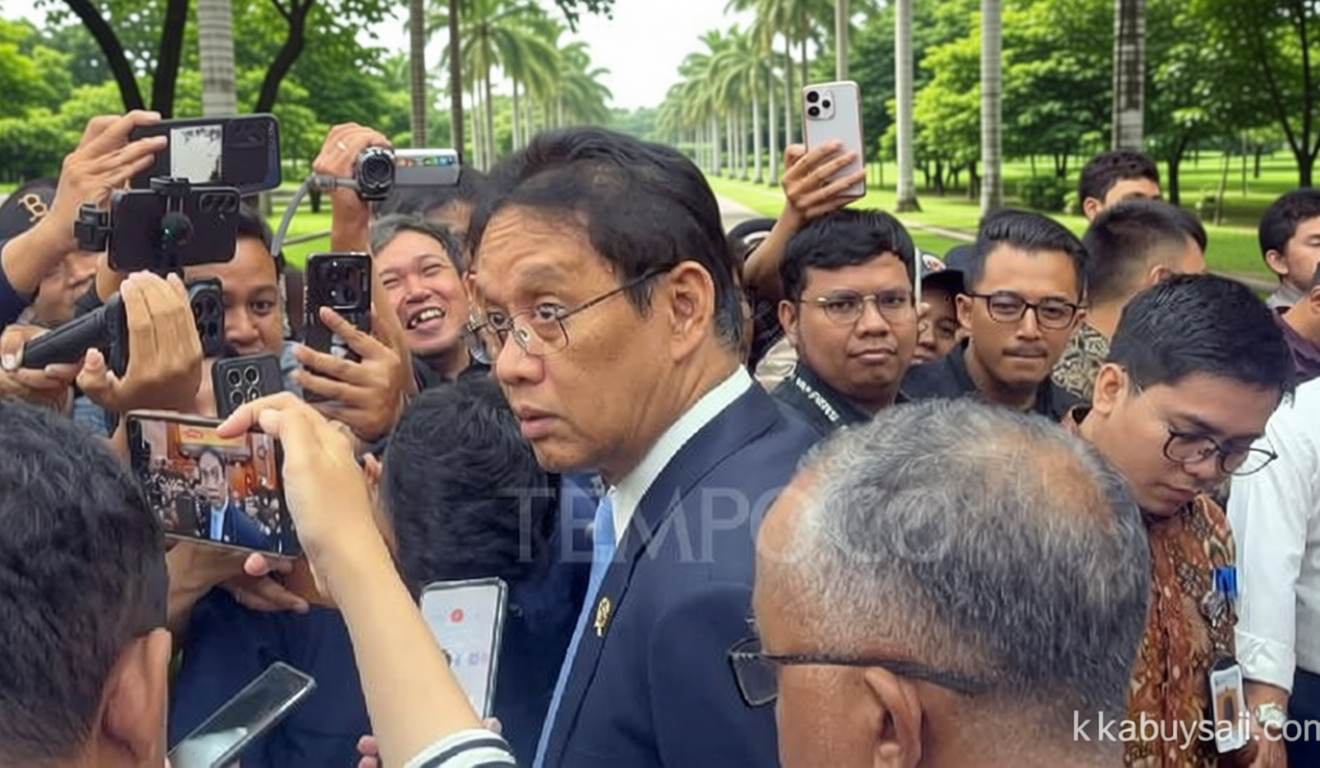
Indonesia Weighs Options for New International Financial Hub
Kabarsaji.com – Where Could Indonesia s New International financial center ultimately be established? Finance Minister Purbaya Yudhi Sadewa recently announced that the nation aims to launch its Indonesian International Financial Center, known as PFII, within the current calendar year. This ambitious timeline comes shortly after the House of Representatives granted final approval to the PFII Law. During a comprehensive press briefing focused on state budget matters, held at the Finance Ministry headquarters in Jakarta on Tuesday, July 21, 2026, the minister disclosed that government officials are actively working on drafting the implementing government regulation necessary to make the financial hub fully operational.
“The government regulation has not yet been drafted, but we will try to complete it as soon as possible. We are targeting operations to begin this year,” he said.
Purbaya emphasized that the present era of worldwide economic uncertainty actually works in Indonesia’s favor when considering international investment. He explained that when global markets experience significant volatility, interest in stable financial centers typically grows substantially. Conversely, during stable global periods, competing for such prestigious hubs becomes considerably more challenging for emerging economies.
“When uncertainty is high, demand for financial centers increases. If global conditions are calm, it would be more difficult for us to compete,” he said.
Site Selection Under Consideration
The newly enacted legislation grants the finance minister the power to designate where the international financial center will be located. According to Purbaya, no definitive choice has been reached yet, as authorities continue to evaluate multiple proposals from various regions. Two prominent candidates currently on the table include the Kura Kura Bali Special Economic Zone alongside the Sanur Special Economic Zone, both offering unique advantages for international business operations.
The minister outlined that the final selection will depend on several critical factors: how straightforward development will be, what infrastructure already exists in each location, the financial outlay required for each option, and the area’s ability to draw international investors from around the world. He noted that the chosen location must offer either ready-to-use or easily constructible infrastructure while remaining appealing to global investors with significant capital seeking stable markets.
“Essentially, we will choose the best option. The infrastructure must be easy to build or already partly available, and the location must be attractive to global investors with substantial capital,” he said.
Previously, Mohamad Hekal, who serves as Deputy Chair of House Commission XI and leads the parliamentary working committee responsible for the PFII bill, mentioned that officials are assessing various potential sites across Bali. He shared that he had heard two or three locations in Bali are currently being reviewed, with the possibility that more options might surface in the future as the evaluation process continues.
Bali has emerged as a strong contender due to its existing tourism infrastructure, international airport connectivity, and growing reputation as a business destination. The island’s natural beauty combined with modern facilities makes it particularly attractive for foreign companies establishing regional headquarters. Additionally, the special economic zone status provides tax incentives and regulatory flexibility that could accelerate growth.
The PFII project represents Indonesia’s broader strategy to enhance its standing as a regional financial center and secure increased international capital movement. By establishing a dedicated financial hub, the government hopes to attract foreign direct investment, create high-quality employment opportunities, and position the country as a key player in Southeast Asian finance.
Read: What to Know About Indonesia’s 50-Year Income Tax Break
Click here to get the latest news updates from Tempo on Google News