Sudan Rejects New US Sanctions as ‘Unilateral and Illegal’
Sudan Denounces New U.S. Sanctions as 'Unilateral and Illegal' Sudan Rejects New US Sanctions as Unilateral - In a strong diplomatic response, Sudan has
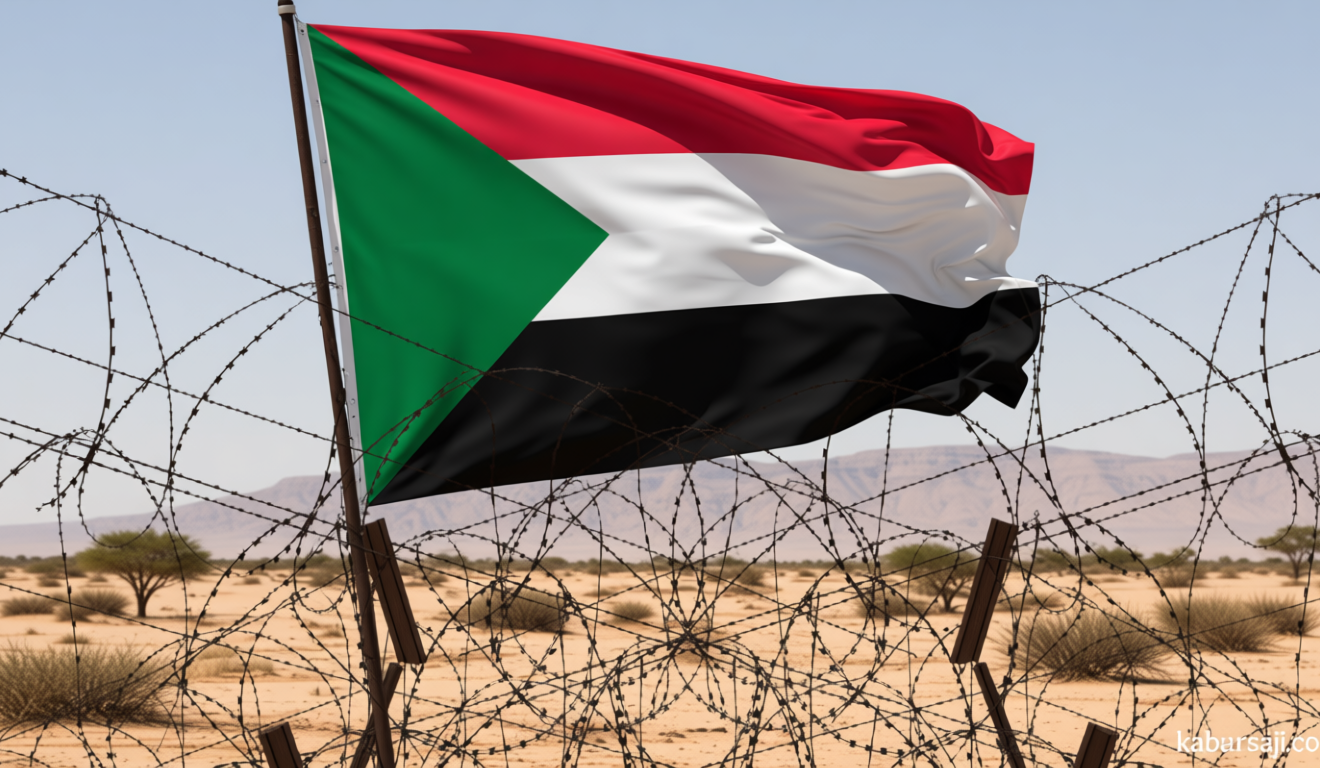
Sudan Denounces New U.S. Sanctions as ‘Unilateral and Illegal’
Sudan Rejects New US Sanctions as Unilateral – In a strong diplomatic response, Sudan has publicly rejected the latest round of U.S. sanctions, labeling them as “unilateral and illegal” under international law. The decision to impose these penalties came on July 17, following a critical report from the U.S. government accusing Sudan’s military of using chemical weapons in its conflict with opposition groups. Sudan’s foreign affairs ministry issued a formal statement on July 19, firmly contesting the claim and emphasizing that the sanctions bypass proper international procedures. This move marks a significant escalation in tensions between the two nations, with Sudan arguing that the U.S. is overstepping its authority by acting without consensus from the global community.
Context of the Sanctions
The sanctions target key Sudanese officials and entities linked to the military’s alleged use of chemical weapons, such as the Sudan Armed Forces (SAF) and the Rapid Support Forces (RSF). The U.S. government’s decision is rooted in its assessment of the ongoing conflict in Sudan, which has claimed thousands of lives since 2023. While the U.S. insists the measures are necessary to hold Sudan accountable, Sudan contends that the accusations are politically motivated and lack sufficient evidence. The nation highlights its compliance with the Chemical Weapons Convention (CWC) as a point of contention, pointing out that the U.S. failed to engage in multilateral discussions before taking action.
The U.S. Rationale
According to the U.S. Department of State, the sanctions were imposed to compel Sudan to meet the conditions for lifting restrictions on its military operations. The U.S. asserts that Sudan has not made adequate progress in dismantling its chemical weapon programs, despite multiple opportunities to do so. Additionally, the country argues that Sudan’s use of chemical weapons has been a recurring issue, warranting immediate punitive measures. However, Sudan refutes these claims, stating that it has not used chemical weapons and that the U.S. has not provided concrete proof of such actions. The nation has called for a thorough investigation and evidence-sharing with the United Nations before proceeding with sanctions.
Sudanese Government’s Legal and Diplomatic Stance
Sudan’s foreign affairs ministry has reiterated its position that the sanctions violate international law by being unilaterally imposed without consulting other countries or adhering to the CWC’s procedural requirements. The ministry released a detailed statement highlighting the lack of due process and accusing the U.S. of using the sanctions to advance its political agenda in the region. “The U.S. has imposed these sanctions solely to exert pressure on Sudan, disregarding its right to defend its actions in the context of regional stability,” the statement read. This legal argument underscores Sudan’s determination to challenge the U.S. move in the global arena, seeking support from allies and international institutions.
Impact on Sudan’s Economy and Relations
The new sanctions are expected to have a substantial impact on Sudan’s economy, which has already been strained by years of conflict and inflation. Restrictions on financial aid, loans, and technical support from U.S.-led global institutions will limit Sudan’s access to critical resources for development and infrastructure projects. Furthermore, the prohibition on most U.S. exports to Sudan, particularly those with military applications, could hinder the country’s ability to secure essential equipment and materials. While Sudan acknowledges the economic pressure, it maintains that the sanctions are an unfair tactic to penalize the nation without due process, potentially damaging its relationships with key partners and undermining its efforts to rebuild.
International Reactions and Calls for Dialogue
Reactions to the U.S. sanctions have been mixed, with some countries expressing concern over the unilateral approach. Diplomatic representatives from the African Union and the Arab League have urged the U.S. to engage in dialogue with Sudan before implementing penalties. These organizations argue that the sanctions could exacerbate the humanitarian crisis in Sudan and discourage other nations from supporting the country’s recovery efforts. Meanwhile, Sudan has called for a unified front among African nations to counter the U.S. decision, emphasizing the need for collective action to ensure fair treatment in international affairs. The country’s rejection of the sanctions reflects a broader strategy to assert its sovereignty and challenge Western influence in African politics.
As the sanctions take effect on July 20, the situation remains a focal point for global diplomatic discussions. Sudan’s stance highlights the growing divide between the U.S. and African nations over the use of economic pressure as a tool for geopolitical influence. The controversy also underscores the importance of evidence-based decision-making in international relations, with Sudan urging the U.S. to revisit its actions and collaborate on a more equitable solution. With the conflict in Sudan still ongoing, the outcome of this dispute could shape the nation’s future trajectory and its engagement with the international community. The focus keyword “Sudan Rejects New US Sanctions” will continue to resonate in global discourse as the nation defends its position and seeks to restore its standing on the world stage.