2030 World Cup: List of Stadiums, Host Cities, and Important Dates
elebration of Football 2030 World Cup - The 2030 World Cup is set to be one of the most anticipated events in the history of international football, marking
2030 World Cup: A Global Celebration of Football
2030 World Cup – The 2030 World Cup is set to be one of the most anticipated events in the history of international football, marking the 100th anniversary of the FIFA World Cup. Following Spain’s recent success in the 2022 tournament, the 2030 edition will take the sport to a new level by being hosted across six countries for the first time in history. This unprecedented expansion will see Morocco, Portugal, and Spain as the primary host nations, while Argentina, Paraguay, and Uruguay will contribute to the centenary celebrations. The 2030 World Cup promises to be a landmark occasion, blending the rich football traditions of these nations with a modern, inclusive approach to global competition.
Host Cities and Stadiums: A Diverse Lineup
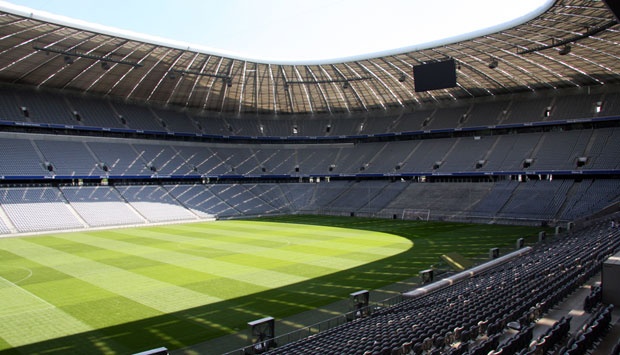
The 2030 World Cup will feature a carefully selected network of stadiums across three continents, ensuring a wide geographical reach and accessibility for fans worldwide. The tournament’s organization has emphasized sustainability and legacy, with many of the venues incorporating eco-friendly designs and advanced facilities. Below is a detailed list of the 23 approved stadiums, each playing a critical role in hosting matches during this historic event.
Spain’s Venues: World-Class Facilities
Spain will serve as one of the main host nations, with its selection of stadiums reflecting both its football heritage and modern infrastructure. Key venues include the iconic Estadio Santiago Bernabéu in Madrid, home to Real Madrid and capable of hosting over 85,000 fans. The Estadio Metropolitano will also be a central hub, while Barcelona’s Camp Nou and RCDE Stadium will provide a vibrant backdrop for some of the most anticipated matches. In Bilbao, the San Mamés Stadium will host games, and in San Sebastián, the Reale Arena will offer a unique experience. The Estadio de La Cartuja in Seville and Nou Mestalla in Valencia will further showcase Spain’s commitment to the 2030 World Cup. Meanwhile, the Gran Canaria Stadium on the Canary Islands will be a surprise addition, highlighting the tournament’s reach beyond mainland Europe.
Other Host Nations: A Pan-American and European Experience
The 2030 World Cup’s expansion includes significant contributions from Argentina, Paraguay, and Uruguay, which will host centenary celebration matches. In Argentina, the Estadio Monumental in Buenos Aires, a historic venue that has witnessed countless legendary moments, will be a key site. Uruguay’s Estadio Centenario, the birthplace of the World Cup in 1930, will rekindle its iconic status as a symbol of the tournament’s legacy. Paraguay’s Estadio Manuel Ferreira in Asunción will provide a unique South American setting. Morocco’s contribution will span major cities like Casablanca (Stade Hassan II), Rabat (Prince Moulay Abdallah Stadium), Tangier (Grand Stade de Tanger), and Marrakech, where the Marrakech Stadium will be a focal point. The Fez Stadium will also feature prominently, offering a glimpse into the region’s cultural and sporting significance.
2030 World Cup Schedule: A Timely Breakdown
The 2030 World Cup schedule has been meticulously planned to balance competition, travel logistics, and fan engagement. The centenary celebration matches will kick off on June 8–9, 2030, with Uruguay, Argentina, and Paraguay playing host. This early start allows for a seamless transition into the main tournament, which begins on June 13–14, 2030 with the opening ceremony and initial matches. The group stage will run from June 15–16, 2030, followed by the second round of group matches on June 21–22, 2030. The final showdown will take place on July 21, 2030, bringing the global football community together in a climactic celebration. This timeline ensures teams have ample time to prepare, while also creating a sense of anticipation and momentum throughout the event.
Key Dates and Global Impact
The 2030 World Cup is not only about the matches but also about the broader cultural and economic impact it will have. The opening matches will be held on June 13, 2030, with the final on July 21, 2030, spanning just over a month of action. This structure allows for a condensed yet dynamic tournament, featuring 48 teams divided into 16 groups, with 8 advancing to the knockout stage. The 2030 World Cup will also include a special centenary celebration for the first three rounds, ensuring the legacy of the tournament is honored. With its global reach and innovative format, the 2030 World Cup is expected to set a new standard for international football events.
As the 2030 World Cup approaches, anticipation is building among fans and stakeholders worldwide. The selection of host nations and venues reflects a strategic effort to celebrate football’s diversity while maintaining its competitive essence. This edition will not only showcase the talents of the world’s best players but also highlight the unique cultures and cities that will play host. The tournament’s schedule, spanning June to July 2030, is designed to maximize fan experience and ensure smooth operations across multiple time zones. With the 2030 World Cup set to be the most geographically spread event in history, it promises to be a defining moment in the sport’s evolution.
For more information on the 2030 World Cup, including a complete list of stadiums, host cities, and important dates, visit the official source. Stay updated with the latest news and insights as the 2030 World Cup nears, ensuring you don’t miss any of the exciting developments. The combination of iconic venues, a historic timeline, and an expanded global footprint makes the 2030 World Cup a milestone in football history.