Algeria Seeks Larger EU Energy Role Amid Regional Tensions
Algeria Seeks Larger EU Energy Role Amid Regional Tensions Algeria Seeks Larger EU Energy Role - In a strategic move to solidify its position as a key energy
Algeria Seeks Larger EU Energy Role Amid Regional Tensions
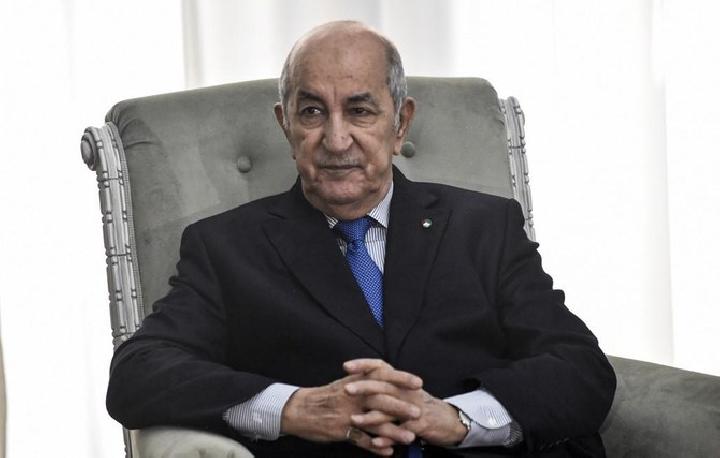
Algeria Seeks Larger EU Energy Role – In a strategic move to solidify its position as a key energy supplier, Algerian President Abdelmadjid Tebboune’s recent trip to Berlin highlighted the nation’s ambition to deepen ties with the European Union. The two-day visit, the first official mission to Germany since his 2019 inauguration, resulted in a joint statement with German Chancellor Friedrich Merz that emphasized Algeria’s critical role in the EU’s energy security. This partnership aims to expand natural gas exports and foster collaboration on renewable energy initiatives, positioning Algeria as a vital player in Europe’s energy transition amid growing regional instability.
Strategic Energy Expansion and Infrastructure
Algeria’s expanding role in EU energy is underscored by its commitment to developing a southern hydrogen corridor, a project that could significantly enhance energy trade between North Africa and Germany. By reducing the need for long-haul LNG shipping, this initiative promises lower costs and greater efficiency in gas delivery. Sonatrach, Algeria’s state-owned energy company, recently sent its first direct LNG shipment to Germany’s Wilhelmshaven 1 terminal, marking a milestone in the country’s efforts to diversify its export routes. Analysts suggest that a direct pipeline to Europe would further reduce logistical complexities, making Algeria’s energy exports more reliable and cost-effective.
“Algeria’s energy significance lies in its ability to supply gas directly to southern Europe, bypassing traditional Gulf shipping lanes and offering a critical buffer against supply disruptions,” remarked Alice Gower of Azure Strategy.
Geopolitical Context and EU Energy Security
The EU’s heightened reliance on Algeria stems from ongoing geopolitical tensions, particularly the conflict in the Middle East and the disruption of oil exports through the Strait of Hormuz. These challenges have intensified the need for diversified energy sources, with Algeria’s stable pipeline infrastructure becoming a strategic asset. While the Gulf remains a dominant energy supplier, Algeria’s ability to provide continuous gas flows without depending on volatile maritime routes has made it a preferred partner for European nations seeking long-term energy stability. This dynamic is expected to grow as the EU accelerates its decarbonization goals and seeks to reduce dependency on fossil fuels from politically unstable regions.
“Algeria Seeks Larger EU Energy Role by addressing Europe’s urgent need for secure, predictable energy supplies in an era of global uncertainty,” noted Gammelin, reinforcing the country’s commitment to reinforcing this partnership.
Regional Influence and Economic Strategy
Algeria’s energy ambitions are not isolated; they are part of a broader strategy to enhance its geopolitical influence across North Africa and the Sahel. The nation’s extensive borders with Mali and Niger, spanning over 2,280 kilometers, position it as a central hub for regional cooperation. However, its energy diplomacy also reflects a desire to counterbalance Morocco’s growing presence in the region, particularly through economic and political initiatives. By aligning with the EU on energy projects, Algeria aims to strengthen its economic leverage and cement its status as a bridge between the Maghreb and sub-Saharan Africa.
“Algeria Seeks Larger EU Energy Role to reinforce its leadership in North Africa, where it competes with Morocco for regional influence and economic dominance,” observed experts at the Institute for Security Studies.
Domestic Pressures and International Partnerships
Algeria’s push for a stronger EU energy role is driven by both external and internal factors. Domestically, the country faces economic pressures, including a need to diversify its export markets and reduce reliance on oil revenues. The Western Sahara dispute has also contributed to Algeria’s diplomatic isolation, as several African nations have aligned with Morocco following the U.S. recognition of Moroccan sovereignty in 2020. Despite these challenges, Algeria continues to seek international partnerships, including efforts to mend relations with Mali and Niger and support political stability in Libya. These initiatives are not only aimed at regional security but also at securing new markets for its energy exports.
“Algeria’s strategic energy partnerships with the EU are a critical component of its domestic economic strategy, ensuring sustained revenue streams while mitigating the risks of geopolitical isolation,” added Gower.