
Indonesia’s Highland Papua Drafts Law to Ban Tribal Wars
l Wars Indonesia s Highland Papua Drafts Law - Indonesia’s Highland Papua has taken a significant step toward fostering peace by drafting legislation aimed at
Indonesia’s Highland Papua Drafts Law to Ban Tribal Wars
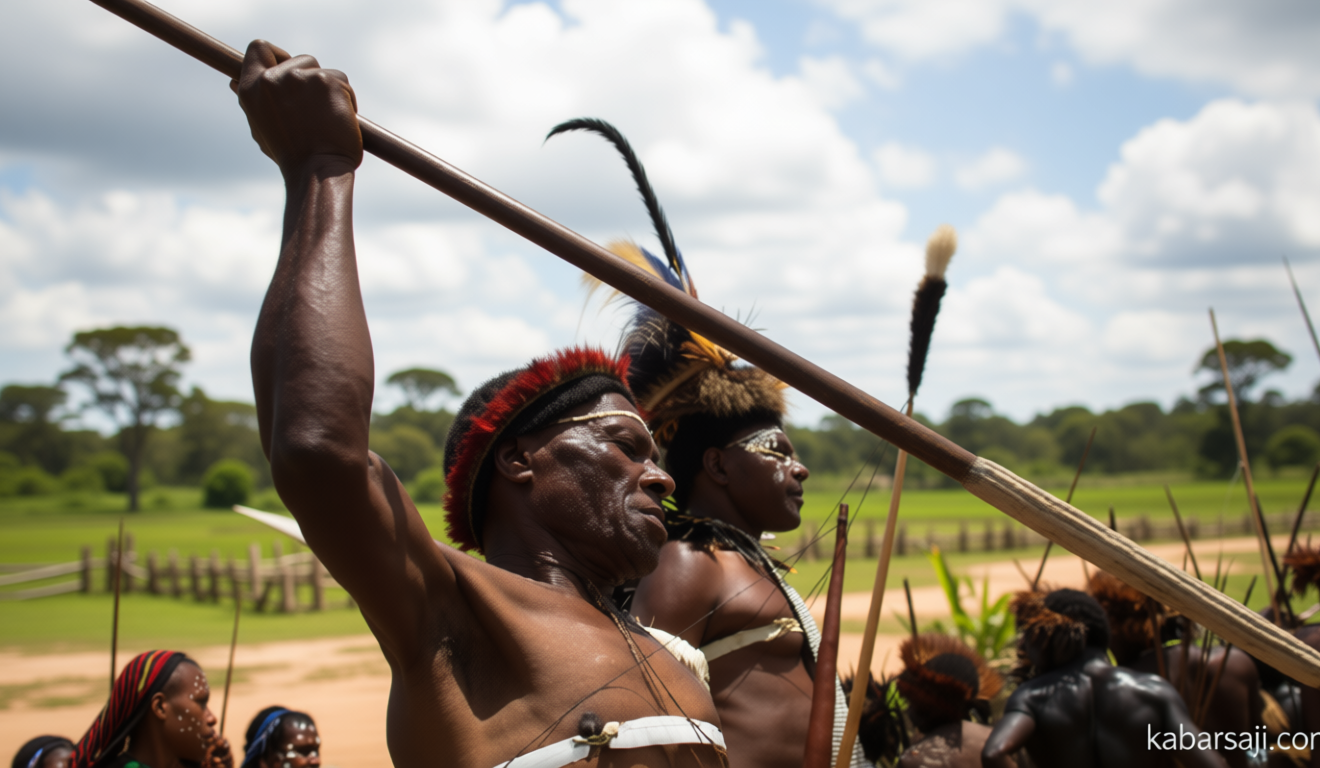
Indonesia s Highland Papua Drafts Law – Indonesia’s Highland Papua has taken a significant step toward fostering peace by drafting legislation aimed at prohibiting tribal wars within the region. This move, which centers on the focus keyword Indonesia s Highland Papua Drafts, seeks to address long-standing tensions between local communities and reduce the frequency of violent confrontations that have plagued the area for years. The law is part of a broader strategy to strengthen regional governance, ensure cultural preservation, and create a legal framework that supports communal harmony. As part of this initiative, the provincial government is collaborating with lawmakers, religious groups, and traditional leaders to design a system that prioritizes dialogue over conflict.
Background and Context of Tribal Conflicts
Highland Papua, home to over 20 indigenous tribes, has experienced a history of inter-ethnic clashes that often stem from resource competition, land disputes, and cultural misunderstandings. These conflicts have not only resulted in casualties but have also disrupted economic activities and social cohesion in the region. The Indonesia s Highland Papua Drafts law is a direct response to these challenges, aiming to formalize customary dispute resolution methods while introducing statutory mechanisms to intervene when necessary. The goal is to prevent small disagreements from escalating into full-scale wars that have historically left deep scars on the community.
Historically, tribal wars in Highland Papua have been fueled by both internal and external factors. Local grievances over land rights and governance have often been exacerbated by political tensions between the central government and separatist movements. The recent draft of the law reflects a growing recognition of the need to address these root causes. By integrating traditional practices with modern legal structures, the government hopes to create a hybrid system that respects cultural identity while ensuring stability. This approach is also aligned with the Indonesia s Highland Papua Drafts initiative to promote inclusive policies that benefit all residents.
Collaborative Legal Framework
The drafting process for the law has been a collaborative effort, involving input from diverse stakeholders to ensure its effectiveness. Governor John Tabo, who has been a vocal advocate for peace, has emphasized the importance of consensus-building among the eight districts that make up Highland Papua. The law is designed to empower local communities by giving them a formalized mechanism to resolve disputes before they reach a violent stage. This includes provisions for traditional leaders to mediate conflicts and for the provincial government to enforce legal measures when customary solutions fail.
“Our vision is to ensure that tribal conflicts no longer disrupt the daily lives of our people. The Indonesia s Highland Papua Drafts law will provide a structured way for communities to settle disagreements peacefully, preserving our cultural heritage while securing a brighter future for all,” Tabo stated.
The law also incorporates elements of regional autonomy, allowing local tribes to have a say in the legal process. This balance between tradition and modernity is expected to reduce the likelihood of disputes being resolved through force, as it encourages collective decision-making and mutual understanding among tribes.
Implementation and Expected Impact
With the support of the Ministry of Home Affairs, the Indonesia s Highland Papua Drafts law is progressing through the legislative process. Once enacted, it will require all eight districts to adopt standardized procedures for conflict resolution, ensuring consistency across the region. The law also outlines penalties for those who incite or participate in tribal wars, which could include fines or imprisonment. This serves as a deterrent, reinforcing the idea that violence will no longer be the default response to disputes.
“This law is not just a legal tool—it’s a commitment to unity. By addressing the root causes of conflict and providing clear guidelines for resolution, we can create a society where cooperation, not confrontation, is the norm,” Tabo added.
Experts believe the law has the potential to significantly reduce the frequency of tribal wars, especially if it is implemented with the support of local leaders. However, challenges remain, including ensuring that all communities are adequately represented and that the law is enforced consistently. The success of the Indonesia s Highland Papua Drafts initiative will depend on its ability to adapt to the unique needs of each district while maintaining a unified legal standard.
Comparisons with Other Provinces
Highland Papua’s effort to draft a law banning tribal wars is part of a larger movement in Indonesia to address regional conflicts. Central Papua and South Papua are also in the process of developing similar legislation, indicating a national strategy to stabilize the country’s westernmost provinces. The Indonesia s Highland Papua Drafts law serves as a model for these other regions, showcasing how a combination of traditional practices and statutory law can be used to resolve disputes effectively. This coordinated approach could lead to a more stable and harmonious national framework for ethnic relations.
The law also highlights the importance of education and awareness in conflict prevention. By promoting inter-tribal dialogue and cultural exchange, the government aims to foster mutual respect and understanding. This is particularly crucial in Highland Papua, where the diversity of tribes presents both opportunities and challenges for unity. The Indonesia s Highland Papua Drafts initiative is not only about legal reform but also about building a long-term culture of peace that transcends individual grievances.
“The Indonesia s Highland Papua Drafts law is a milestone in our journey toward a peaceful and prosperous future. It reflects the voices of our people and the shared responsibility of the government to protect them,” said a local community representative.
While the law is still in the drafting phase, its potential impact is already being recognized. By providing a legal foundation for conflict resolution, it sets the stage for a more stable Highland Papua, where disputes can be settled through negotiation rather than violence. This marks a pivotal moment in the region’s history, as it moves toward a unified legal system that honors tradition while embracing modern governance.