
Israel Clears Way for Crocodiles to Stop Prison Breaks
Breaks Israel Clears Way for Crocodiles to Stop - Israel has officially reclassified Nile crocodiles as valuable security assets, marking a significant shift
Israel Clears Way for Crocodiles to Stop Prison Breaks
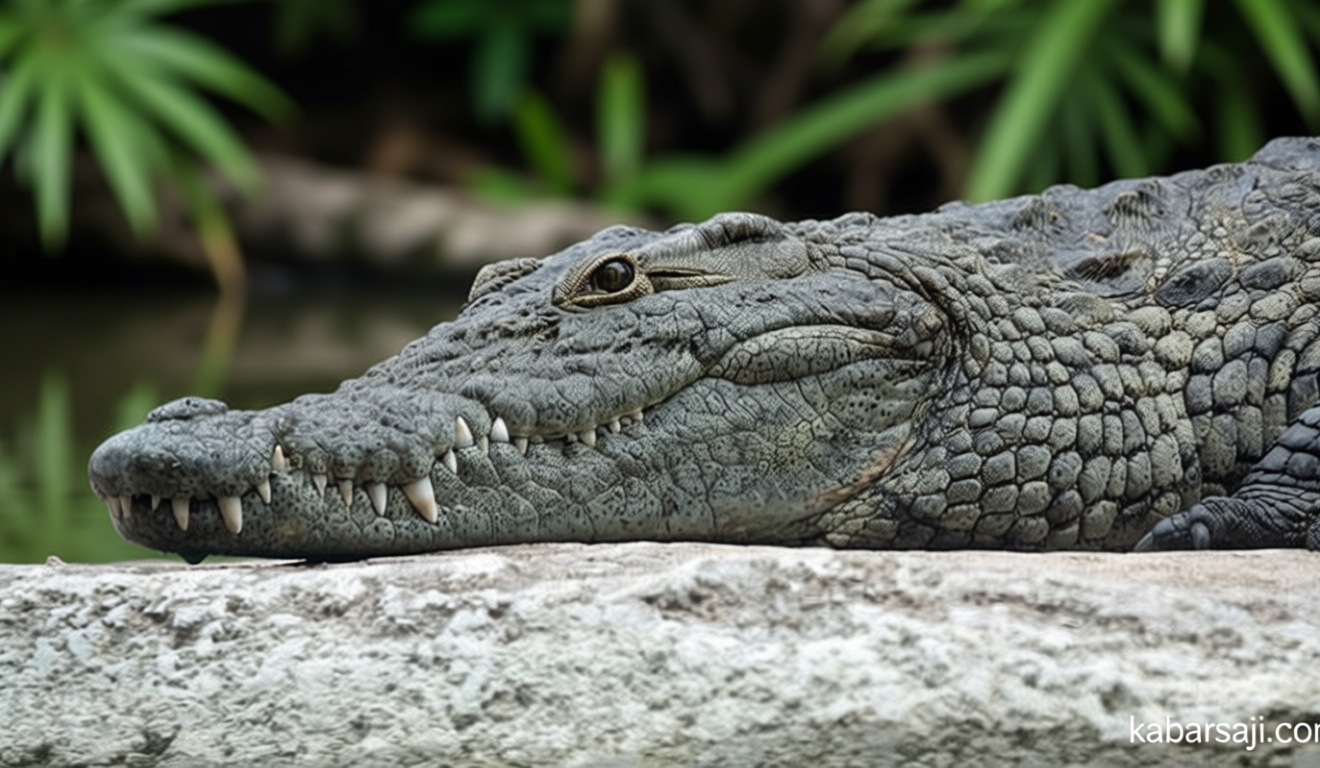
Israel Clears Way for Crocodiles to Stop – Israel has officially reclassified Nile crocodiles as valuable security assets, marking a significant shift in the country’s approach to prison safety. This decision, announced by Environment Minister Idit Silman, opens the door for the deployment of crocodiles in Israeli correctional facilities to deter inmate escapes. The initiative, dubbed a “unique security innovation,” draws inspiration from the U.S. migrant detention center in Florida, which is famously known as “Alligator Alcatraz.” By leveraging the natural predatory instincts of crocodiles, officials aim to create a more formidable barrier against unauthorized exits, particularly in high-risk areas. The focus keyword “Israel Clears Way for Crocodiles” underscores the government’s commitment to integrating these reptiles into the nation’s security framework.
Reclassification and Strategic Deployment
Under the new regulatory framework, crocodiles are no longer classified as wild animals but as “cultivated wild animals,” a designation that allows them to be bred and trained for specific tasks. This reclassification is a key step in enabling approved security organizations to maintain and deploy crocodiles in prisons. The Israel Prison Service, which operates under the leadership of far-right minister Itamar Ben-Gvir, is anticipated to be the primary agency utilizing the animals. The strategy involves using crocodiles in high-traffic areas such as cell blocks, ensuring that their presence acts as a deterrent to potential escapees. While the plan has been met with mixed reactions, its proponents argue that it offers a novel and effective method to enhance security in a cost-efficient manner.
The concept of using crocodiles in prison settings is not entirely new, though its implementation in Israel is a bold move. The government has emphasized that the animals will be kept in controlled environments, equipped with barriers and monitored by trained personnel. This ensures that crocodiles are not a threat to staff or other inmates. The Israel Nature and Parks Authority, which initially raised concerns about the project, has since agreed to a phased approval process. The ministry’s decision includes provisions for regular assessments of the crocodiles’ behavior and environmental impact, balancing innovation with ecological responsibility. With this approval, the first trials are expected to begin at Ketziot Prison in southern Israel, where the program is being tested for its practicality and effectiveness.
Public Reaction and Skepticism
While the idea of deploying crocodiles in prisons has sparked intrigue, it has also generated considerable skepticism. Critics argue that the use of such large and potentially dangerous animals in confined spaces may lead to unforeseen challenges. For instance, the Israel Nature and Parks Authority warned that crocodiles, even when bred in captivity, could escape into the surrounding environment, posing a risk to human safety and local ecosystems. Some prison staff have expressed concerns about the logistics of managing crocodiles, including their feeding schedules, maintenance requirements, and the need for specialized training. Despite these doubts, supporters of the initiative, including certain political factions, view it as a creative solution to an ongoing problem of inmate escapes, particularly among Palestinian detainees who are often targeted in high-profile breakouts.
Ben-Gvir, who has been a vocal advocate for the program, has framed the crocodile deployment as a symbolic and practical measure. In a recent Facebook post, he humorously remarked:
“Are you thinking of attempting to escape? Think again.”
The post featured an AI-generated image of him standing beside a crocodile on a leash, visually reinforcing the proposal’s intent. However, the political undertones of the plan have also drawn attention. Some analysts suggest that the initiative may be part of a broader effort to address security concerns in the context of the Israeli-Palestinian conflict. Regardless of its motives, the project has become a talking point in media and public discourse, with debates focusing on its viability and long-term impact.
Implementation and Training Process
The rollout of the crocodile security program involves a meticulous training process to ensure the animals are well-prepared for their roles. Experts from the Israel Wildlife and Nature Reserves Authority have been consulted to develop protocols for breeding, housing, and monitoring the crocodiles. Training sessions will teach the reptiles to recognize human presence and react accordingly, with the goal of minimizing incidents of aggression or confusion. Additionally, staff will undergo specialized training to handle the animals safely, including emergency response procedures in case of unexpected behavior. The Israel Prison Service has stated that the program will be implemented gradually, starting with a small number of crocodiles at Ketziot Prison, where the environment is deemed suitable for their introduction.
Once fully operational, the crocodile security initiative could serve as a model for other countries seeking alternative methods to enhance prison safety. The program’s success will depend on factors such as the crocodiles’ adaptability to the prison setting, their ability to deter escape attempts without causing harm, and the overall cost-effectiveness of the approach. Officials have estimated that each crocodile will require an annual budget of approximately $10,000 for upkeep, which includes specialized enclosures, food, and monitoring equipment. While some view this as a pioneering step in security innovation, others question whether the investment is justified, especially in light of the potential risks and challenges associated with the program.
As the project progresses, its implications for both security and animal welfare will be closely scrutinized. The integration of crocodiles into prison operations raises questions about how these animals will be treated, their living conditions, and the ethical considerations involved. Some animal rights groups have called for greater transparency, insisting that the crocodiles should be given adequate space and enrichment to thrive. Meanwhile, supporters argue that the benefits of enhanced security outweigh these concerns, particularly in facilities with a history of escape incidents. With “Israel Clears Way for Crocodiles” as a central theme, the initiative reflects a growing trend of using unconventional methods to address traditional security challenges, setting a precedent for future innovations in the field.