
Indonesia Has Halted Diesel Imports Since July 2026, Prabowo Claims
sed Diesel Imports in July 2026, Says Prabowo Indonesia Has Halted Diesel Imports Since July 2026, according to claims by President Prabowo Subianto during a
Indonesia Ceased Diesel Imports in July 2026, Says Prabowo
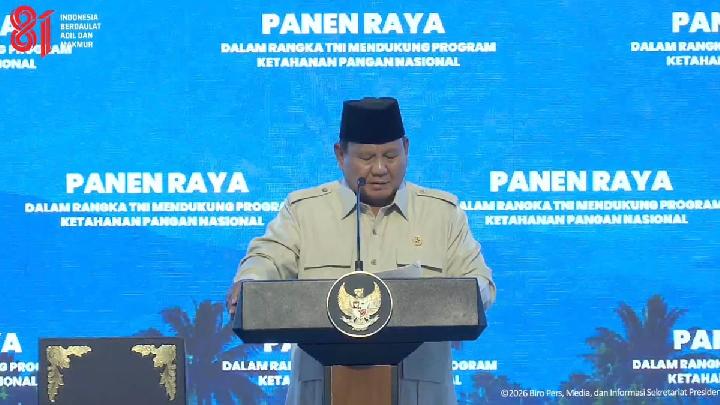
Indonesia Has Halted Diesel Imports Since July 2026, according to claims by President Prabowo Subianto during a public address at the TNI Harvest Festival. The announcement, made at Abdulrachman Saleh Air Force Base in Malang, East Java, marks a pivotal shift in the nation’s energy strategy. Prabowo stated that this move was driven by Indonesia’s successful production of B50 biodiesel—a high-octane fuel blend containing 50% palm oil—which has significantly bolstered the country’s energy independence. The decision to stop importing diesel underscores a broader effort to reduce reliance on fossil fuels and prioritize sustainable, domestically sourced energy alternatives.
The Breakthrough of B50 Biodiesel Production
The government’s push for B50 biodiesel began several years ago, with the first pilot projects launched to test the viability of blending palm oil into diesel. By July 2026, Indonesia had achieved a milestone by becoming the first nation globally to fully commercialize and scale B50 production. This breakthrough is attributed to advancements in biofuel technology and the strategic support of the Indonesian government. B50, which combines palm oil with conventional diesel, has been praised for its ability to reduce carbon emissions while maintaining the performance and efficiency of traditional diesel fuel. Prabowo highlighted this achievement as a testament to Indonesia’s commitment to sustainable development and energy security.
“Previously, we succeeded in becoming the first country in the world to produce B50. We are now producing diesel from palm oil. So, starting this July, we no longer import diesel from abroad,”
Prabowo emphasized during his speech, which was broadcast live by the Presidential Secretariat. The president’s remarks reflect the country’s transition from a net importer of diesel to a producer capable of meeting its domestic energy needs. This shift is expected to have a ripple effect on the economy, redirecting funds that were once spent on overseas fuel purchases to support local industries and infrastructure.
Broader Implications for Domestic Energy Strategy
Indonesia’s decision to halt diesel imports since July 2026 is part of a larger plan to enhance energy self-sufficiency. The government has been investing heavily in renewable energy sources, including biofuels and solar power, to diversify the nation’s energy mix and reduce dependency on imported oil. By leveraging its abundant palm oil resources, Indonesia aims to position itself as a global leader in sustainable energy solutions. This move also aligns with international climate goals, as biofuels are considered a cleaner alternative to fossil fuels. Prabowo’s administration has been working closely with energy experts and industry stakeholders to ensure the smooth transition to locally produced fuels.
Among the key initiatives supporting this energy shift is the expansion of bioethanol production. While Indonesia currently operates only one bioethanol plant, the government has announced plans to increase capacity, with a target of achieving a 10% ethanol blend in gasoline (E10) by the end of 2026. Prabowo acknowledged that further progress is needed to reach higher ethanol concentrations, such as E20, which would require additional infrastructure and policy adjustments. The president also emphasized the importance of public-private partnerships in accelerating these efforts, ensuring that the benefits of energy independence are widely shared across the country.
Economic and Environmental Benefits of the Policy
The halt of diesel imports since July 2026 is anticipated to have significant economic benefits. By producing diesel domestically, Indonesia can reduce its foreign exchange outflows, which have historically been a drain on the country’s economy. This, in turn, allows for greater financial flexibility in investing in other critical sectors such as education, healthcare, and technology. Additionally, the policy is expected to boost the palm oil industry, which has faced challenges due to fluctuating global demand and environmental concerns. Prabowo stated that the initiative would provide a stable market for palm oil farmers, ensuring sustainable livelihoods and supporting rural development.
Environmentally, the shift to B50 biodiesel is seen as a step toward reducing greenhouse gas emissions. Palm oil, while controversial for its impact on deforestation, is considered a renewable resource with a lower carbon footprint compared to petroleum-based diesel. Prabowo’s administration has pledged to balance environmental sustainability with economic growth, ensuring that the production of palm oil for biofuels adheres to strict ecological standards. This approach not only addresses energy security but also contributes to Indonesia’s climate change mitigation efforts, positioning the nation as a pioneer in the use of biofuels.
The success of Indonesia’s B50 biodiesel program has drawn attention from international energy markets, with experts acknowledging the country’s leadership in the field. While challenges such as production costs and logistics remain, the government has been proactive in addressing these issues through targeted investments and regulatory support. The policy’s impact on the global diesel market is still being assessed, but early indicators suggest a potential shift in demand for Indonesian biofuels. Prabowo’s claims about the halt of diesel imports since July 2026 have sparked both optimism and scrutiny, as stakeholders evaluate the long-term feasibility of this energy strategy.