
11.5 Million Indonesian Children Have Experienced Violence, NGO Says
olence, NGO Says 11 5 Million Indonesian Children Have - According to a recent report by Save the Children Indonesia, a staggering 11.5 million children in
11.5 Million Indonesian Children Have Experienced Violence, NGO Says
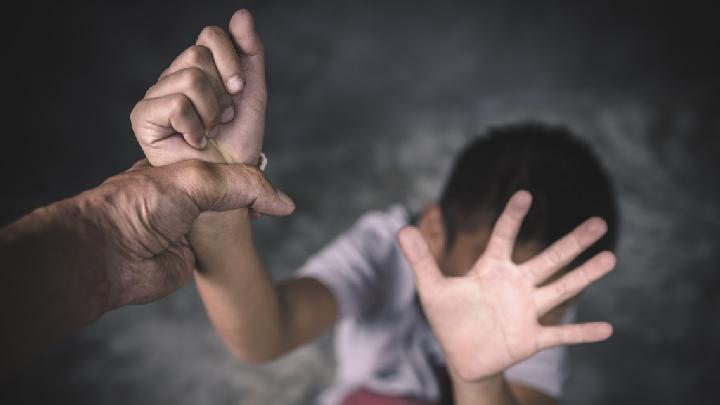
11 5 Million Indonesian Children Have – According to a recent report by Save the Children Indonesia, a staggering 11.5 million children in the country have faced some form of violence. This figure underscores a growing crisis that affects the well-being and development of young Indonesians across various dimensions. The data, released during a media event in Jakarta on July 14, highlights the urgent need for comprehensive strategies to protect children from abuse, neglect, and exploitation. The organization’s findings emphasize that this issue is not isolated but interconnected with broader challenges like poverty, limited educational access, and the increasing role of digital platforms in child safety.
Rising Digital Vulnerabilities
The rapid integration of technology into daily life has exposed a new generation of children to digital risks that were previously unimaginable. Over 75% of Indonesian children aged 5 to 17 now use mobile phones regularly, with nearly 74% having access to the internet. This surge in connectivity has created an environment where cyberbullying, online harassment, and digital exploitation are becoming more prevalent. Tata Sudrajat, the Senior Director for Advocacy at Save the Children Indonesia, noted that these digital threats have significantly increased the likelihood of children experiencing harm in virtual spaces. “The expansion of internet access is a double-edged sword,” he explained, “as it opens doors to opportunities but also exposes children to new forms of violence that require immediate attention.”
Poverty and Child Labor as Key Contributing Factors
Save the Children Indonesia also highlighted the persistent link between child poverty and the incidence of violence. The Ministry of Women’s Empowerment and Child Protection reported that 11.44% of children under 17 in Indonesia still live below the poverty line. This economic hardship not only affects their daily lives but also heightens their vulnerability to abuse and exploitation. Children in impoverished households are more likely to be involved in child labor, which often leads to physical and emotional strain. Additionally, 4.58% of toddlers receive inadequate care, while 3.06% of children do not live with both parents or primary caregivers. Around 1.37% are classified as abandoned, contributing to the country’s high number of orphanages and highlighting the systemic challenges faced by vulnerable children.
Child poverty is further compounded by limited access to education and healthcare, which are critical for long-term development. Many families prioritize immediate survival needs over investing in their children’s futures, leading to early school dropouts and a cycle of disadvantage. “When children are forced to work instead of learning, their potential is stifled,” Tata said. “This not only affects their immediate well-being but also sets them on a path of lifelong challenges.”
Education Disparities and Their Consequences
Despite Indonesia’s high primary education net enrollment rate of 97.94%, participation rates drop significantly in higher grades. Only 81.73% of children progress to junior secondary education, and 64.32% reach senior secondary levels. These disparities create a divide in opportunities, with children from disadvantaged backgrounds often falling behind. The 11.5 million Indonesian children at risk of violence are disproportionately represented in these education gaps, as they may face additional barriers such as inadequate resources, unsafe environments, and limited support systems. “Unequal access to education has led to high dropout rates, especially among children who have already experienced violence,” Tata stated, stressing the importance of addressing these intertwined issues.
Education is not just about acquiring knowledge—it is a foundation for building resilience and breaking cycles of poverty. However, for many 11.5 million Indonesian children, the journey from primary to secondary education is fraught with challenges. In rural areas, for instance, the lack of infrastructure and qualified teachers exacerbates the problem. Meanwhile, in urban centers, the pressure to work or support families can lead to early exits from school. “Children who are exposed to violence are more likely to struggle academically and emotionally,” Tata explained, calling for targeted interventions to ensure every child has the chance to thrive.
Impact of Natural Disasters on Child Safety
Indonesia’s frequent natural disasters add another layer of complexity to the protection of children. The country recorded 4,727 disasters in 2025, many of which disrupted access to essential services like education and healthcare. These events often damage schools, healthcare facilities, and homes, leaving children without the support they need. For example, in regions like North and West Sumatra, as well as Aceh, children continue to face the aftermath of recent disasters, which have compounded existing vulnerabilities. “When disasters strike, the safety and rights of children are often the first to be compromised,” Tata warned, emphasizing the need for disaster resilience programs that prioritize child protection.
The intersection of natural disasters and violence is particularly concerning for 11.5 million Indonesian children. In disaster-prone areas, children may be forced to relocate, increasing their exposure to new environments where exploitation and abuse are more likely. “Children who are already at risk of violence are even more susceptible to harm during crises,” Tata said. “We must ensure that their basic needs and rights are safeguarded, regardless of external shocks.”
“This situation increases the risk of online violence against children,” Tata noted, citing rising worries about cyberbullying, digital exploitation, and other forms of internet-based harm. “We are witnessing a surge in digital threats that affect the mental health and safety of the 11.5 million Indonesian children who are already facing multiple challenges in their lives.”
Save the Children Indonesia’s findings also shed light on the long-term consequences of child violence. Beyond the immediate physical and emotional trauma, the impact ripples into adulthood, affecting employment prospects, social relationships, and overall quality of life. “Children who experience violence are more likely to face difficulties in their personal and professional lives later,” Tata added. “This calls for a holistic approach that addresses both the root causes and the effects of violence on young Indonesians.”