Why Merak Ferry Operators Demand Fare Hikes
Why Merak Ferry Operators Demand Fare Increases Why Merak Ferry Operators Demand Fare - Merak ferry operators are increasingly calling for higher fares to
Why Merak Ferry Operators Demand Fare Increases
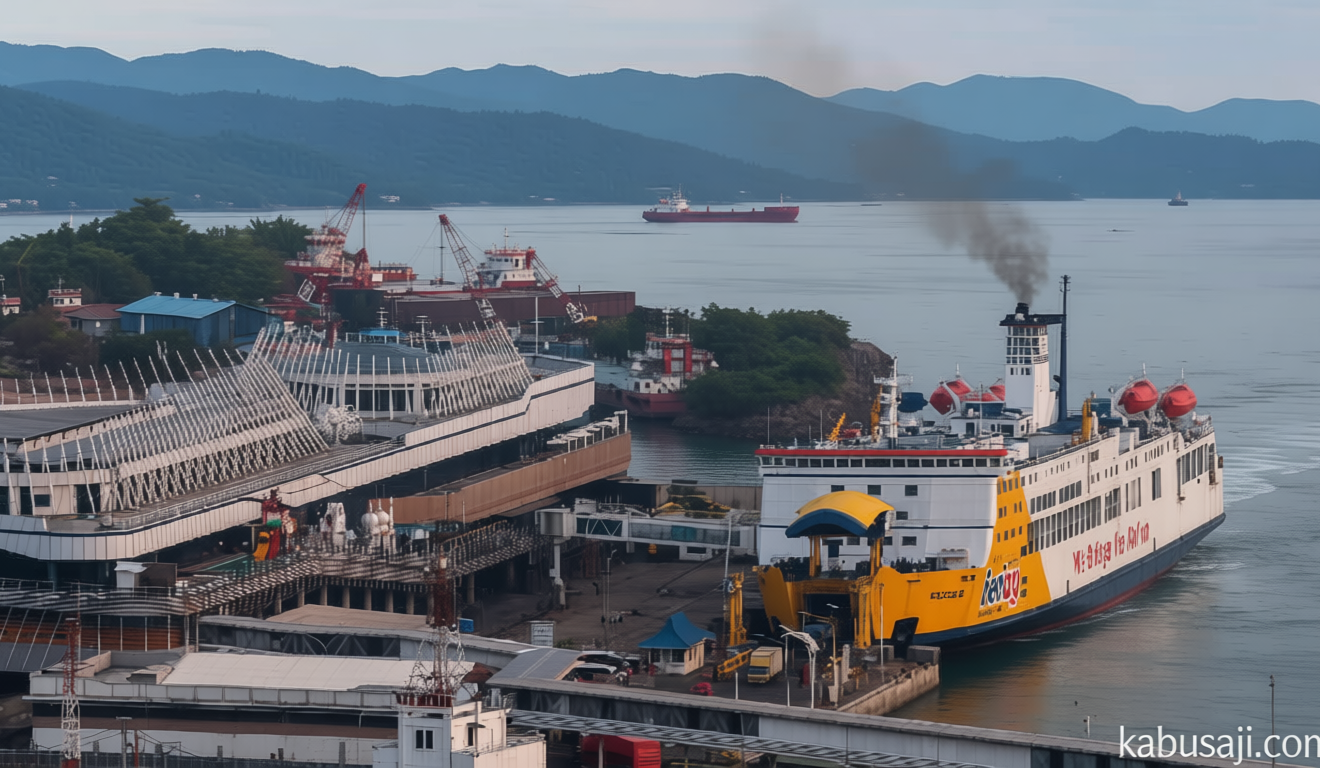
Why Merak Ferry Operators Demand Fare – Merak ferry operators are increasingly calling for higher fares to address mounting financial pressures, a demand that has sparked discussions among transportation authorities and policymakers. As reported by TEMPO.CO, Jakarta, the National Association of River, Lake, and Cross-Border Transportation Entrepreneurs (Gapasdap) has highlighted the urgent need for revised pricing structures to ensure the long-term viability of ferry services in the region. With operational costs rising sharply due to factors like currency fluctuations and inflation, operators argue that current fare levels are insufficient to cover essential expenses while maintaining safety and service standards. This demand underscores a growing concern within the maritime transport sector, as operators seek sustainable solutions to their economic challenges.
Rising Operational Costs and Economic Pressures
According to Togar Napitupulu, chairperson of Gapasdap’s Merak branch, the primary drivers of increased expenses include the fluctuating US dollar exchange rate, which has made imported ship components more expensive. This, combined with a 60 percent surge in fuel prices and a 30 to 40 percent rise in spare parts, has significantly strained operators’ budgets. Additionally, docking and classification renewal fees have climbed by approximately 20 percent, further compounding the financial burden. Togar emphasized that these costs are not just isolated incidents but part of a broader trend affecting the industry’s profitability.
“Present fare levels do not align with the operational costs that companies must cover. However, maintaining safety and service standards is non-negotiable,” Togar stated in a press release from Serang, Banten, on Saturday, June 20, 2026, as reported by Antara.
Business Sustainability and Regulatory Challenges
Gapasdap’s analysis reveals that existing rates are still 31.8 percent below the Cost of Goods Sold (COGS), a gap that has persisted despite growing economic challenges. Togar pointed out that operators are compelled to adhere to strict safety and service requirements under Law No. 17 of 2008, which leaves little room for cost-cutting measures. This legal framework, while critical for public safety, has become a double-edged sword as operators struggle to balance compliance with profitability. The association has been advocating for adjustments to the pricing model, arguing that without intervention, the industry could face operational shutdowns and a decline in service quality.
Merak ferry services are a vital link in Indonesia’s transportation network, connecting the island of Java to Borneo and supporting both commuter and cargo traffic. However, the recent reduction in ferry trips—driven by the entry of new vessels on the same route—has limited operators’ revenue potential. This trend has not only intensified competition but also forced existing companies to operate at a loss. The result is a precarious situation where operators are caught between rising costs and stagnant income, making fare increases a necessary but contentious step.
Proposed Solutions and Policy Recommendations
To mitigate these challenges, Gapasdap has proposed several measures aimed at easing the financial strain on ferry operators. These include aligning fares with COGS, which would ensure that pricing reflects actual costs, and implementing support programs such as eliminating Non-Tax State Revenue (PNBP), reducing fuel taxes, and lowering port and classification fees. Togar also suggested offering low-interest credit facilities, similar to those in neighboring countries, to help operators invest in maintenance and modernization. By addressing these issues, the association hopes to stabilize the sector and prevent further deterioration in service reliability.
Additionally, the association has called for a review of the current regulatory environment, arguing that outdated policies may hinder the industry’s ability to adapt to changing economic conditions. While some measures have been proposed, the government has yet to provide concrete responses or timelines for implementation. This delay has left operators in a difficult position, forcing them to make difficult decisions about whether to increase fares, reduce services, or seek alternative funding sources.
Broader Implications for the Maritime Sector
The situation in Merak is indicative of broader challenges facing Indonesia’s maritime industry, where rising operational costs are a common issue. Operators in other regions, such as the Strait of Malacca, have also expressed concerns about insufficient fares, prompting calls for nationwide reforms. If left unaddressed, the current pricing model could lead to a decline in ferry usage, increased reliance on alternative transportation, and a potential loss of market share for local operators. This would have ripple effects on the economy, affecting both passengers and freight businesses that depend on these services.
Experts suggest that the government should conduct a comprehensive review of the industry’s financial needs, incorporating input from operators and stakeholders. They also recommend exploring partnerships with private investors to modernize infrastructure and reduce dependency on public funding. By taking a proactive approach, policymakers could help ensure that ferry services remain accessible and affordable for the public while supporting the industry’s growth and stability. The demand for fare hikes, therefore, is not just a local issue but a reflection of the sector’s struggle to adapt to a rapidly evolving economic landscape.