How Jakarta Plans to End Open Dumping in Bantargebang
How Jakarta Plans to End Open Dumping in Bantargebang How Jakarta Plans to End Open - Jakarta’s municipal government has announced a comprehensive strategy to
How Jakarta Plans to End Open Dumping in Bantargebang
How Jakarta Plans to End Open – Jakarta’s municipal government has announced a comprehensive strategy to eliminate open dumping at the Bantargebang Integrated Waste Treatment Plant (TPST) by transitioning to a controlled landfill system. This initiative, set to begin on August 1, 2026, represents a critical milestone in the city’s commitment to sustainable waste management. The plan aims to address the long-standing issue of unregulated waste disposal, which has plagued Bantargebang for years, and replace it with a more structured approach that minimizes environmental damage and improves public health. By implementing this shift, Jakarta hopes to create a cleaner, safer, and more efficient waste management framework that serves as a model for other cities facing similar challenges.
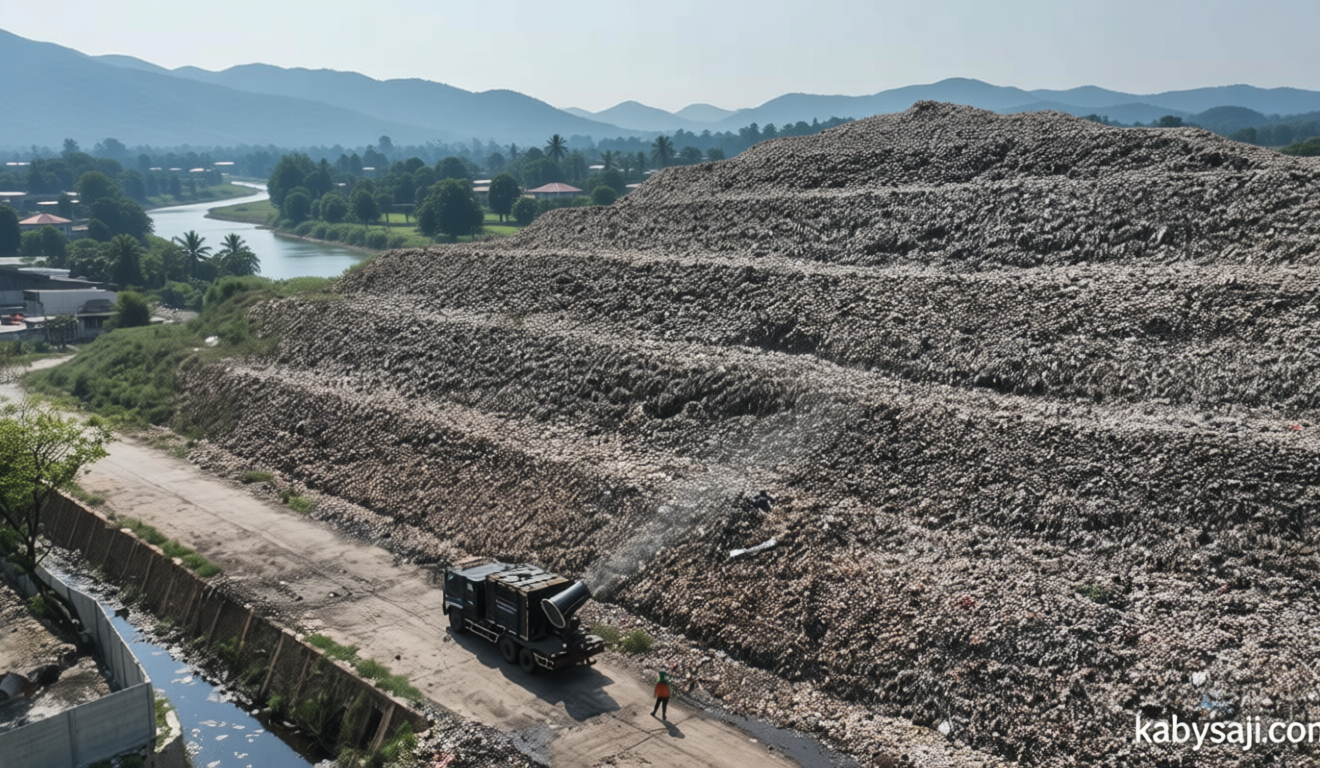
The decision to phase out open dumping is part of a broader effort to modernize Jakarta’s waste infrastructure. Bantargebang TPST, one of the city’s largest waste processing sites, has historically been a hub for informal waste disposal, with large areas of land used for uncontrolled dumping. This method not only leads to soil contamination and air pollution but also poses risks of fires and landslides, especially during the rainy season. The new controlled landfill system will involve compacting and covering waste with soil or other materials, significantly reducing these hazards. The process will also include regular monitoring to ensure compliance and track environmental improvements over time.
The Environmental and Social Challenges of Open Dumping
Open dumping in Bantargebang has long been a source of environmental degradation and public concern. The practice contributes to the accumulation of toxic waste, which leaches harmful chemicals into groundwater and soil, affecting local ecosystems and communities. Additionally, the unregulated nature of open dumping has led to increased air pollution, with methane emissions and foul odors creating health risks for nearby residents. The problem is compounded by the lack of proper waste segregation and the absence of recycling facilities, which results in a large portion of recyclable materials being discarded without value.
Residents of Bantargebang have reported health issues linked to the pollution from open dumping, including respiratory problems and skin irritations. The site also serves as a breeding ground for pests and mosquitoes, which spread diseases such as dengue and malaria. Furthermore, the informal waste collection system in the area has led to disparities in access to waste management services, with some communities facing greater challenges in waste removal. The transition to controlled landfills is expected to mitigate these issues and create a more equitable system for all residents.
Implementation Steps and Community Engagement
The phased transition to controlled landfill operations will take place over several months, with the initial phase starting on August 1, 2026. During this time, the government will work closely with local communities to ensure smooth implementation and address concerns. Public awareness campaigns will be launched to educate residents on the importance of the change and how it will benefit their health and environment. These efforts will include workshops, informational pamphlets, and direct communication with community leaders to foster collaboration and trust.
How Jakarta Plans to End Open – The controlled landfill system will require significant investment in infrastructure and technology. New layers of soil and compost will be added to the existing site to cover waste, while advanced machinery will be used to compact materials and manage the site efficiently. The government has also partnered with private companies to enhance waste processing capabilities, ensuring that a larger portion of the waste stream is diverted from open dumping. These partnerships will play a crucial role in achieving the city’s environmental goals and maintaining the momentum of the transition.
Long-Term Vision for Waste Management
Looking beyond the immediate transition, Jakarta’s long-term vision for waste management includes expanding recycling facilities and promoting waste-to-energy projects. The city aims to reduce the reliance on landfills by increasing the percentage of waste processed through specialized systems, such as mechanical biological treatment (MBT) and anaerobic digestion. These technologies will not only reduce the volume of waste but also generate renewable energy, contributing to the city’s sustainability targets. The Bantargebang TPST is expected to serve as a central hub for these initiatives, integrating both waste processing and energy production.
The government has also emphasized the importance of public participation in achieving this vision. Encouraging residents to separate their waste at home and participate in recycling programs will be key to the success of the new system. By fostering a culture of waste awareness and responsibility, Jakarta hopes to reduce the burden on the landfill and create a more sustainable approach to waste management. The phased implementation allows for adjustments based on feedback, ensuring that the system evolves to meet the needs of the community and the environment.
“The shift from open dumping to controlled landfill operations is not just about managing waste; it’s about transforming how we live with it,” said Dudi Gardesi, Head of the Jakarta Environmental Agency. “This initiative will ensure that waste is handled in a way that protects both the environment and the health of our citizens.”
As the implementation of the controlled landfill system progresses, Jakarta will continue to monitor its impact and make necessary improvements. The success of this project will depend on the collaboration between government agencies, private sector partners, and the local community. By addressing the root causes of open dumping and investing in modern waste management solutions, the city is taking a significant step toward a cleaner, healthier, and more sustainable future for Bantargebang and beyond.