
BGN Absorbed Only 66 Pct of 2025 Free Meal Budget
et BGN Absorbed Only 66 Pct of 2025 - According to recent reports, the National Nutrition Agency (BGN) has absorbed only 66% of the allocated budget for the
BGN Absorbed Only 66 Pct of 2025 Free Meal Budget
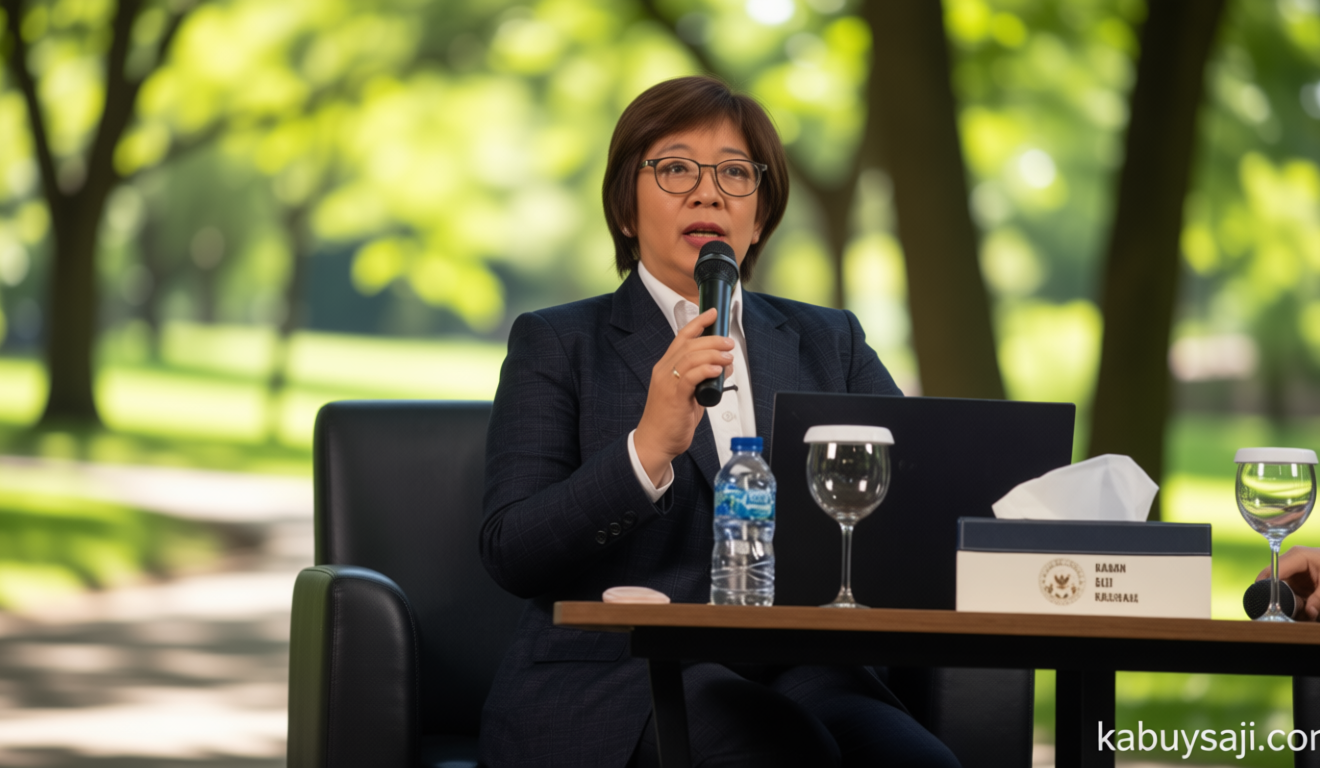
BGN Absorbed Only 66 Pct of 2025 – According to recent reports, the National Nutrition Agency (BGN) has absorbed only 66% of the allocated budget for the 2025 Free Nutritious Meals (MBG) initiative. This revelation came during a session held by the House of Representatives’ Commission IX in Jakarta on July 17, 2026, where Deputy Head Agustina Arumsari provided an update on the program’s financial progress. The agency’s current leadership, under the guidance of Dadan Hindayana, highlighted concerns over budget efficiency and the need for improved planning to ensure the funds are utilized effectively. The focus keyword BGN Absorbed Only 66 Pct underscores a critical issue in the execution of the 2025 fiscal year’s MBG program, raising questions about its long-term impact on public welfare.
Program Overview and Budget Allocation
The MBG program was designed to provide essential nutritional support to vulnerable populations across Indonesia, with the 2025 fiscal year budget totaling Rp71 trillion. This allocation was intended to cover the operational costs of distributing meals, infrastructure development, and administrative expenses. However, as of the latest assessment, the BGN has only absorbed 66% of this budget, leaving a significant portion unspent. Arumsari emphasized that this underutilization could affect the program’s ability to meet its annual targets, particularly in rural and underserved regions where the initiative is most needed.
Despite the substantial investment, the rate of fund absorption has remained stagnant, prompting discussions about the reasons behind the low usage. Arumsari pointed out that the initial expansion request, which sought an additional Rp14 trillion, played a role in the budget’s partial absorption. The agency had proposed this increase to accommodate new initiatives, such as expanding the number of beneficiaries and upgrading meal quality. However, the decision to pursue additional funding despite the existing budget being underused has drawn criticism from stakeholders, who argue that the program’s execution could be optimized with better coordination.
Unpaid Liabilities and Capital Projects
Alongside the budget absorption issue, the BGN’s 2025 financial report also revealed outstanding payments totaling Rp1.6 trillion. These liabilities, primarily stemming from capital projects and asset purchases, include the construction of kitchens essential for meal preparation under the MBG program. Arumsari stated that the remaining funds would be addressed through the 2026 Budget Implementation List, a strategy aimed at resolving the underutilized budget and ensuring continuity. The bulk of the unpaid obligations, amounting to Rp1.04 trillion, relates to infrastructure development, which is a cornerstone of the program’s sustainability.
The low absorption rate has sparked debates about administrative efficiency and planning accuracy. Arumsari explained that the state treasurer mandated specific provisions for such unpaid liabilities, requiring thorough prior scrutiny. This process is currently managed by the agency’s internal inspectorate and the Financial and Development Supervisory Agency. While these measures are in place to address the issue, critics argue that the delay in utilizing funds could lead to budgetary inefficiencies and reduced public trust in the program’s management. The focus keyword BGN Absorbed Only 66 Pct has become a central point of discussion in parliamentary sessions and public forums, emphasizing the need for accountability.
Efforts to streamline the budget execution are underway, with the BGN collaborating closely with the Directorate General of Budget to revise the financial plan. Arumsari highlighted that the agency is working to allocate the remaining funds more effectively, ensuring that they are directed toward priority areas such as meal distribution and infrastructure upgrades. This includes reevaluating the budget to address gaps in the 2025 program and prevent similar issues in future fiscal years. The challenge lies in balancing the expansion of services with the need to absorb the allocated budget efficiently, a task that requires transparent financial management and stakeholder engagement.
Analysts suggest that the underutilized budget may reflect broader systemic challenges in public spending. While the BGN has taken steps to clarify the situation, the 66% absorption rate highlights the importance of aligning budget forecasts with actual expenditures. The agency’s financial report also underscores the necessity of monitoring capital projects to ensure timely completion and prevent further delays. As the program moves forward, the focus keyword BGN Absorbed Only 66 Pct will likely remain a key indicator of its progress, prompting ongoing evaluations by both the government and civil society organizations.
With the 2025 MBG program nearing its conclusion, the BGN faces the challenge of demonstrating improved fiscal management. Arumsari’s remarks during the parliamentary session emphasized the agency’s commitment to addressing the underutilized budget and resolving outstanding liabilities. The remaining funds are expected to be reallocated in the 2026 Budget Implementation List, which will include targeted measures to enhance the program’s reach and efficiency. This approach aims to ensure that the BGN Absorbed Only 66 Pct of the 2025 budget does not hinder the program’s ability to meet its nutritional goals in the coming year.