
Bahlil Assures No Planned Blackouts Amid PLN Coal Supply Concerns
Bahlil Assures No Planned Blackouts Amid PLN Coal Supply Concerns Government Commitment to Energy Stability Bahlil Assures No Planned Blackouts Amid
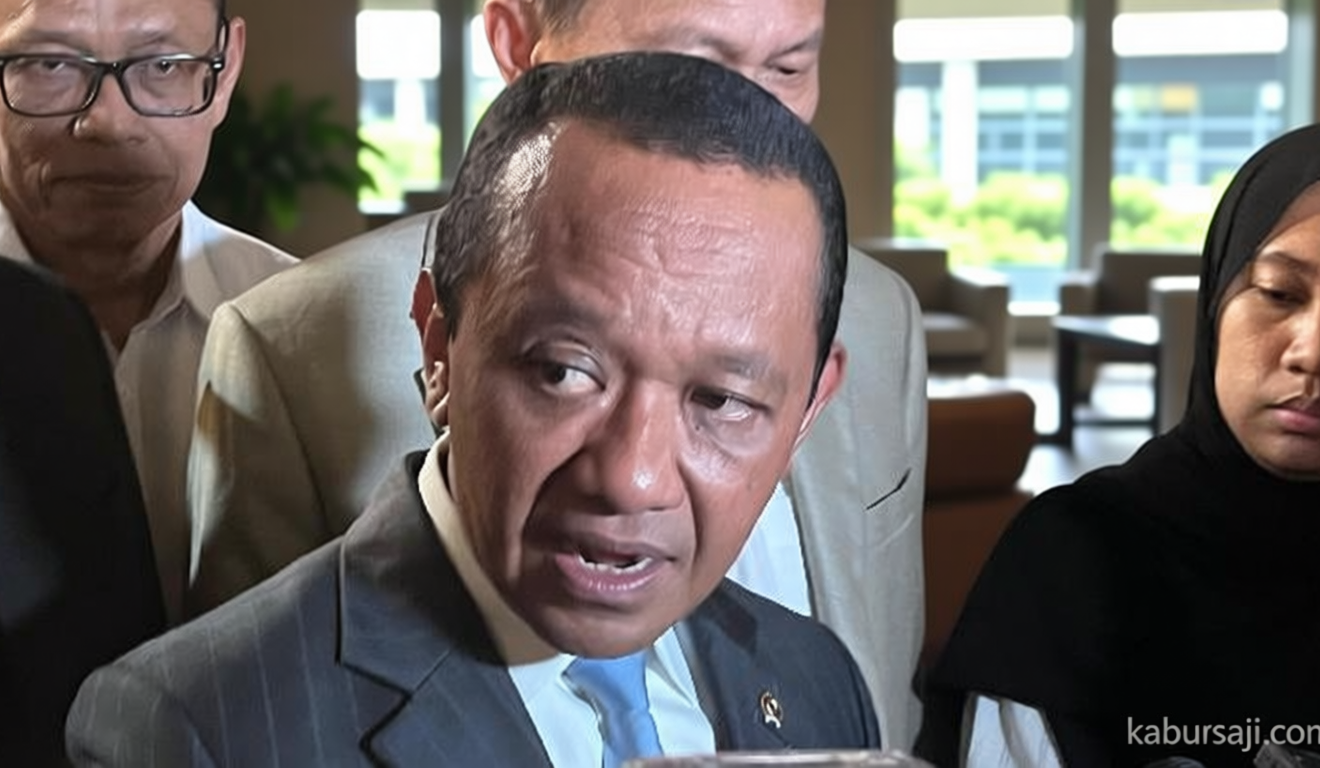
Bahlil Assures No Planned Blackouts Amid PLN Coal Supply Concerns
Government Commitment to Energy Stability
Bahlil Assures No Planned Blackouts Amid – Indonesia’s Energy and Mineral Resources Minister, Bahlil Lahadalia, has reaffirmed that the country will not implement planned blackouts in the near future, despite ongoing challenges with securing sufficient medium-calorie coal for power generation. This assurance comes amid growing concerns about the reliability of electricity supply, particularly in Java, where rolling blackouts have been reported. Bahlil’s statement, delivered at the Coordinating Ministry for Economic Affairs office in Jakarta on Thursday, emphasizes the government’s proactive approach to mitigating disruptions in the national power grid.
PLN’s Pricing Dilemma
Bahlil highlighted that the primary issue affecting PLN’s coal supply is not a shortage of coal but a pricing disparity between the government-set reference price and the market rate. While the Domestic Market Obligation (DMO) scheme requires coal producers to sell at US$70 per ton to PLN, the reference price for high-calorie coal in June 2026 is US$121.83 per ton, and medium-calorie coal is priced at US$84.53 per ton. This gap has led to a reduced availability of medium-calorie coal, as producers prioritize higher-paying market transactions over the fixed DMO rates.
“God willing, no,” Bahlil told reporters during a briefing, addressing potential power outages head-on. His remarks underscore the ministry’s confidence in maintaining energy stability through coordinated efforts with key economic stakeholders.
The minister also reiterated that coal assignments have reached 170 million tons, ensuring that the supply chain remains robust. However, PLN’s annual demand for coal is estimated at 154 million metric tons, with contracts covering 134 million tons. This leaves a shortfall of approximately 20 million tons, which the government is actively addressing through a specialized procurement team.
Strategic Measures to Address Coal Shortfall
To bridge the coal demand gap, the Energy Ministry has formed a dedicated procurement team involving PLN, the Directorate General of Mineral and Coal, and the Financial and Development Supervisory Agency (BPKP). This collaboration aims to streamline the supply process and prevent any further escalation of energy-related issues. “We’ve formed this team to oversee primary energy supply and prevent the situation from worsening,” Bahlil stated, emphasizing the urgency of the task.
President Prabowo Subianto has also directed agencies to coordinate efforts in fulfilling PLN’s coal needs. The minister’s reassurance aligns with the administration’s broader strategy to ensure uninterrupted energy services, which are critical for supporting industrial activities and daily life across the nation. By addressing the pricing structure, the government seeks to balance the interests of coal producers and PLN while maintaining stability in the electricity market.
Implications for the National Economy
The coal supply concerns have broader implications for Indonesia’s economic growth, as electricity is a cornerstone of industrial and commercial operations. Bahlil’s assurance that no planned blackouts are imminent aims to alleviate fears among businesses and households reliant on consistent power. The government’s intervention through the DMO scheme and the procurement team signals a commitment to resolving the issue before it impacts energy availability.
Analysts suggest that the pricing structure must be adjusted to incentivize coal producers to allocate more supply to PLN. Bahlil acknowledged that this challenge requires careful negotiation to align market prices with the company’s operational needs. “Our coal assignments have reached 170 million tons,” he noted, adding that the government is working to ensure this supply is efficiently distributed to meet energy demands.
“The price gap has reduced medium-calorie coal availability, as producers prefer selling at market rates,” Bahlil explained during a meeting with the House of Representatives Commission XII on Monday. This statement highlights the need for a more flexible pricing model to secure adequate coal supply for power generation.
With the nation’s energy security at stake, Bahlil’s reassurances provide a critical boost to public and investor confidence. The government’s strategic measures, combined with ongoing negotiations and procurement initiatives, aim to stabilize the coal supply chain and prevent any disruption to electricity services. As the country prepares for potential fluctuations in coal markets, the focus remains on ensuring that Indonesia’s energy needs are met without compromising its economic and social development goals.