
Prabowo Says Masela LNG Project Was Awaited for Three Decades
Prabowo Says Masela LNG Project Was Awaited for Three Decades Prabowo Says Masela LNG Project Was Awaited - Indonesia’s former President Prabowo Subianto
Prabowo Says Masela LNG Project Was Awaited for Three Decades
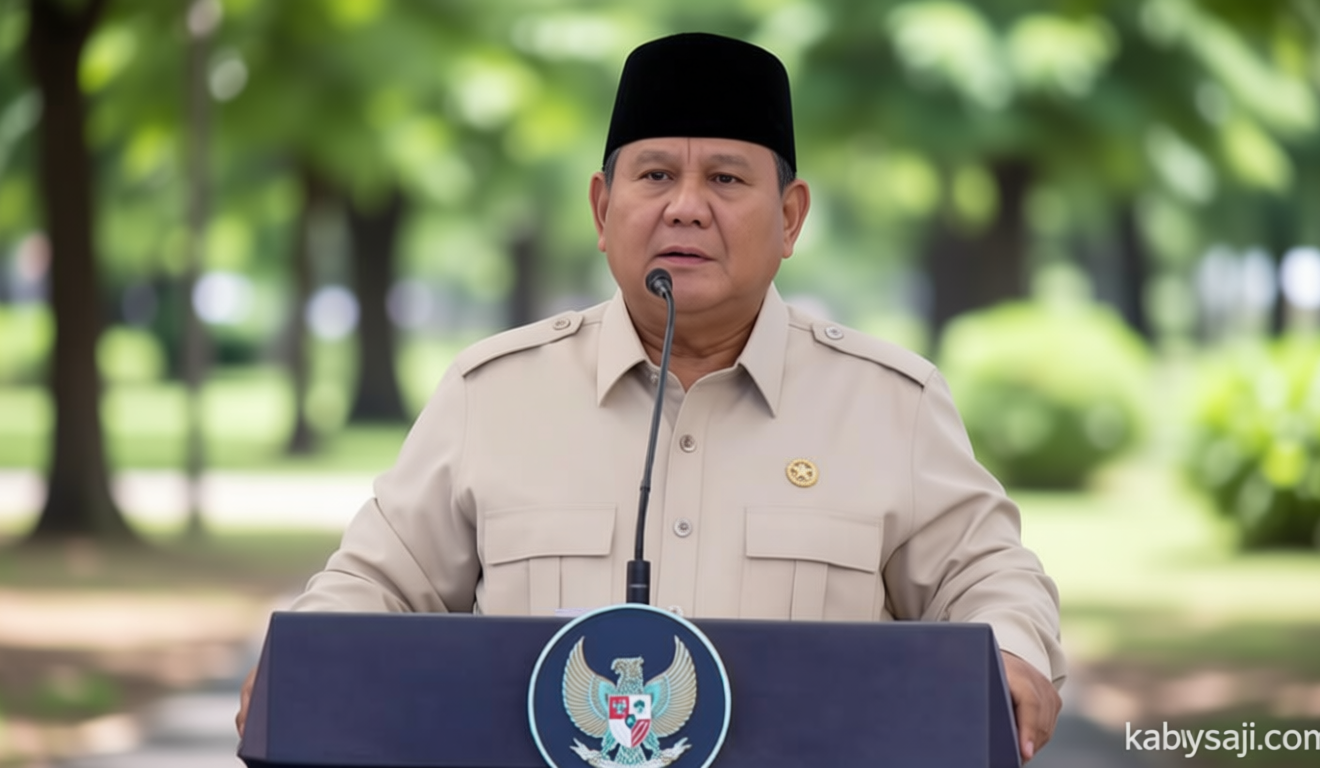
Prabowo Says Masela LNG Project Was Awaited – Indonesia’s former President Prabowo Subianto recently emphasized the historical significance of the Masela LNG project during a virtual address at the Merdeka Palace in Jakarta. Speaking about the long-awaited initiative, he noted that the project had been a focal point of national energy planning for over 28 years, marking a major milestone in the country’s quest to enhance energy self-sufficiency. The Masela LNG project, which is set to become a cornerstone of Indonesia’s energy infrastructure, has faced numerous challenges and delays but now stands on the brink of full development, reflecting the government’s renewed commitment to regional energy expansion.
“This strategic project is vital for our country. We’ve waited over 28 years to see it take shape. Alhamdulillah, today marks the start of its development,” Prabowo stated, highlighting the emotional and economic weight of the project’s realization. His remarks underscored the deep-rooted anticipation for the Masela LNG project, which has symbolized a shared goal among policymakers, investors, and local communities. The initiative, once a vision, is now transitioning into a tangible reality, promising to reshape Indonesia’s energy landscape for decades to come.
Historical Context and Project Background
The Masela LNG project, located in the Arafura Sea off the coast of Maluku, has been a central piece of Indonesia’s energy strategy since the early 2000s. Initially proposed to tap into the region’s vast natural gas reserves, the project was designed to supply energy to both domestic markets and international buyers. However, the path to completion was fraught with obstacles, including regulatory hurdles, funding constraints, and technical complexities. Prabowo’s mention of its three-decade anticipation highlights the persistent efforts to overcome these challenges, with the project serving as a testament to Indonesia’s determination to harness its natural resources efficiently.
Maluku, a region known for its rich biodiversity and strategic location, has long been a key player in Indonesia’s energy sector. The Masela LNG project is one of several initiatives aimed at capitalizing on the area’s hydrocarbon potential. Despite the region’s potential, the project’s development was delayed for years due to the need for robust infrastructure, environmental assessments, and stakeholder coordination. Prabowo acknowledged these hurdles, stating that the project’s finalization was the result of sustained collaboration between the government, private sector, and local communities.
Partnership and Investment Structure
The Masela LNG project is spearheaded by INPEX Masela Ltd., a joint venture between Japanese and Indonesian energy firms, with key partnerships from Malaysia’s Petronas and Indonesia’s Pertamina. This collaboration reflects the international interest in Indonesia’s energy resources and the country’s ability to attract foreign investment. The project’s estimated cost of US$20.9 billion is a significant investment, but Prabowo argued that the long-term benefits outweigh the initial financial commitment. He mentioned that the project would not only strengthen energy security but also create a ripple effect across the economy, particularly in the eastern regions.
As a flagship initiative under Indonesia’s National Strategic Projects (PSN), the Masela LNG project is expected to become a regional energy hub, supplying gas to domestic industries and export markets. Prabowo highlighted the project’s role in diversifying energy sources and reducing reliance on imported fuels. The development of such a large-scale project also aligns with Indonesia’s broader goals of transitioning to cleaner energy sources while maintaining its position as a key energy producer in Southeast Asia. With the project now entering its construction phase, there is renewed optimism about its potential to generate employment and boost local economies.
Strategic Importance and Future Prospects
Prabowo’s remarks at the event emphasized the strategic importance of the Masela LNG project for Indonesia’s energy future. He described it as a critical step toward achieving long-term energy security and reducing the country’s dependence on foreign oil. The project is expected to supply up to 15 million tons of LNG annually, which would significantly contribute to Indonesia’s energy mix. By leveraging its natural gas reserves, the country aims to meet growing domestic demand while positioning itself as a competitive player in the global LNG market.
Furthermore, the Masela LNG project is anticipated to create thousands of jobs during its construction and operational phases, providing economic opportunities for the local population. Prabowo noted that the project’s success would depend on effective coordination between the government and private sector, as well as community engagement. He also stressed the need for sustainable practices to ensure that the project benefits both the environment and future generations. As Indonesia continues to develop its energy infrastructure, the Masela LNG project serves as a pivotal example of how long-term planning and investment can lead to transformative outcomes.
Challenges and Progress
Despite its long-awaited status, the Masela LNG project has encountered several challenges throughout its development. These include navigating complex regulatory frameworks, securing sufficient funding, and addressing environmental concerns. Prabowo acknowledged these difficulties but expressed confidence in the project’s progress, citing the recent approval of key infrastructure plans and the commitment of all involved stakeholders. The project’s timeline, which has been delayed multiple times, is now on track for completion by the mid-2020s, with the first phase of operations expected to begin in the early 2020s.
Indonesia’s energy sector has faced a series of setbacks in recent years, but the Masela LNG project represents a turning point. Prabowo highlighted that the project’s successful implementation would not only stabilize energy supply but also stimulate economic growth in the eastern provinces. With its completion, the Masela LNG project is poised to become a major contributor to Indonesia’s energy independence, ensuring that the nation can meet its growing demand for natural gas while supporting regional development.