
BMKG Forecasts Cloudy Skies Across Indonesia’s Major Cities Today
BMKG Forecasts Cloudy Skies Across Indonesia's Major Cities Today BMKG Forecasts Cloudy Skies Across Indonesia - Indonesia's weather forecast for today, July
BMKG Forecasts Cloudy Skies Across Indonesia’s Major Cities Today
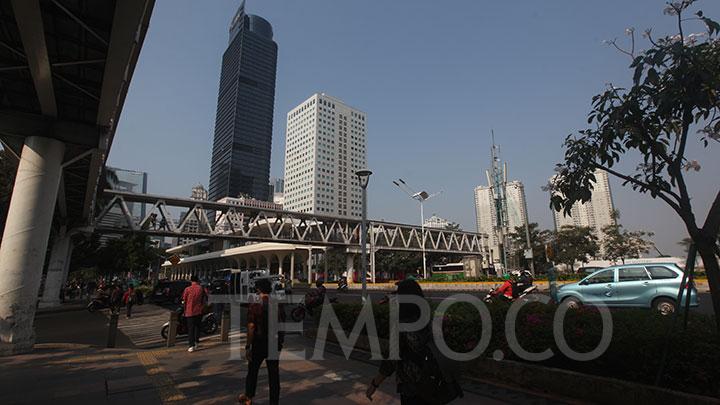
BMKG Forecasts Cloudy Skies Across Indonesia – Indonesia’s weather forecast for today, July 16, 2026, reveals that BMKG has predicted cloudy and partly cloudy conditions across key urban centers. This weather pattern is expected to affect major cities such as Jakarta, Banda Aceh, Jambi, and several others, with varying degrees of cloud cover throughout the day. The agency’s analysis highlights the influence of atmospheric convergence zones, which are currently shaping the weather dynamics across the archipelago. These zones, stretching from the western coast of Malaysia to the Strait of Malacca, the Andaman Sea, and the Natuna Sea, are playing a critical role in determining the overall climate outlook for the region.
Regional Weather Patterns and City-Specific Updates
BMKG’s forecast indicates that Jakarta will transition from sunny skies in the early morning to overcast conditions by the afternoon, creating a mix of weather throughout the day. In the Seribu Islands, partial cloud cover is anticipated, while cities like Banda Aceh and Jambi are expected to experience similar conditions. The agency also noted that coastal regions in Sumatra, including Medan and Pontianak, may see light drizzle, adding a layer of complexity to the weather scenario. Meanwhile, in eastern Indonesia, cities such as Denpasar, Mataram, and Kupang are projected to maintain sunny to partly cloudy skies, according to BMKG forecaster Ranika Dwi A.
For the western parts of the archipelago, BMKG highlighted potential for hazy conditions in Pekanbaru and Merauke, with Padang at risk of fog. These weather changes are attributed to localized atmospheric movements and interactions between sea breezes and inland air masses. The forecast underscores the need for residents to be aware of these variations, as they can impact daily activities, transportation, and outdoor events. The agency’s predictions are based on real-time data from satellite imagery, radar systems, and ground observations, ensuring accuracy and reliability.
Atmospheric Dynamics and Their Influence
BMKG’s analysis of wind convergence zones reveals their significance in creating the current weather conditions. These zones are formed when moist air masses meet and rise, leading to cloud formation and precipitation. The convergence of winds in the Strait of Malacca and the Andaman Sea has contributed to the formation of rain clouds, which are spreading across parts of the country. Additionally, the agency noted that similar patterns in the South China Sea and the Sulu Sea have influenced weather trends in regions such as Kalimantan and the eastern islands. This dynamic interplay between oceanic and terrestrial factors has resulted in a diverse weather outlook for Indonesia’s major cities.
The convergence zones are also impacting air quality in certain regions, particularly in urban areas where pollutants are trapped by cloud cover. BMKG warned that hazy conditions in Pekanbaru and Merauke may reduce visibility and affect respiratory health. In contrast, cities like Surabaya and Yogyakarta are expected to have clearer skies, making them favorable for outdoor activities. The agency recommends that individuals planning to travel or engage in public events should check local forecasts for updates, as conditions can shift rapidly due to the interplay of these atmospheric patterns.
As the weather continues to evolve, BMKG emphasized the importance of monitoring climate trends through official channels. The agency’s forecasts provide valuable insights into the distribution of cloud cover and precipitation, helping communities prepare for potential weather changes. For instance, the presence of light drizzle in Medan and Tanjung Pinang may require additional caution for drivers, while the risk of fog in Padang could affect early morning commutes. BMKG’s predictions also consider long-term climatic factors, ensuring that short-term forecasts are aligned with broader weather trends across Indonesia.
Weather patterns in Indonesia are often shaped by the monsoon season, which can influence cloud cover and rainfall. However, this week’s forecast appears to be more moderate, with cloud formations primarily due to localized wind patterns rather than seasonal shifts. BMKG pointed out that the movement of air masses from the west coast of Malaysia to the Natuna Sea has created a stable yet variable weather system. This stability is expected to continue for the next few days, with the potential for slight changes in cloud cover and humidity levels. The agency’s detailed reports provide a comprehensive view of how these atmospheric dynamics affect different regions.
Readers are encouraged to refer to BMKG’s official website for the most up-to-date information on weather conditions. The agency also provides regional forecasts that break down cloud cover, temperature ranges, and precipitation probabilities. These resources are essential for individuals and businesses planning their activities in Indonesia. For example, the hazy conditions in Merauke may prompt local authorities to issue health advisories, while the cloudy skies in Jakarta could impact air travel schedules. By staying informed through BMKG’s forecasts, residents can better adapt to the weather’s influence on their daily lives.
Click here to access the latest BMKG weather updates on Tempo. The agency’s predictions are part of a broader effort to support Indonesia’s climate resilience, particularly in regions prone to extreme weather events. By tracking cloud cover and humidity levels, BMKG helps mitigate the risks associated with sudden weather shifts, ensuring that urban centers remain prepared for any changes. This focus on regional weather dynamics highlights BMKG’s role as a critical resource for Indonesia’s climate awareness and preparedness.