
Super Typhoon Bavi Affects Millions Across China
ross China Super Typhoon Bavi Affects Millions Across China as the powerful storm unleashed unprecedented rainfall and strong winds, displacing thousands and
Super Typhoon Bavi Affects Millions Across China
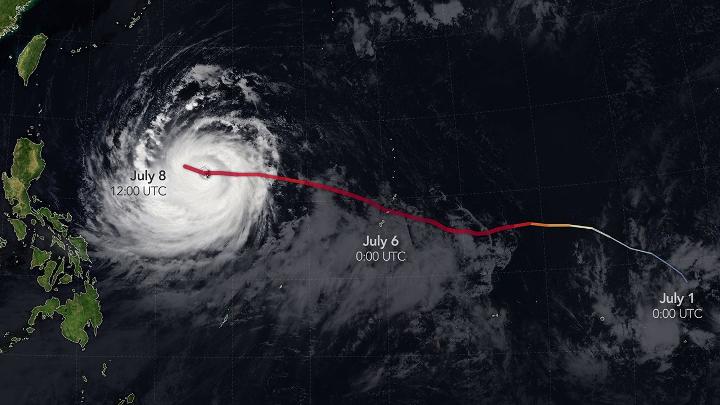
Super Typhoon Bavi Affects Millions Across China as the powerful storm unleashed unprecedented rainfall and strong winds, displacing thousands and disrupting daily life in several provinces. The tempest, which originated in the West Pacific Ocean, made landfall in Taizhou, Zhejiang Province, on the evening of July 11, 2026, triggering widespread chaos. With the focus keyword “Super Typhoon Bavi Affects Millions” embedded in the opening, the article highlights the storm’s immense scale and its far-reaching consequences. The Chinese government swiftly activated emergency alerts, mobilizing resources to mitigate damage and safeguard vulnerable communities.
According to the China Meteorological Administration, the storm reached its peak intensity shortly before making landfall, with sustained winds of up to 144 kilometers per hour and a massive 1,000-kilometer-wide eye. These conditions classified it as a “super typhoon” on the Saffir-Simpson Hurricane Wind Scale, a designation reserved for storms with wind speeds exceeding 118 kilometers per hour. The system’s sheer size and strength made it one of the most formidable weather events to strike East Asia in recent history, with its impact stretching far beyond coastal regions.
Regional Threats and Warnings
As Super Typhoon Bavi Affects Millions, the meteorological warnings were clear: the storm’s path would bring torrential rains and gusty winds to multiple regions. Forecasters warned that the storm’s rainfall bands, comparable in size to France’s total landmass, could lead to catastrophic flooding in low-lying areas. The risk of flash floods and landslides was particularly high, especially in mountainous regions and urban centers where drainage systems were overwhelmed. Local authorities issued urgent evacuation orders, urging residents to relocate to safer ground ahead of the storm’s arrival.
“Super Typhoon Bavi Affects Millions, with over 1,300 trees collapsing in Yueqing alone, as documented by Nikkei Asia on July 12, 2026,” reported the news outlet. CCTV footage from Taizhou captured streets turning into rivers, while mountainous regions in Zhejiang and Fujian saw alarming reports of rockslides and blocked roads. The intensity of the storm’s rainfall also raised concerns about the potential for secondary disasters, including the collapse of aging infrastructure and the spread of waterborne diseases in flood-affected zones.
Disruptions to Infrastructure
The devastation caused by Super Typhoon Bavi Affects Millions extended to China’s transportation and communication networks. In Hangzhou, two major railway stations were forced to shut down operations, leaving thousands stranded. Xiaoshan International Airport canceled 327 flights, while Shanghai experienced the loss of 1,620 train departures and 684 flights, as per The Paper. Roads were submerged, power outages spread across cities, and mobile networks faced intermittent connectivity, complicating rescue efforts. The scale of disruption underscored the storm’s ability to paralyze entire regions within hours.
As the storm continued to move northwestward, forecasters anticipated further rainfall and wind activity. This added to the challenges faced by local communities, with some areas reporting over 300 millimeters of rain within a 24-hour period. The situation in Zhejiang and Fujian provinces was particularly dire, as prolonged downpours turned fields into quagmires and submerged homes. Emergency response teams worked tirelessly to restore services, but the sheer magnitude of the damage made recovery a long-term effort.
Human Impact and Community Response
The human toll of Super Typhoon Bavi Affects Millions was significant, with reports of casualties and injuries in the aftermath. While the exact number of fatalities remained under investigation, thousands of people were displaced from their homes, seeking shelter in evacuation centers or temporary accommodations. In coastal areas, fishermen and residents were among the hardest hit, as their livelihoods were disrupted by the storm’s arrival. Local governments and NGOs coordinated relief efforts, distributing food, water, and medical supplies to affected populations. The resilience of communities, however, was evident as volunteers and local workers joined the recovery initiatives.
“The devastation caused by Super Typhoon Bavi Affects Millions has reminded us of the importance of disaster preparedness,” said a spokesperson from the Ministry of Emergency Management. The statement emphasized the need for improved infrastructure and early warning systems to handle such extreme weather events in the future. Meanwhile, social media platforms buzzed with real-time updates from residents, sharing images of flooded streets and damaged homes. The collective effort to rebuild and adapt highlighted both the challenges and the determination of communities in the face of nature’s fury.
Environmental and Economic Consequences
Super Typhoon Bavi Affects Millions not only disrupted human activities but also had profound environmental implications. The intense rainfall and strong winds caused widespread ecological damage, including the destruction of forests, the erosion of coastal lands, and the contamination of water sources. Agricultural fields were inundated, leading to the loss of crops and livestock, while the fishing industry faced a temporary halt due to unsafe conditions. The economic cost of the storm was expected to be substantial, with estimates suggesting billions of yuan in damages to infrastructure and livelihoods. This marked a critical moment for China’s climate resilience strategies, as the storm tested the country’s preparedness for future extreme weather events.
“The economic consequences of Super Typhoon Bavi Affects Millions are still being assessed, but the impact on industries such as agriculture and transportation is already visible,” noted an analysis by the Chinese Academy of Sciences. The report also highlighted the potential long-term effects on the region’s ecosystems, including the displacement of wildlife and the degradation of natural habitats. As recovery efforts begin, experts are calling for greater investment in climate adaptation measures to reduce the vulnerability of coastal and inland areas to such storms.