
Conflict, Climate, No Cash: Why Poverty Persists
y Poverty Persists Conflict Climate No Cash - Global data reveals that over 10% of people continue to live in extreme poverty, while more than two billion
Conflict, Climate, No Cash: Why Poverty Persists
Conflict Climate No Cash – Global data reveals that over 10% of people continue to live in extreme poverty, while more than two billion face food shortages or nutritional challenges. Climate-related disasters have doubled since 2015, according to a recent UN report. These issues persist despite the 2015 agreement to end poverty, address inequality, and combat climate change through 17 global goals and 169 specific targets by 2030.
The Global Goals and Their Challenges
Though progress has been made in areas like access to clean water and reduced HIV-related deaths, many targets remain unmet. Nearly half of the goals are progressing slowly, and 15% have seen setbacks since 2015. The UN projects that extreme poverty will rise to 10% of the population by 2026, just 3 percentage points below 2015 levels.
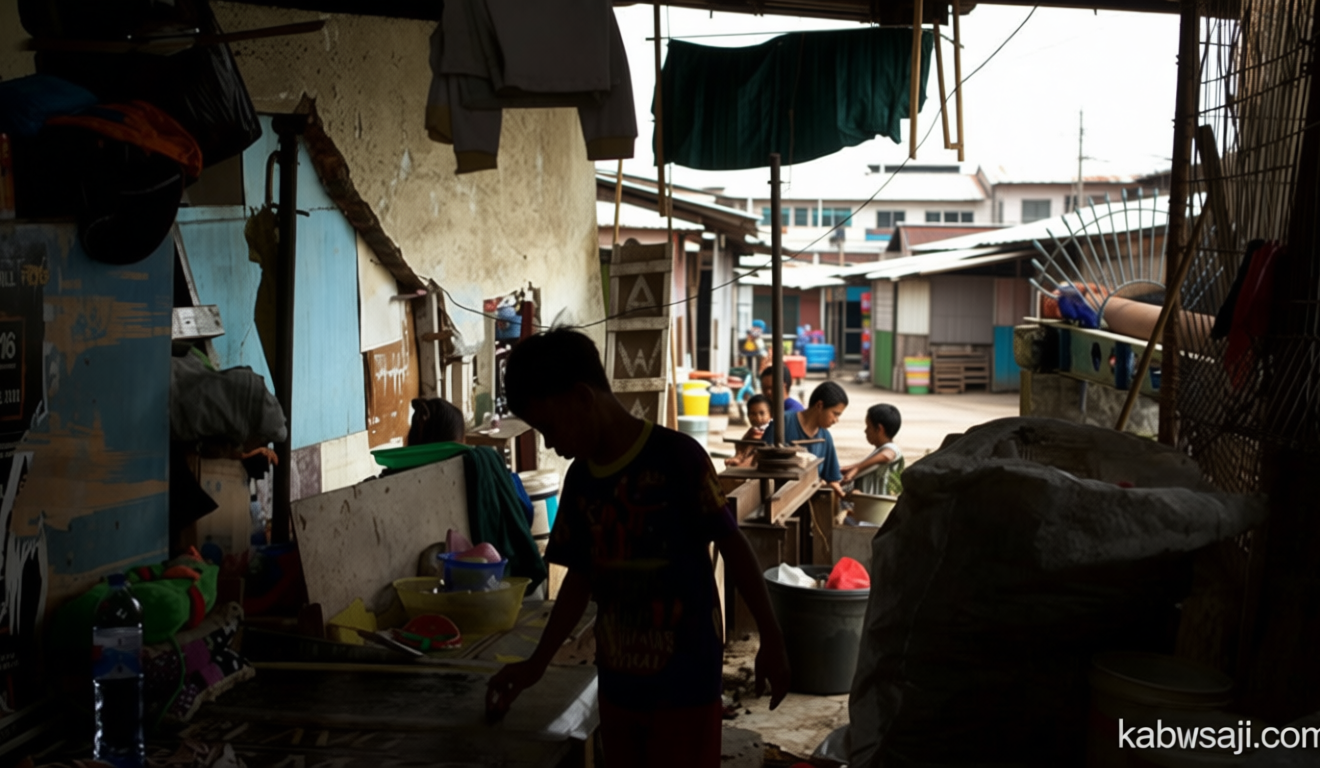
Urban slums now house one in four city dwellers, underscoring persistent inequality. Climate risks have intensified, with 2015–2025 marking the hottest decade on record. Ocean temperatures have hit a nine-year high, accelerating ice melt and threatening coastal communities. Meanwhile, CO2 levels in the atmosphere remain at their highest in 2 million years.
Funding Gaps and Conflict Impacts
UN Secretary-General Antonio Guterres warned of a shrinking financial commitment, as official development assistance dropped by 23% in 2025. Despite a $4 trillion annual funding shortfall for SDGs in developing nations, global military spending reached record levels. The Middle East conflict disrupted supply chains, blocking energy, fertilizer, and food routes, which could destabilize food security in Africa and Asia.
“Together, let us make a decisive final push to achieve the Sustainable Development Goals and build a healthy, prosperous future for all,” said Guterres.
Water Stress and Energy Access
While nearly 92% of the global population now has electricity access, over 650 million still lack it. Sub-Saharan Africa accounts for 86% of those without reliable power, with projections showing only minimal growth by 2030. Water scarcity remains a critical issue, affecting 10% of the world’s population in regions with high stress levels.
Climate change has worsened water shortages, as river flows declined in nearly half of the world’s countries. Latin America, the Caribbean, and parts of Asia face the most severe impacts. Natural disasters, fueled by warming trends, have doubled in scale but remain deadly, with 65% fewer deaths reported over the last decade.