
Four TNI Members File Appeals in Andrie Yunus Acid Attack
Four TNI Members File Appeals in Andrie Yunus Acid Attack Four TNI Members File Appeals in Andrie - The recent decision by the Jakarta II-08 Military Court to
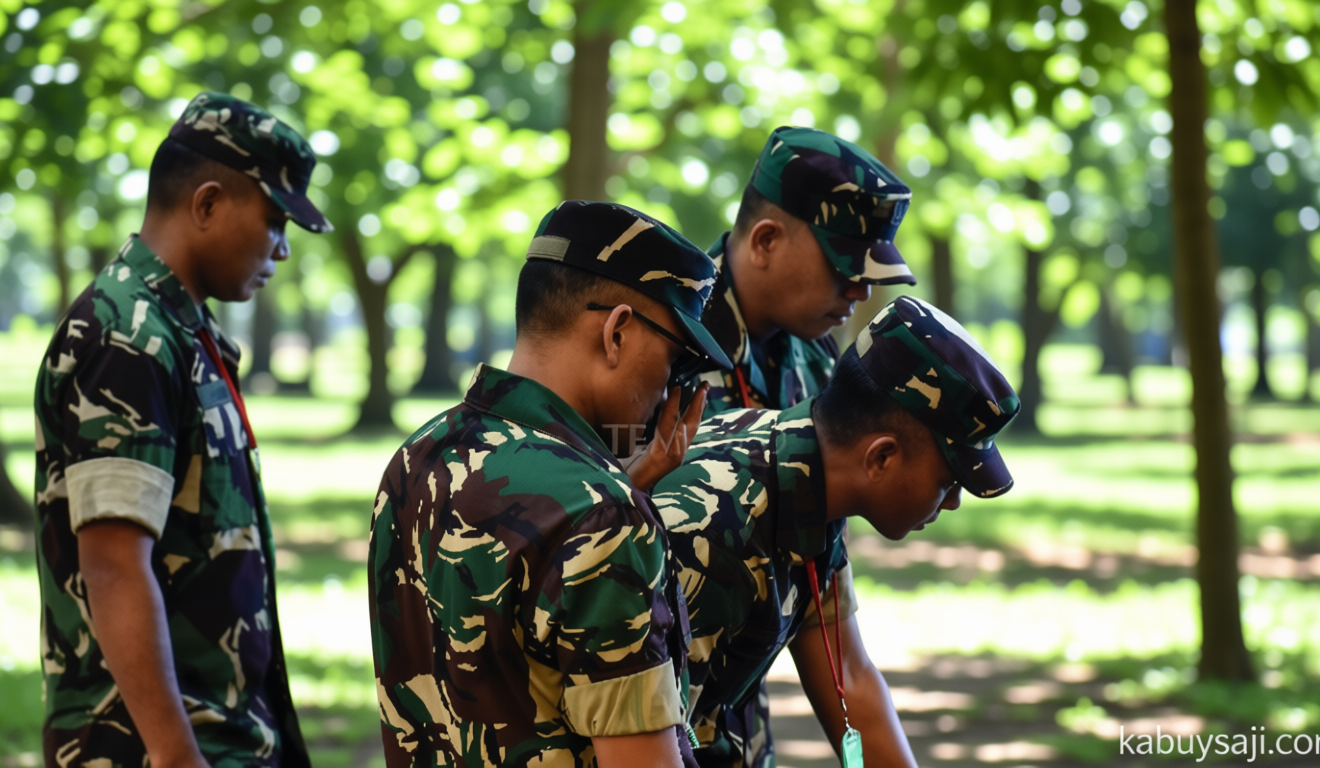
Four TNI Members File Appeals in Andrie Yunus Acid Attack
Four TNI Members File Appeals in Andrie – The recent decision by the Jakarta II-08 Military Court to convict four TNI members in the acid attack against activist Andrie Yunus has sparked immediate legal action, with the defense team filing appeals to challenge the sentencing. The focus keyword, Four TNI Members File Appeals, encapsulates the core of this legal development, highlighting the ongoing efforts to contest the convictions. The appeals were submitted on June 10, 2026, the same day the court handed down its verdict, underscoring the urgency with which the defendants and their legal representatives are addressing the case. This move comes as a critical response to the three-year prison sentence given to Second Sergeant Edi Sudarko, the two-year-and-six-month sentence for First Lieutenant Budhi Hariyanto Widhi, two years for Captain Nandala Dwi Prasetyo, and one year and six months for First Lieutenant Sami Lakka. The Four TNI Members File Appeals not only reflect the defendants’ belief in their innocence but also signal a broader debate about accountability and justice within the military justice system.
Background of the Acid Attack Case
The acid attack on Andrie Yunus, a prominent figure in the human rights organization KontraS, occurred in March 2026, when he was targeted during a protest in Jakarta. The incident, which left Yunus with severe burns and injuries, has been widely condemned as a violent act against civil society. According to court records, the TNI members were accused of organizing the attack, which they claimed was a result of their duty to maintain order. The Four TNI Members File Appeals now aim to re-examine the evidence and legal procedures that led to their convictions, potentially reducing the severity of their sentences or overturning the verdict entirely. This case has drawn attention to the intersection of military authority and civilian activism, raising questions about the proportionality of the charges and the role of the TNI in public dissent.
Legal Context and Sentencing Breakdown
The Jakarta II-08 Military Court applied a combination of articles from the Military Criminal Code (KUHPM) and civil law to determine the sentences for the four TNI members. The prosecution had initially sought a uniform two-year-and-six-month sentence for all four defendants, arguing that the attack was premeditated and part of a larger pattern of repression. However, the court’s decision varied the sentences based on the role each defendant played in the incident. Article 26 of the KUHPM, which pertains to acts of violence against civilians, was central to the convictions, while Article 467 paragraph (1) of Law Number 1 of 2023 was used to link the attack to the broader context of public disorder. The Four TNI Members File Appeals will likely focus on the interpretation of these legal provisions and whether the evidence supporting the charges was sufficient.
Defense counsel emphasized that the sentences were not uniform, which could indicate discrepancies in the evidence or the court’s assessment of culpability. The legal team argued that the trial process lacked transparency and that the charges were based on circumstantial evidence rather than direct proof. The appeals are expected to highlight potential procedural errors, such as the failure to present alternative theories of the attack or the exclusion of key testimonies. As the Four TNI Members File Appeals progress, the court will review the legal arguments, potentially leading to a retrial or a reduction in the penalties imposed.
Public Reaction and Implications
The Four TNI Members File Appeals have generated mixed reactions from the public and civil society groups. Human rights organizations have praised the defense’s efforts, viewing the appeals as a necessary step to ensure fair treatment for the soldiers. However, some activists have criticized the move, arguing that it may delay justice for Andrie Yunus, who has been a vocal advocate for victims of state violence. The incident has also sparked discussions about the role of the military in protecting or suppressing dissent, with critics suggesting that the TNI members were acting under pressure from higher authorities. As the legal battle continues, the outcome could set a precedent for similar cases involving military personnel and civil rights activists.
Amelia Rahima Sari, a contributing journalist to the Tempo article, noted that the Four TNI Members File Appeals are part of a larger narrative about the balance between national security and individual freedoms. The defense team’s strategy will likely include appeals to judicial review, emphasizing the need for a more comprehensive investigation into the attack’s circumstances. This case has also highlighted the importance of media coverage in shaping public opinion, as the Tempo article has been instrumental in documenting the TNI members’ legal journey. The ongoing appeals will be closely watched, not only for their impact on the defendants but also for their broader implications in the context of Indonesia’s legal and political landscape.
Future of the Legal Proceedings
As the Four TNI Members File Appeals move forward, the Jakarta II-08 Military Court will have to evaluate the defense’s arguments and decide whether to uphold the verdict or modify it. The process could take several months, during which time the TNI members may continue their legal fight, potentially leading to a retrial or a reduction in their sentences. The case has also raised the possibility of a higher-level appeal, should the lower court’s decision be challenged further. This development underscores the complexity of military justice, where the severity of charges can hinge on the interpretation of legal precedents and the weight of evidence presented.
Meanwhile, Andrie Yunus continues to recover from the attack, which has had a profound personal and political impact. His ongoing activism and public appearances have kept the issue in the spotlight, ensuring that the Four TNI Members File Appeals remain a focal point for discussions on accountability. The legal battle not only affects the four soldiers but also highlights the broader struggle between the military and civil society in Indonesia. As the appeals process unfolds, the case will serve as a critical test of the justice system’s ability to address acts of violence committed by TNI members, potentially influencing future cases and the perception of military accountability.