
Gradual Drop in Pertamax Fuel Prices Likely Through Year-End, Experts Say
Gradual Drop in Pertamax Fuel Prices Likely Through Year-End, Experts Say Gradual Drop in Pertamax Fuel Prices - Experts anticipate a steady decrease in
Gradual Drop in Pertamax Fuel Prices Likely Through Year-End, Experts Say
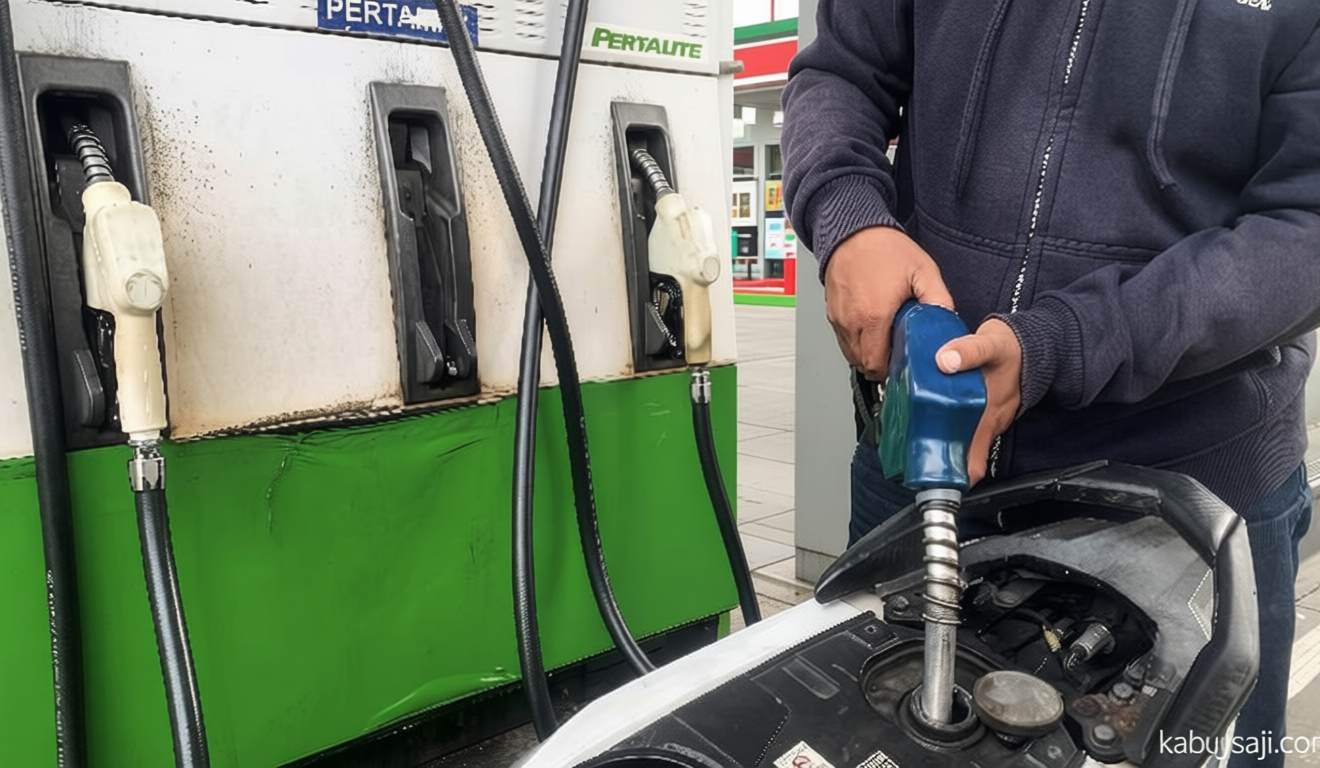
Gradual Drop in Pertamax Fuel Prices – Experts anticipate a steady decrease in Pertamax fuel prices over the coming months, projecting a gradual decline from their current level to a range of Rp12,100–Rp13,500 per liter by the end of 2026. This downward trend is attributed to a combination of macroeconomic shifts, international oil market fluctuations, and strategic adjustments by the Indonesian government. According to Yayan Satyaki, an energy economist at Padjadjaran University, the anticipated reduction is not only a response to current conditions but also a reflection of long-term planning to stabilize fuel costs for consumers. The gradual drop in Pertamax fuel prices aligns with broader efforts to manage inflationary pressures and improve affordability for households and businesses.
Global Crude Oil and Currency Influences
The anticipated price adjustments for Pertamax fuel are closely tied to the performance of global crude oil markets. Yayan Satyaki pointed out that the Indonesian Crude Price (ICP) is expected to decrease to around US$90.6 per barrel by the year’s end, which directly impacts the cost of non-subsidized fuels. Simultaneously, the rupiah is projected to strengthen against the U.S. dollar, moving from Rp17,927 to Rp16,959 per dollar. This shift in currency value could further ease the financial burden on fuel consumers, as the domestic currency’s appreciation reduces the cost of imported oil. The interplay between these factors highlights how Pertamax fuel prices are influenced by both local and international economic conditions.
“The gradual drop in Pertamax fuel prices is a result of careful balancing between domestic fiscal policies and global market volatility,” Yayan remarked in an interview with Tempo. He noted that the U.S.-Iran conflict and subsequent geopolitical developments have played a pivotal role in shaping oil prices. For example, the initial U.S.-Iran agreement in 2026 led to a temporary stabilization of Brent crude oil prices, which dropped from US$117 to US$78 per barrel. However, renewed tensions—such as the cancellation of talks and an Israeli strike on Lebanon—have pushed prices back above US$80, creating uncertainty in the market. Despite this, the long-term outlook for Pertamax fuel prices remains positive due to the ongoing decline in ICP and the strengthening of the rupiah.
Government Policies and Fuel Subsidies
Yayan Satyaki also emphasized the importance of government policy in maintaining the gradual drop in Pertamax fuel prices. He highlighted that the 2026 State Budget includes assumptions based on a projected ICP of US$70 per barrel, which serves as the foundation for determining non-subsidized fuel costs. This budgetary framework allows for flexibility in adjusting prices, even amid unexpected market changes. For instance, if the ICP were to rise to US$100 per barrel due to geopolitical disruptions, the government would need to account for a potential Rp204 trillion increase in fuel costs. However, the existing surplus budget balance (SAL) of approximately Rp420 trillion provides a financial buffer, enabling the government to absorb such shocks without immediate budget cuts.
While the gradual drop in Pertamax fuel prices offers relief, Yayan warned that the situation is not without risks. He stressed the need for scenario planning to prepare for potential price surges, such as those that could arise from a closure of the Strait of Hormuz or other supply chain disruptions. “The current stability in Pertamax fuel prices is a temporary reprieve, and we must remain vigilant to external shocks that could reverse this trend,” he cautioned. His analysis underscores the delicate balance between maintaining affordable fuel prices and ensuring the sustainability of Indonesia’s fiscal policies.
Consumer Behavior and Economic Implications
The gradual drop in Pertamax fuel prices is expected to have a noticeable impact on consumer behavior and economic activity. For many Indonesians, fuel costs are a significant part of their daily expenses, so a reduction in prices could ease household budgets and improve overall purchasing power. Yayan Satyaki noted that this price adjustment may also stimulate industrial activity, as lower fuel costs can reduce operational expenses for businesses reliant on transportation and logistics. However, the extent of these benefits will depend on how long the price drop sustains and whether it translates into broader economic improvements.
Moreover, the gradual drop in Pertamax fuel prices may influence investment decisions in the energy sector. As the market becomes more predictable, investors could shift their focus to long-term projects or alternative energy sources. This trend aligns with Indonesia’s broader goal of diversifying its energy mix and reducing dependency on imported fuels. While the immediate effect of the price drop is positive, Yayan cautioned that it is essential to monitor how these changes interact with other economic indicators, such as inflation rates and consumer confidence. The combination of these factors will determine whether the gradual drop in Pertamax fuel prices leads to a sustained recovery in the economy.
Read more: Indonesia’s Middle Class Faces Biggest Hit From Pertamax Fuel Price Hike
Click here to get the latest news updates from Tempo on Google News