
Transferring Ex-Prosecutor’s Case to AGO Will Expedite Legal Process
Transferring Ex-Prosecutor’s Case to AGO Will Expedite Legal Process Transferring Ex Prosecutor s Case to AGO - Transferring Ex Prosecutor’s Case to AGO has
Transferring Ex-Prosecutor’s Case to AGO Will Expedite Legal Process
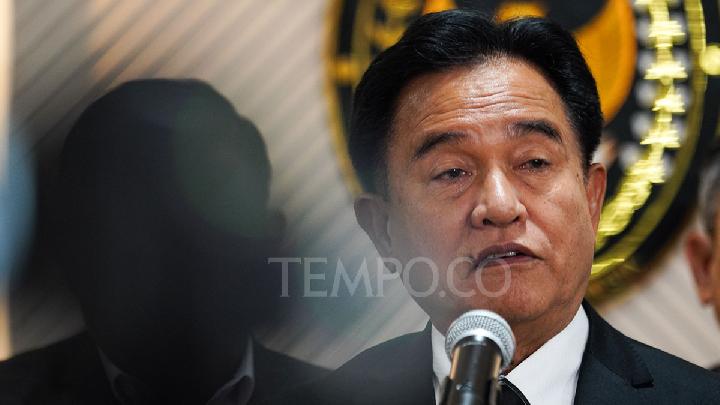
Transferring Ex Prosecutor s Case to AGO – Transferring Ex Prosecutor’s Case to AGO has become a focal point in recent legal discussions, with Jakarta’s Coordinating Minister for Legal Affairs, Human Rights, Immigration, and Corrections, Yusril Ihza Mahendra, advocating for the shift of the investigation into former Deputy Attorney General for Special Crimes Febrie Adriansyah to the Office of the Attorney General (AGO). This move is intended to accelerate the legal process and ensure a more efficient resolution of the case. The proposal highlights the potential benefits of centralizing both investigative and prosecutorial functions under a single authority, reducing bureaucratic delays and enhancing transparency in the judicial system.
The Case for Centralization in Legal Proceedings
Yusril Ihza Mahendra emphasized that the current legal framework often leads to fragmented processes, particularly in complex corruption cases. He explained that while the National Police (Polri) typically manage investigations, the Prosecutor’s Office handles prosecution, creating a cumbersome handover process. This exchange of case files between two institutions can cause significant delays, as each entity must review and approve the evidence before proceedings move forward. By transferring the case to the AGO, Yusril argued, the process could be streamlined, allowing for a more cohesive and rapid legal outcome.
Under the proposed model, the AGO would assume responsibility for both investigating and prosecuting the case. This integration aims to eliminate the need for coordination between separate bodies, which Yusril described as a critical barrier to efficiency. However, he acknowledged that while speed is a primary benefit, the independence and impartiality of the legal process must also be preserved. The transfer of the case raises concerns about potential bias, especially given the ex-prosecutor’s prior role within the AGO, which could be perceived as a conflict of interest.
Public Perception and Institutional Integrity
“There is merit in the AGO’s assertion. From a procedural perspective, resolving the case more swiftly is achievable if the AGO leads the inquiry,” Yusril stated during a press engagement on Monday. He added that the public’s skepticism toward the AGO’s neutrality is natural, given the suspect’s background as a former Deputy Attorney General for Special Crimes. This has led to fears of a scenario known as “jeruk makan jeruk,” where those in power are judged by their own peers, potentially undermining the perception of fairness.
To address these concerns, Yusril stressed the importance of transparency and professionalism in the legal process. He believes that the AGO, with its established protocols and oversight mechanisms, can maintain its integrity while handling the case efficiently. The minister also pointed to existing safeguards, such as the Corruption Eradication Commission (KPK) and public scrutiny, as vital to ensuring that the transfer does not compromise the rule of law. These institutions are expected to act as independent checkers of the AGO’s conduct during the proceedings.
Meanwhile, Rudi Margono, the Deputy Attorney General for Supervision and Acting Deputy for Special Crimes, reiterated the AGO’s commitment to a fair and professional handling of the case. In a press conference on Saturday, July 11, he emphasized the need for synergy between legal entities to deliver a thorough and impartial resolution. “We must ensure synergy to deliver a thorough and impartial resolution, upholding the presumption of innocence,” Rudi said. This statement underscores the AGO’s intention to balance efficiency with justice, even as it faces public scrutiny over its neutrality in the case.
The transfer of the ex-prosecutor’s case to the AGO has sparked broader conversations about the structure of Indonesia’s legal system. Critics argue that consolidating power within the AGO could lead to faster decisions but might also create opportunities for internal influence. Proponents, however, see it as a necessary step to modernize the system and reduce the backlog of cases. The success of this initiative will depend on how well the AGO can maintain its independence while expediting the legal process, which is central to the focus of transferring Ex Prosecutor’s Case to AGO.
As the legal process moves forward, the ex-prosecutor’s case will serve as a test for the AGO’s ability to manage both investigative and prosecutorial roles effectively. The outcome could set a precedent for future cases, demonstrating whether centralization improves efficiency without compromising justice. With the government encouraging collaboration from media, the House of Representatives (DPR), citizens, anti-corruption advocates, and academics, the hope is that the transfer will not only speed up proceedings but also reinforce the credibility of the legal system in handling high-profile cases.