Why France Is Favored to Win the 2026 World Cup
France's Dominance in the Tournament Why France Is Favored to Win the 2026 World Cup is a question that has sparked significant debate among football analysts
France’s Dominance in the Tournament
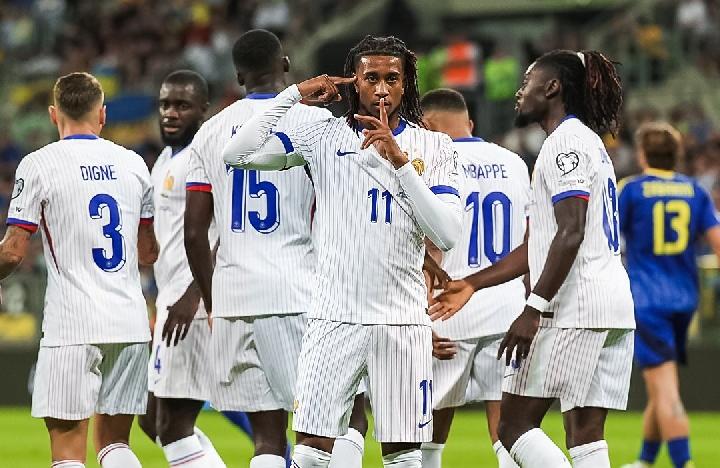
Why France Is Favored to Win the 2026 World Cup is a question that has sparked significant debate among football analysts and fans worldwide. With the tournament set to feature some of the most talented teams in the world, France emerges as the top contender, supported by a blend of strategic prowess, veteran leadership, and a squad that consistently delivers under pressure. The final four teams—France, Spain, England, and Argentina—are expected to compete fiercely, but France’s well-rounded structure, deep bench, and ability to adapt to different opponents position them as the most likely champions.
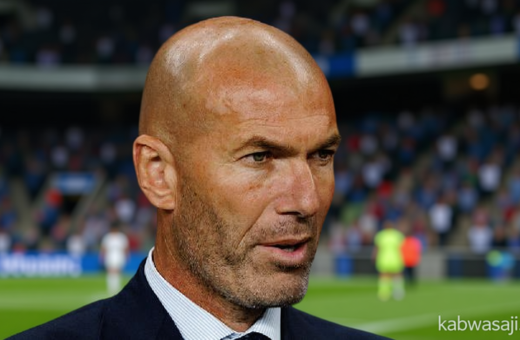
France’s tactical discipline and cohesion have been central to their success. Under the guidance of Didier Deschamps, the team has demonstrated an ability to maintain high performance levels throughout the tournament, regardless of the opponent. Their approach combines defensive solidity with attacking creativity, making them difficult to counter. The players’ adaptability, both individually and as a unit, allows France to thrive in various match scenarios, from defensive counterattacks to high-intensity pressing. This versatility has enabled them to secure a perfect record in the group stage and quarterfinals, giving them a strong platform for the knockout rounds.
“I am proud of the players. They have shown remarkable commitment and hard work for the team. This collective spirit is what brought us back to the semifinals,” said Deschamps, as reported by ESPN.
France’s strategic adaptability is a key factor in their favorability. The team frequently switches between formations, such as the 4-2-3-1 and 4-3-3, depending on the match dynamics. This flexibility ensures they can control the tempo of games while maintaining defensive stability. For instance, in recent matches, the 4-3-3 has allowed them to stretch the opposition and create scoring opportunities through overlapping fullbacks. Such tactical nuances, combined with disciplined positioning, have been critical in their journey to the semifinals.
Defensive Resilience
France’s defensive strength is built on structured organization and individual excellence. Jules Kounde, the central defender, provides a reliable anchor with his composure and reading of the game. His partnership with the center-backs ensures that the backline remains tight and difficult to penetrate. Meanwhile, Theo Hernandez and Lucas Hernandez operate as dynamic fullbacks, offering width and defensive cover while contributing to the team’s attacking thrust. This balance between defense and attack is what sets France apart in the tournament.
France’s defensive record is unmatched. In six matches, they have conceded just two goals and maintained four clean sheets, showcasing their ability to limit scoring opportunities. Their discipline in midfield and defense has allowed them to control possession and dictate play, often breaking through opposition defenses swiftly. This consistency has not only secured their place in the final four but also earned them praise from experts for their ability to neutralize strong opponents without compromising their attacking intent.
Midfield Tactical Foundation
The midfield acts as the strategic backbone of France’s team, ensuring fluid transitions and control of the game. Players like Adrien Rabiot and Paul Pogba exemplify this role, combining defensive responsibilities with attacking flair. Rabiot’s versatility allows him to seamlessly switch between defensive and attacking duties, often disrupting opponents’ play and creating space for the forwards. Pogba’s experience and leadership further enhance the team’s stability, especially in high-stakes matches.
France’s midfield has been instrumental in maintaining their dominance. The ability to press high and recover quickly gives them an edge in transition phases, allowing them to