
Eiffel Tower Cuts Hours as Europe Heat Wave Scorches France
France's Eiffel Tower Adapts to Europe's Record-Breaking Heatwave Eiffel Tower Cuts Hours as Europe - Amid a relentless heatwave gripping much of Europe
France’s Eiffel Tower Adapts to Europe’s Record-Breaking Heatwave
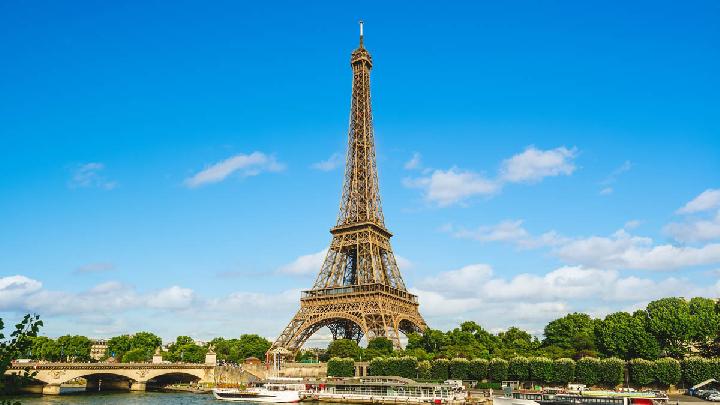
Eiffel Tower Cuts Hours as Europe – Amid a relentless heatwave gripping much of Europe, Paris’ Eiffel Tower has taken unprecedented steps to adjust its hours of operation, reflecting the severe impact of rising temperatures on iconic cultural landmarks. The tower, a symbol of French engineering and global tourism, announced on July 11, 2026, that it would close earlier than usual, at 4:00 p.m. local time, to manage energy consumption and ensure visitor safety during the extreme weather conditions. This decision, part of a broader effort by European cities to mitigate the effects of the heatwave, marks a significant shift from its typical schedule, which usually runs until midnight. The Eiffel Tower’s management emphasized that the move was necessary to align with the European heatwave’s intensity and to accommodate the needs of both tourists and local staff.
Broader Implications of the Heatwave Across Europe
The heatwave has not only affected Paris but has also sparked similar adjustments in other European cities. As temperatures soar to historic levels, cultural institutions and public spaces across the continent are implementing measures to reduce strain on infrastructure and safeguard individuals. In France, nearly a quarter of the country has been placed under a red alert for extreme heat, prompting widespread precautionary actions. The situation has led to power rationing in some regions, with the Eiffel Tower’s decision serving as a microcosm of the challenges faced by urban centers. Meanwhile, in neighboring countries like Spain and Italy, heat advisories have been issued, and outdoor events have been rescheduled to avoid peak temperatures. The European heatwave, now in its third week, shows no signs of easing, with meteorologists predicting that scorching conditions will persist for several more days.
France’s weather service, Meteo-France, has warned that temperatures in Paris could reach 36°C on Saturday, July 11, while other parts of the country, including Marseille and Lyon, may experience even higher readings, up to 39–40°C. These extreme temperatures have caused disruptions in transportation, with train services delayed and air travel affected due to runway conditions. The heatwave has also intensified demand for electricity, prompting energy companies to urge residents and businesses to conserve power. The Eiffel Tower’s earlier closing time aligns with these efforts, as the structure’s lighting and heating systems require significant energy, and reducing hours helps lower overall consumption. This proactive measure highlights the interconnected challenges of climate change and urban infrastructure resilience.
Impact on Tourism and Public Life
The decision to shorten the Eiffel Tower’s operating hours has ripple effects on tourism and daily life in Paris. As one of the most visited landmarks in the world, the tower typically draws millions of visitors annually, but the heatwave has led to a decline in foot traffic. According to local tourism officials, visitor numbers have dropped by approximately 30% compared to the same period last year, with many opting to visit during cooler morning hours or on days with less intense heat. The Louvre Museum and Orsay Museum have also adopted similar schedules, closing earlier to prevent overcrowding and ensure staff well-being. These changes underscore how extreme weather is reshaping the tourism landscape, with European cities now prioritizing visitor comfort over extended operating hours.
Local authorities have implemented additional measures to combat the heatwave’s effects. In Paris, public swimming pools and parks have extended their hours, and cooling centers have been opened in response to rising temperatures. Health organizations have also issued recommendations, advising citizens to stay hydrated, avoid prolonged exposure to the sun, and limit physical activity during the hottest parts of the day. The Eiffel Tower’s management has echoed these concerns, noting that the decision to cut hours is part of a coordinated strategy to protect both the structure and the people who visit it. This approach reflects a growing awareness of the need to adapt to climate-related challenges, particularly in densely populated urban areas.
As the heatwave continues, its economic and social implications become increasingly evident. In France, the tourism sector, a major contributor to the national economy, faces potential losses due to reduced visitor numbers and increased operational costs. However, the government has reassured the public that contingency plans are in place to minimize disruptions. The Eiffel Tower’s adjustment, while temporary, serves as a reminder of the far-reaching consequences of extreme weather. With Meteo-France forecasting that the heatwave will persist through the middle of the upcoming week, city planners and businesses are preparing for further modifications to their routines. This adaptability is crucial as Europe braces for a new era of climate-driven challenges.
“The current heatwave is a stark example of how climate change is impacting our daily lives and infrastructure,” said a spokesperson from Meteo-France. “Cities like Paris must take immediate action to protect both their historical landmarks and the well-being of their residents.”
The Eiffel Tower’s reduced hours are a small but symbolic gesture in a larger effort to manage the crisis. While the focus remains on the immediate effects of the heatwave, experts warn that such events are likely to become more frequent in the future. This shift in operational schedules is not only about managing resources but also about setting a precedent for how cultural institutions can respond to climate emergencies. As the weather remains unrelenting, the Eiffel Tower’s management continues to monitor conditions and may extend the changes into the next week if necessary.