
Indonesia, Russia Palm Oil Associations Sign MoU to Expand Trade Cooperation
Indonesia and Russia's Palm Oil Partnership Strengthens Trade Ties Indonesia Russia Palm Oil Associations Sign - On July 10, 2026, the Indonesia Russia Palm
Indonesia and Russia’s Palm Oil Partnership Strengthens Trade Ties
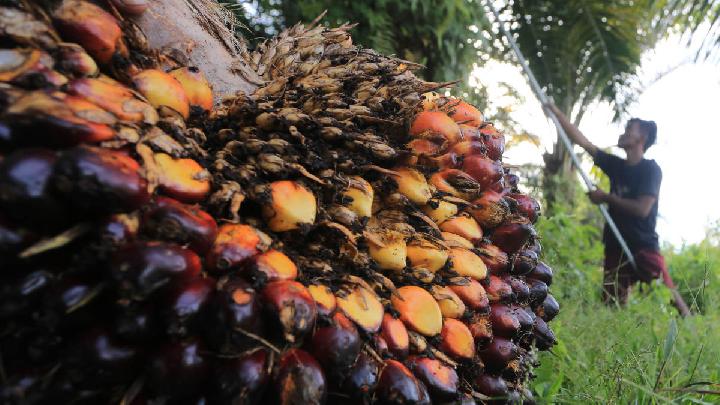
Indonesia Russia Palm Oil Associations Sign – On July 10, 2026, the Indonesia Russia Palm Oil Associations signed a Memorandum of Understanding (MoU) to strengthen trade cooperation in the palm oil sector. This agreement, announced by the Indonesian Embassy in Moscow the following day, marks a pivotal moment in bilateral economic relations, as both nations aim to deepen their collaboration through shared expertise and market expansion. The partnership involves key industry groups, including the Indonesian Palm Oil Association (GAPKI) and Russia’s Fat and Oil Industry Association, underscoring a strategic effort to boost palm oil exports and investments in the Eurasian Economic Union (EAEU).
Collaborative Framework for Sustainable Growth
The MoU was formalized during a ceremony held at the Indonesian Embassy in Moscow, attended by high-level representatives from both countries. Indonesian Ambassador to Russia and Belarus Jose Tavares emphasized the significance of the partnership, highlighting its potential to create new opportunities for Indonesian palm oil producers. “This agreement is a strategic step toward fostering stronger business-to-business relations,” Tavares noted. The collaboration includes initiatives such as information exchange, joint marketing campaigns, and networking events designed to streamline trade processes and enhance mutual understanding of market demands.
Russia, a key player in the global energy and agricultural sectors, has shown increasing interest in palm oil as a renewable resource. The EAEU’s Fat and Oil Industry Association has been actively working to integrate more sustainable and diverse sources of oils into its supply chain, positioning itself as an emerging market for Indonesian palm oil. With the new MoU, both sides are expected to align their efforts in addressing supply chain challenges, such as logistics and quality standards, to ensure smoother and more efficient trade. This is particularly important as Indonesia continues to be a major supplier of palm oil to the world, with its exports playing a critical role in global markets.
Expanding Market Access and Industrial Collaboration
The agreement also focuses on expanding market access for Indonesian palm oil products in Russia and the EAEU. By fostering closer ties between the two associations, the partnership aims to facilitate the import of Indonesian palm oil and its derivatives, such as biofuels and oleochemicals, into the Eurasian region. Indonesian officials have expressed optimism about the potential for growth, citing the EAEU’s growing demand for high-quality, affordable oils. “The collaboration will help us navigate the complexities of international trade and capitalize on the EAEU’s expanding market,” said a representative from the Indonesian Oil Palm Plantation Fund Management Agency (BPDP KS), which was also present at the ceremony.
Additionally, the MoU includes provisions for industrial collaboration, such as joint research projects and technology transfer initiatives. These efforts are designed to support the development of new products and applications for palm oil, aligning with global trends toward sustainability and innovation. For Russia, the partnership presents an opportunity to diversify its energy sources and reduce reliance on fossil fuels. As the world transitions to greener alternatives, the integration of palm oil into Russian industries could drive economic growth while promoting environmental responsibility.
Industry experts have welcomed the agreement, noting that it could lead to long-term benefits for both nations. The Indonesian palm oil sector, which contributes significantly to the country’s economy, stands to gain from increased demand in the EAEU. Meanwhile, Russia’s agricultural industry is expected to benefit from the availability of high-quality raw materials. The MoU is also seen as a step toward greater regional integration, with the potential to create a more resilient and interconnected supply chain between Indonesia and the EAEU. “This partnership reflects the mutual interests of both sides in fostering sustainable economic development,” said a statement from the Indonesian Embassy, reinforcing the importance of the agreement.
Looking ahead, the Indonesia Russia Palm Oil Associations aim to leverage the MoU to address existing challenges in the trade sector. These include improving export efficiency, ensuring compliance with international regulations, and enhancing the competitiveness of Indonesian palm oil in the Eurasian market. The collaboration is expected to involve regular dialogues between industry leaders, as well as training programs to support local producers in meeting global standards. By fostering a more transparent and cooperative trade environment, the partnership could serve as a model for other commodity sectors seeking to expand their international reach.
The agreement also highlights the growing importance of the palm oil industry in global trade. As the world’s largest producer of palm oil, Indonesia has a vested interest in securing stable markets for its exports. Russia, with its strategic location and economic potential, offers a promising avenue for growth. The Indonesia Russia Palm Oil Associations’ MoU is a testament to the shared vision of both countries to strengthen their economic ties through the exchange of resources, knowledge, and innovation. This move is anticipated to open new doors for trade, investment, and industrial development in the coming years.