
Typhoon Bavi Batters Taiwan, Japan
Typhoon Bavi Batters Taiwan Japan: phoon Bavi Batters Taiwan Japan - As Typhoon Bavi intensified, it unleashed unprecedented destruction across Taiwan and
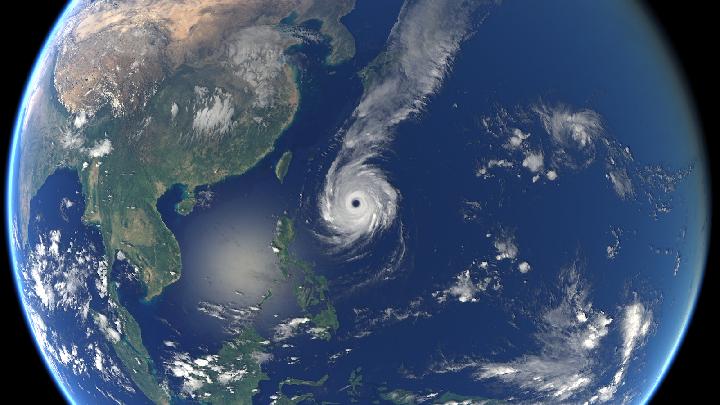
Typhoon Bavi Batters Taiwan and Japan
Typhoon Bavi Batters Taiwan Japan – As Typhoon Bavi intensified, it unleashed unprecedented destruction across Taiwan and Japan, marking a severe natural disaster that disrupted lives and infrastructure. The storm, which originated as a super typhoon in the Pacific, made landfall in Japan’s southern islands and swept through Taiwan, causing catastrophic floods, powerful winds, and widespread power outages. Officials from both nations scrambled to implement emergency measures, while residents braced for the aftermath of one of the most intense typhoons in recent memory. With its path affecting multiple regions, the impact of Typhoon Bavi on Taiwan and Japan has raised concerns about climate resilience and disaster preparedness.
Philippines as the First Front of the Storm
Typhoon Bavi initially struck the Philippines, leaving a trail of devastation before heading toward Japan and Taiwan. The super typhoon, which formed over the US Pacific territories of Guam and the Northern Marianas, caused significant damage in Mindanao, where landslides and flooding claimed at least 17 lives and left nine people missing. In Sarangani province, a landslide in Malapatan killed ten, while two drowned in Bukidnon. The Philippines’ meteorological agency confirmed additional fatalities in Lanao del Sur, highlighting the storm’s ferocity as it made its first landfall. The country’s coastal regions faced extreme rainfall, with some areas recording over a meter of precipitation, exacerbating the crisis for communities already vulnerable to extreme weather events.
Japan’s Power Outages and Transportation Disruptions
Japan’s Okinawa prefecture bore the brunt of Typhoon Bavi’s onslaught, as the storm lashed the Sakishima island chain with sustained winds of 144 kilometers per hour. The destruction was immediate: over 24,000 households experienced power outages, and 345 flights were canceled, stranding thousands of passengers. Ferry services also halted, further complicating travel for residents. In Tokyo, the typhoon’s remnants triggered heavy rain, causing localized flooding in urban areas. Experts warn that such disruptions could worsen if Bavi continues its pattern of intensifying as it moves northward, potentially impacting more regions along its path.
“The typhoon’s winds exceeded 100 kph, with rainfall surpassing a meter in some areas, leading to widespread flooding and structural damage,” stated DW’s Taiwan correspondent Rik Glauert. “In Taipei, trees and power lines were toppled, while rivers swelled beyond their banks, leaving neighborhoods submerged.”
Taiwan’s Evacuations and Infrastructure Damage
Taiwan’s government issued urgent evacuation orders, prompting over 10,000 people to leave their homes ahead of the storm’s arrival. The focus keyword “Typhoon Bavi Batters Taiwan Japan” is central to the disaster’s scope, as the typhoon’s impact was felt across the island, from the southern coast to northern cities. Over 150,000 households lost electricity, and authorities canceled more than 1,100 flights, stranding thousands of travelers. Schools and offices remained closed for two days as the storm’s remnants lingered, causing further disruption. The typhoon also triggered landslides in mountainous regions, damaging roads and rail lines, and forcing temporary closures of critical transport routes.
China’s Bracing for the Storm’s Next Leg
As Typhoon Bavi approached China’s southeast coast, the government activated flood alerts and evacuation protocols, anticipating heavy rainfall and strong winds. The storm was forecast to make landfall near Wenzhou on Sunday, prompting officials to deploy emergency teams in cities like Fuzhou to clear debris and reinforce infrastructure. In Beijing and northern provinces, heavy downpours were expected to compound the challenges posed by the typhoon, with authorities urging residents to prepare for potential flooding. The focus keyword “Typhoon Bavi Batters Taiwan Japan” underscores the storm’s transnational reach, as it now threatens to affect a vast region spanning the Pacific, Southeast Asia, and East Asia.
Community Response and Recovery Efforts
Amid the chaos, local communities in Taiwan and Japan mobilized swiftly to assist those affected by Typhoon Bavi. Volunteers in Okinawa and Tokyo coordinated rescue operations, while shelters were opened to accommodate displaced families. In Taiwan, where the typhoon caused extensive damage, local governments prioritized restoring power and communication networks. Meanwhile, in Japan, officials emphasized the need for long-term recovery strategies to mitigate future risks. The storm’s path has also drawn attention to the importance of regional cooperation in disaster response, as neighboring countries share resources and information to address the crisis effectively. The focus keyword “Typhoon Bavi Batters Taiwan Japan” reflects the interconnectedness of these nations in facing natural calamities.
“The scale of destruction caused by Typhoon Bavi Batters Taiwan Japan is a stark reminder of the increasing frequency of extreme weather events,” said a regional climate expert. “With rising sea temperatures, typhoons like Bavi are becoming more powerful, posing greater challenges to infrastructure and human safety.”
Global Implications and Future Outlook
As Typhoon Bavi continues to affect East Asia, its impact extends beyond immediate damage to highlight broader climate trends. The focus keyword “Typhoon Bavi Batters Taiwan Japan” has been central to the storm’s narrative, emphasizing the devastation it has wrought on these two nations. Scientists note that the typhoon’s strength is linked to warmer ocean waters, which fuel the development of super typhoons. This event underscores the need for enhanced preparedness measures and climate adaptation strategies. With more than 600,000 people evacuated in China and ongoing assessments of damage in Japan and Taiwan, the global community is watching as Typhoon Bavi Batters Taiwan Japan becomes a case study in the escalating threat of climate-related disasters. The focus keyword remains a key phrase in discussions about the storm’s legacy and the resilience of affected regions.