LBH Pers Slams Google Opposition to Copyright Bill
LBH Pers Slams Google Opposition to Copyright Bill LBH Pers Slams Google Opposition to Copyright - In a strong statement released on July 6, 2026, the Legal
LBH Pers Slams Google Opposition to Copyright Bill
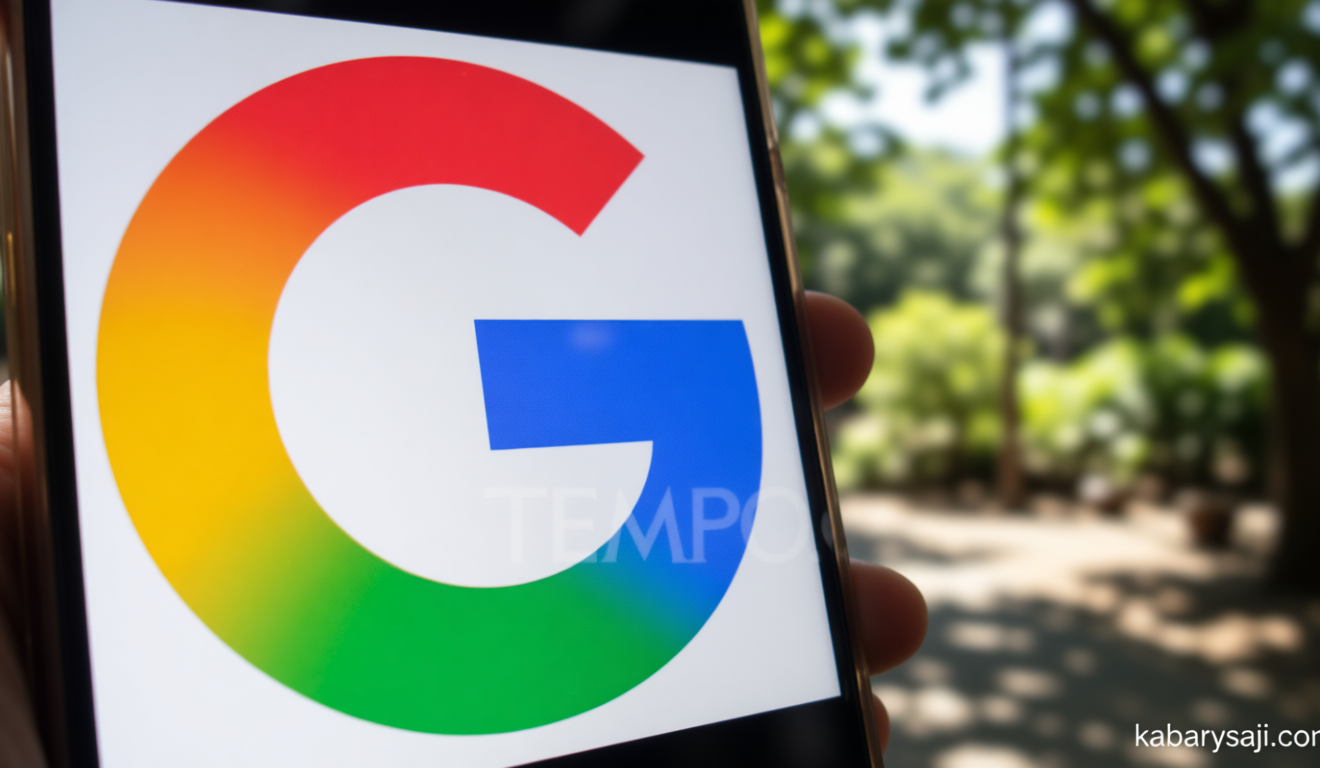
LBH Pers Slams Google Opposition to Copyright – In a strong statement released on July 6, 2026, the Legal Aid Institute for the Press (LBH Pers) took direct aim at Google’s resistance to the proposed Copyright Law revisions (RUU Hak Cipta). The organization argued that Google’s opposition to the bill is not only misguided but also detrimental to the rights of creators in Indonesia. LBH Pers emphasized that the law aims to address the growing issue of unacknowledged use of content by digital platforms, ensuring creators are fairly compensated for their intellectual property. By slamming Google’s stance, the group sought to highlight the urgency of enacting the amendment to protect digital content from being exploited without proper recognition.
Content Creation and Digital Utilization
LBH Pers pointed out that the current system allows search engines and artificial intelligence systems to freely use journalistic content—such as articles, images, and data—without adequate credit or financial remuneration. The legal group argued that while these platforms benefit immensely from such content, the responsibility for its creation, verification, and publication lies entirely with the original creators. “This imbalance must be addressed through the Copyright Bill,” the statement asserted, noting that creators are left bearing the costs of production while platforms reap the rewards of their work.
The decline in digital media traffic has further underscored the need for clear regulations. LBH Pers claimed that without the proposed revisions, journalists and content creators will continue to lose visibility and revenue in a landscape where AI-driven content aggregation dominates. “The Copyright Law is not a barrier to innovation but a necessary tool to safeguard creators’ rights,” the organization reiterated, drawing attention to the fact that the bill specifically targets platforms that profit from using others’ intellectual property.
Google’s Concerns and Counterarguments
Google had previously raised concerns that the Copyright Bill could stifle Indonesia’s digital growth. In a June 29, 2026, statement, the company warned that the amendments might complicate the process for content distribution, potentially slowing down the expansion of digital services and limiting user access to information. LBH Pers, however, dismissed these claims as a distraction, arguing that Google’s own platforms, including Google News and AI Overviews, rely heavily on content generated by others.
Google’s counterarguments centered on the law’s broad scope, suggesting it could penalize smaller creators and hinder technological progress. The firm claimed the bill might create bureaucratic hurdles for content-sharing platforms, discourage investment in digital innovation, and weaken Indonesia’s position in the global tech arena. LBH Pers, in response, stressed that the law does not restrict access to information but rather establishes a framework for fair compensation and transparent use of intellectual property.
Rebuttals and Evidence
“Google is using a convenient narrative to avoid accountability, despite the Copyright Bill’s clear intent to protect creators’ rights,” said LBH Pers, referencing studies from the Association of Indonesian Cyber Media (AMSI) and Monash University. These reports highlighted how AI tools often summarize content without linking to the original sources, effectively depriving creators of both credit and financial gain.
The legal aid group also cited a 40% drop in traffic for Indonesia’s top five news websites between September 2024 and November 2025. This decline, they argued, is a direct consequence of content being repurposed without proper attribution. Additionally, research from the Tow Center for Digital Journalism revealed that 80% of readers rely on AI-generated summaries in 40% of searches, further emphasizing the need for a legal framework that ensures creators are recognized for their work.
LBH Pers continued to slam Google opposition to the bill, insisting that the company’s resistance stems from its own economic interests. The organization accused Google of profiting from the work of others while claiming to champion the rights of digital creators. “By opposing the Copyright Bill, Google is not protecting innovation—it is protecting its own dominance in the content economy,” the group stated, calling for a more equitable approach to digital utilization.
The Broader Implications of Copyright Reforms
The proposed revisions to the Copyright Law are part of a larger movement to modernize Indonesia’s intellectual property framework. LBH Pers argued that the bill aligns with international standards, including those set by the World Intellectual Property Organization (WIPO), and addresses the evolving role of technology in content creation. The organization stressed that without such reforms, the digital landscape risks becoming a free-for-all, where creators are left uncompensated for their contributions.
Google’s opposition, LBH Pers noted, is not just a legal stance but a strategic move to maintain its position as a content aggregator. The legal group emphasized that the bill’s provisions are designed to ensure that platforms like Google pay for the content they use, whether through licensing agreements or direct compensation. “This is not about restricting access to information but about ensuring fairness in the digital economy,” the statement concluded, reinforcing the argument that the Copyright Bill is essential for protecting the rights of creators in the age of AI.
With the current debate over the Copyright Bill, LBH Pers has consistently slammed Google opposition to the law, urging the tech giant to recognize its role in the content ecosystem. The group highlighted that Google’s own platforms depend on the intellectual property they seek to use without reform. “If Google truly supports innovation, it must first support the rights of those who create it,” LBH Pers asserted, calling for a unified front among digital creators and platforms to ensure a fair and sustainable future for content production.