
Prabowo Urges Indonesians to Learn from India’s Democracy
Prabowo Urges Indonesians to Learn from India's Democratic Model Prabowo Urges Indonesians to Learn - In a recent address during the Indian Community
Prabowo Urges Indonesians to Learn from India’s Democratic Model
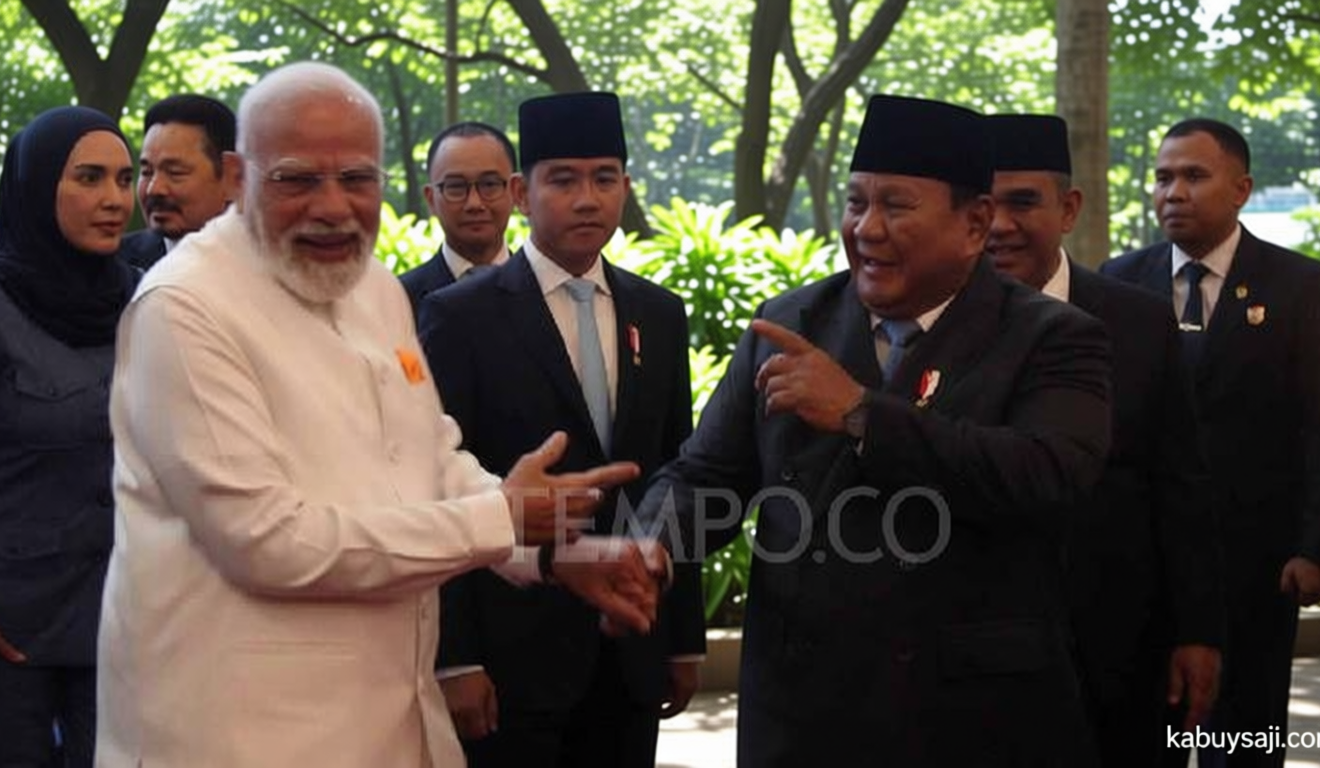
Prabowo Urges Indonesians to Learn – In a recent address during the Indian Community Reception event on July 7, 2026, Indonesian President Prabowo Subianto emphasized the importance of adopting India’s democratic framework as a guide for Indonesia’s political evolution. Speaking alongside Indian Prime Minister Narendra Modi, Prabowo highlighted how India’s system of governance, despite its complexities, has enabled the nation to maintain stability in a diverse and vast population. This call to action underscores a growing interest in cross-learning between the two neighboring countries, as both seek to strengthen their democratic institutions.
India’s Democratic Resilience in a Multicultural Society
India, home to over 1.4 billion people, has long been a model for democratic resilience in multicultural societies. Prabowo pointed out that the nation’s ability to sustain political stability across its myriad regions and communities is a testament to the effectiveness of its democratic model. He noted that India’s experience offers valuable lessons, particularly in managing cultural and linguistic diversity without compromising the unity of the state. This mirrors Indonesia’s own challenge, as it is a nation of over 270 ethnic groups and 700 languages, yet remains a single political entity.
“The Indonesian people must learn from India’s experience to ensure our democracy thrives in the face of complexity,” Prabowo stated. “India has shown that governance can remain stable even in a country as diverse as ours, and we should take inspiration from that.”
Prabowo’s remarks drew attention to India’s long-standing tradition of peaceful power transitions, a key strength of its democratic system. He cited the country’s history of free and fair elections, where millions of citizens participate in voting, as an example of how democratic processes can be both inclusive and robust. “India’s democratic framework has endured decades of challenges, yet it continues to serve as a beacon for nations seeking to balance diversity with unity,” he added, suggesting that Indonesia could benefit from similar institutional safeguards.
Lessons in Democratic Governance and Civic Participation
Prabowo’s speech also delved into the role of civic engagement in sustaining democracy. He argued that India’s high voter turnout, especially in rural and urban areas, reflects a deep-rooted culture of political participation. This, he said, is critical for maintaining public trust in the government. “Indonesia’s democracy must evolve to encourage broader civic involvement, much like India has done through its voter education initiatives and grassroots movements,” Prabowo explained.
“Democracy requires constant vigilance, but it remains the most equitable path for progress,” Prabowo asserted. “India’s model demonstrates that even in a politically fragmented environment, inclusive governance can foster national cohesion.”
He also addressed the potential risks of democratic systems, such as polarization and manipulation by political factions. However, Prabowo stressed that these challenges are not insurmountable. “We must learn from India’s experience in mitigating such risks through transparent institutions and media accountability,” he said. This acknowledgment of both strengths and weaknesses in democratic systems positions Indonesia to adopt best practices while refining its own approach.
Indonesia’s Democratic Path Forward
Prabowo’s call for learning from India’s democracy aligns with his broader vision for Indonesia’s political landscape. As a former defense minister and a prominent leader in the country’s political arena, he has long advocated for institutional reforms that prioritize transparency and public accountability. His remarks at the event reflect a strategic push to strengthen Indonesia’s democratic foundations by integrating successful elements from India’s system.
India’s democratic model, while not without its flaws, has proven adaptable to changing socio-political dynamics. Prabowo drew parallels to Indonesia’s own challenges, such as ensuring equal representation across its archipelago and addressing regional disparities. “India’s federal structure and multi-party system have allowed for a more balanced distribution of power, which we can emulate in our own context,” he suggested, emphasizing the importance of decentralization and pluralism in democratic governance.
Furthermore, Prabowo highlighted the role of media and civil society in upholding democratic values. He cited India’s independent media as a crucial factor in keeping the public informed and holding leaders accountable. “We must invest in a robust media environment and empower civil society to safeguard the integrity of our democratic processes,” he urged. This vision of a strengthened Indonesia echoes the collaborative spirit of the event itself, where leaders from both nations exchanged insights on shared goals.
Read more about Prabowo and Modi’s collaboration on Indonesia-India initiatives to understand how their partnership extends beyond political discourse into tangible projects. Stay updated with the latest news from Tempo on Google News for ongoing developments in this dynamic relationship.