
Indonesia’s BRIN to Launch NEO-1 Satellite in January 2027
Indonesia's BRIN Aims to Deploy NEO-1 Satellite in January 2027 Indonesia s BRIN to Launch NEO 1 - Indonesia's BRIN to Launch NEO-1 satellite marks a pivotal
Indonesia’s BRIN Aims to Deploy NEO-1 Satellite in January 2027
Indonesia s BRIN to Launch NEO 1 – Indonesia’s BRIN to Launch NEO-1 satellite marks a pivotal step in the nation’s space ambitions. The National Research and Innovation Agency (BRIN) has announced plans to deploy the Nusantara Earth Observation-1 (NEO-1) satellite in January 2027, signaling Indonesia’s growing capability in satellite technology. This initiative underscores the country’s commitment to becoming a self-reliant player in the global space industry, reducing dependency on foreign systems and enhancing its ability to monitor and manage critical national resources. The launch is expected to be a cornerstone of BRIN’s broader strategy to develop indigenous space infrastructure, with the satellite’s capabilities aligned to support diverse applications ranging from environmental monitoring to maritime surveillance.
End-to-End Satellite Mastery
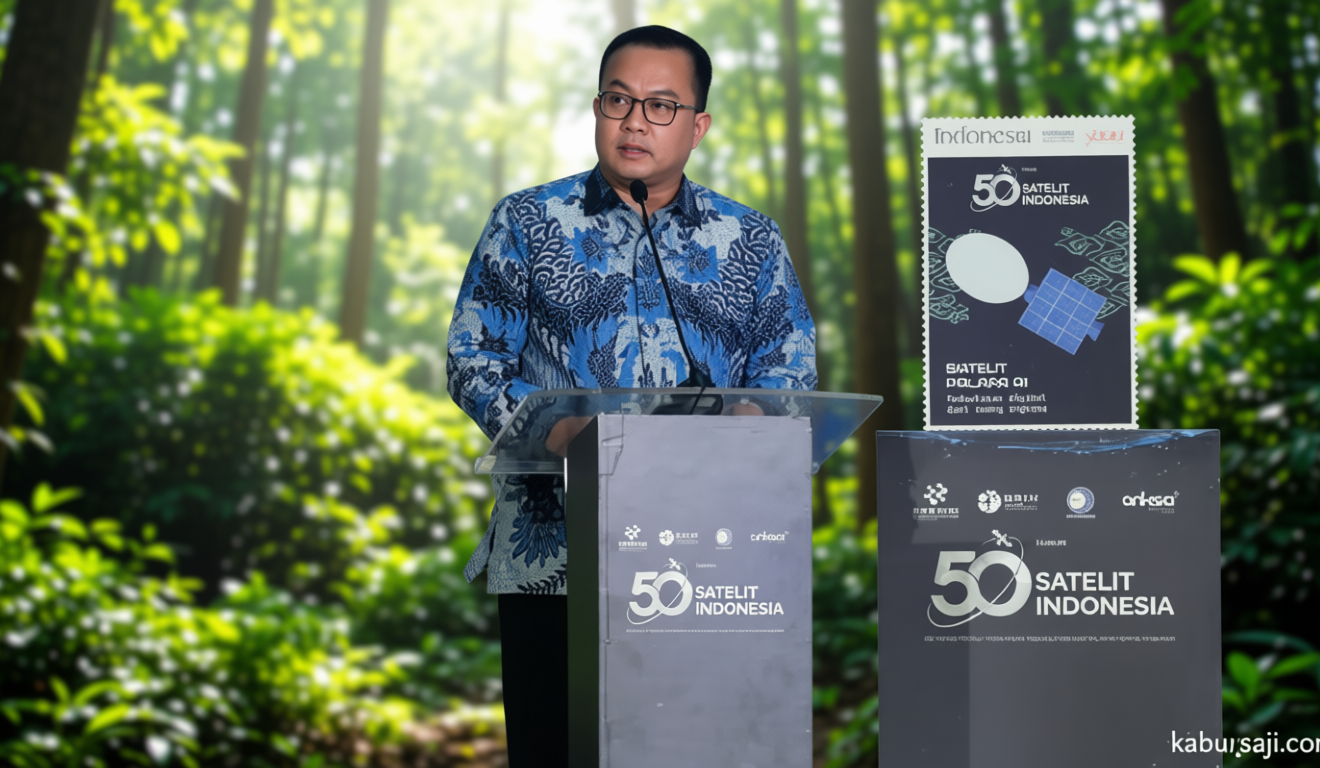
NEO-1 is set to be the first satellite fully developed using Indonesia’s national expertise, a testament to the agency’s progress in mastering end-to-end satellite engineering. BRIN Director Arif Satria highlighted that the satellite’s components are now fully integrated, showcasing the agency’s ability to innovate across all stages of development, from mission planning to system design. This achievement not only reflects Indonesia’s technical prowess but also its strategic focus on creating a sustainable and independent space program. The launch, coinciding with the 50th anniversary of Indonesian satellites, is a milestone that highlights the country’s ability to control every aspect of space technology, from design to operation.
“This advancement positions Indonesia not just as a user of space technology, but as a producer, service provider, and influential participant in the global space economy,” said Arif Satria.
The NEO-1 project has been developed with a strong emphasis on domestic innovation, incorporating cutting-edge technologies and research capabilities. By ensuring all systems are locally designed and tested, BRIN aims to reduce reliance on international partners while setting a precedent for future satellite missions. This level of autonomy is critical for Indonesia to assert its presence in the space sector and leverage satellite data for national development goals.
Applications and Strategic Goals
The NEO-1 satellite will play a vital role in supporting Indonesia’s national initiatives, including regional mapping, agricultural oversight, and disaster preparedness. Its advanced Earth observation capabilities are designed to provide real-time data that can be used to monitor deforestation, track climate change, and optimize agricultural productivity. Additionally, the satellite will enhance maritime surveillance through the Automatic Identification System (AIS), aiding in the management of Indonesia’s vast ocean territories. BRIN Director Arif Satria emphasized that these applications are part of a larger vision to use space technology as a tool for economic growth, environmental conservation, and national security.
“Satellite connectivity is not merely a technical issue—it’s a matter of national sovereignty. Control over satellite infrastructure ensures control over the nation’s communication and information future,” stated Wayan Toni Supriyanto, Director General of Digital Infrastructure at the Ministry of Communication and Information Technology.
By integrating satellite technology into key sectors, Indonesia aims to strengthen its infrastructure and improve service delivery in remote and underserved areas. This will also contribute to the country’s ability to respond swiftly to natural disasters, such as earthquakes and tsunamis, through early warning systems powered by real-time data from NEO-1. The satellite’s deployment is expected to align with BRIN’s long-term goal of establishing Indonesia as a leader in space-based data solutions.
Geographical Edge and Collaboration
Indonesia’s equatorial location offers a unique advantage for satellite launches, allowing for more efficient orbital insertion and reduced fuel consumption. Arif Satria noted that this natural asset is a key factor in the success of the NEO-1 project. However, he also stressed the importance of collaboration among stakeholders, including academic institutions, private companies, and international partners, to further enhance Indonesia’s space capabilities. The launch is part of a broader effort to build a robust space ecosystem, where shared knowledge and resources can drive innovation and sustainability.
BRIN has already partnered with local and international organizations to develop NEO-1, ensuring that the satellite benefits from both national expertise and global best practices. These collaborations are essential for accessing advanced technologies, training skilled professionals, and expanding Indonesia’s reach in the space industry. As the launch approaches, the agency is working to finalize all technical and logistical preparations, with the goal of ensuring a smooth and successful deployment. The NEO-1 satellite is expected to serve as a foundation for future missions, reinforcing Indonesia’s position in the global space economy.
Indonesia’s BRIN to Launch NEO-1 satellite represents a significant leap forward in the country’s space program, demonstrating its ability to design, build, and operate complex satellite systems. The project has been a collaborative effort, involving scientists, engineers, and policymakers to ensure that the satellite meets both technical and strategic objectives. With its launch planned for January 2027, NEO-1 will not only provide critical data for national development but also serve as a platform for Indonesia to showcase its technological advancements. The satellite’s success is anticipated to inspire further investment in space research and innovation, paving the way for future achievements in the field.