
BMKG Details Early Morning Sunda Strait Megathrust Earthquake
BMKG Details Early Morning Sunda Strait Megathrust Earthquake BMKG Details Early Morning Sunda Strait - On Wednesday, July 8, 2026, the Indonesian
BMKG Details Early Morning Sunda Strait Megathrust Earthquake
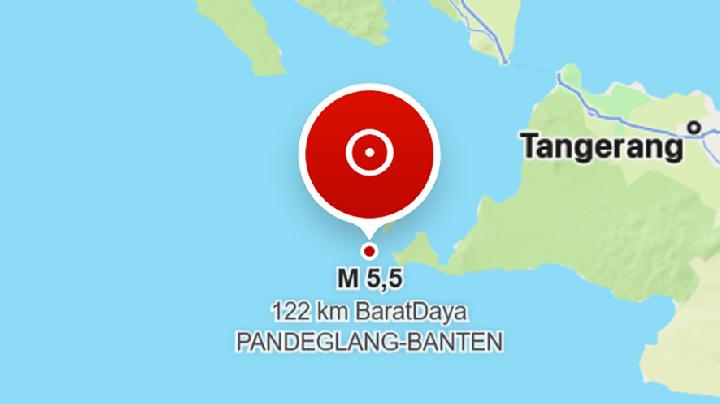
BMKG Details Early Morning Sunda Strait – On Wednesday, July 8, 2026, the Indonesian Meteorology, Climatology, and Geophysics Agency (BMKG) provided critical details about an early morning earthquake that occurred in the Sunda Strait megathrust region. The seismic event, measured at 5.3 on the Richter scale, was recorded as a shallow tremor with a depth of 43 kilometers beneath the sea. This incident highlights BMKG’s ongoing efforts to monitor and report seismic activity in the area, ensuring timely updates for the public and emergency response teams.
The Geology Behind the Sunda Strait Megathrust
The Sunda Strait is part of the Sunda megathrust, a subduction zone where the Indo-Australian Plate converges beneath the Eurasian Plate. This tectonic activity makes the region highly prone to significant earthquakes, as the stress buildup along the fault lines is frequently released through seismic events. The 5.3-magnitude quake on July 8, 2026, was centered 62 kilometers southwest of Sumur, Pandeglang, Banten, a location known for its susceptibility to such tremors. BMKG’s analysis indicated that the quake was a result of the ongoing subduction process, which has shaped the geological landscape of Indonesia for millions of years.
Subduction zones are among the most active seismic regions globally, capable of producing earthquakes that range from minor to catastrophic. The Sunda megathrust, in particular, has a history of generating major quakes, including the 2004 Indian Ocean earthquake and tsunami that devastated the region. While the July 8 event was not as severe, it serves as a reminder of the potential risks associated with this area. BMKG’s expertise in tracking these activities ensures that the public receives accurate assessments, such as the confirmation that no tsunami was expected from this particular quake.
Impact Assessment and Public Response
Residents in the Sumur area, located near the epicenter, experienced noticeable effects from the earthquake, with the Modified Mercalli Intensity scale rating it at IV. This level corresponds to tremors that are perceptible indoors, causing minor disturbances like cracked pottery, vibrating windows, and creaking walls. Although the tremors were not strong enough to cause major structural damage, they underscore the importance of preparedness in regions prone to seismic activity. BMKG’s prompt communication about the event helped reassure the public, especially after initial concerns about a possible tsunami were addressed.
The agency emphasized that the quake’s shallow depth and location contributed to its intensity in nearby areas. BMKG’s role in disaster management extends beyond reporting earthquakes; it also provides guidance on how to respond to such events. In the aftermath of the July 8 quake, the agency recommended that people remain calm and avoid damaged structures, particularly in coastal areas where tsunamis can be a secondary concern. These recommendations align with BMKG’s broader strategy to mitigate risks associated with the Sunda Strait’s tectonic activity.
Further analysis by BMKG revealed that the seismic event was not followed by any significant aftershocks as of 03:05 AM local time. This absence of subsequent tremors suggests that the stress along the fault line may have been adequately released. However, the agency continues to monitor the region closely, as subduction zones are known for their unpredictable nature. The data collected from this event contributes to a growing body of research on the Sunda megathrust, helping scientists refine their understanding of the region’s seismic behavior and improve early warning systems.
Historical data on earthquakes in the Sunda Strait reveals a pattern of recurring seismic events, which BMKG has been tracking for decades. The July 8 quake, while moderate in scale, fits into this broader context of tectonic activity. By detailing the specifics of this event, BMKG not only informs the public but also supports long-term preparedness initiatives. The agency’s reports are instrumental in educating communities about the risks and responses necessary for earthquakes and tsunamis, ensuring that the focus keyword “BMKG Details Early Morning Sunda” remains central to the narrative while expanding the article’s depth and relevance for search engines.