Iran Waives Ship Transit Fees in Strait of Hormuz for 60 Days
Iran Waives Ship Transit Fees in Strait of Hormuz for 60 Days Iran Waives Ship Transit Fees in Strait - Iran has announced a temporary waiver of ship transit
Iran Waives Ship Transit Fees in Strait of Hormuz for 60 Days
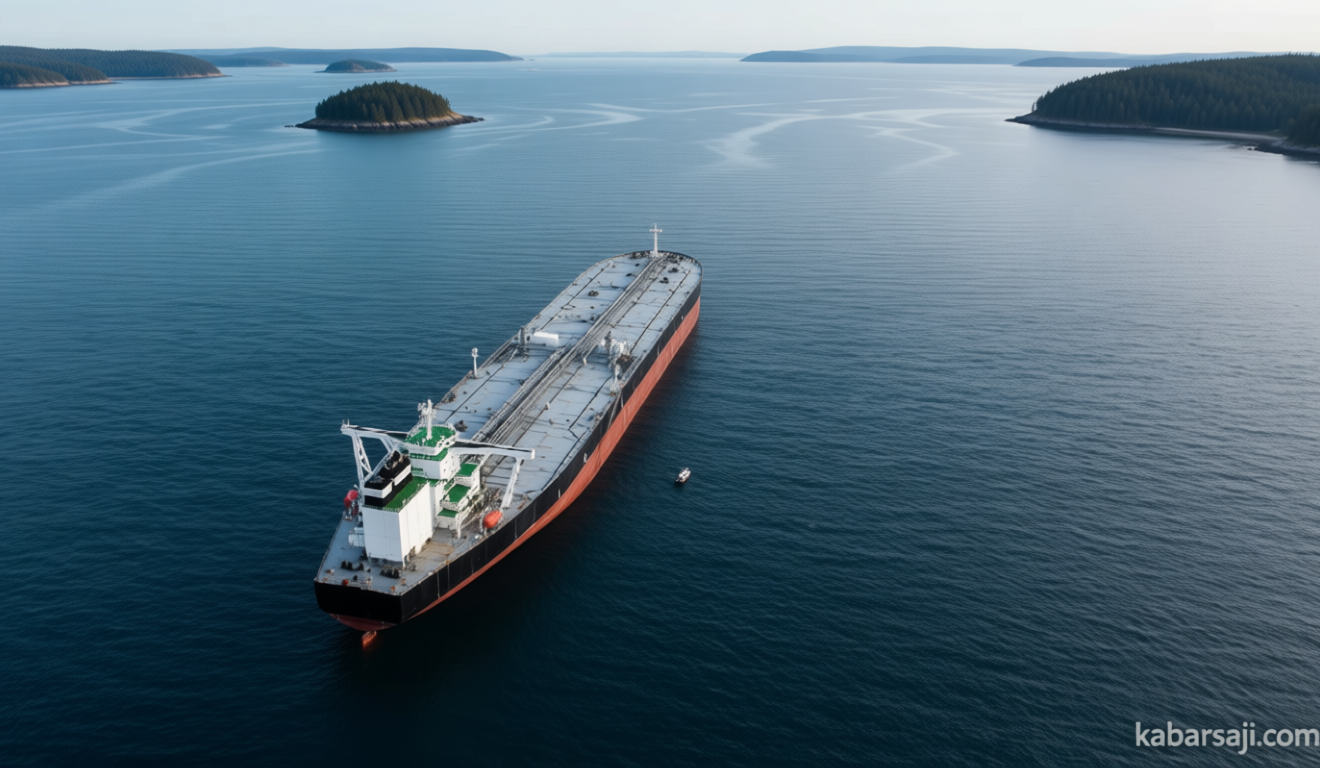
Iran Waives Ship Transit Fees in Strait – Iran has announced a temporary waiver of ship transit fees through the strategically vital Strait of Hormuz for 60 days, a move that could have significant implications for international maritime trade. This decision, issued by the Supreme National Security Council (SNSC), aligns with the Islamabad Memorandum of Understanding (MoU) and aims to streamline shipping operations while easing financial burdens on vessels navigating the narrow waterway. The move is part of broader efforts to enhance cooperation with neighboring countries and signal a shift in Iran’s approach to managing its maritime infrastructure. By covering all associated costs, the Iranian government is demonstrating its commitment to supporting global shipping traffic during this period, which is expected to improve efficiency and reduce congestion in the region.
Background and Context of the Decision
The Strait of Hormuz, a critical chokepoint for global oil exports, has long been a focal point of geopolitical tensions. Iran’s waiver of transit fees comes amid ongoing discussions to strengthen regional partnerships, particularly with Pakistan, which is a key player in the Islamabad MoU. This initiative reflects the Iranian government’s desire to balance economic pressures with strategic interests, ensuring that the waterway remains a vital artery for trade. The SNSC emphasized that the waiver is not a permanent policy but a temporary measure designed to test the effectiveness of the MoU and gauge international response. Such a decision could also serve as a gesture of goodwill, potentially easing diplomatic strains with countries reliant on Iranian shipping lanes.
Implementation and Operational Details
According to the SNSC, the waiver applies to all ships passing through Iranian waters, with the Persian Gulf Waterways Authority (PGSA) tasked to expedite permit applications and prioritize their processing. The PGSA will also outline the technical procedures and navigational guidelines for vessels during this period, ensuring compliance with safety protocols. The decision to waive fees was made in response to the fifth paragraph of the Islamabad MoU, which includes provisions for mine clearance and other logistical improvements. These measures are intended to reduce the risk of maritime incidents and provide a more predictable environment for shipping companies operating in the region.
The SNSC highlighted that the waiver addresses specific challenges, such as the increasing volume of ship traffic and the need for enhanced safety measures. By eliminating transit fees, Iran is encouraging more vessels to use its waters, which could alleviate pressure on alternative routes and reduce the risk of bottlenecks. The move is also expected to lower operational costs for maritime operators, particularly those from countries dependent on Iranian oil imports. Analysts suggest that this temporary relief may help stabilize the region’s shipping dynamics, especially as tensions between Iran and its regional rivals remain a key concern for global trade.
Impact on International Trade and Geopolitical Relations
The waiver of ship transit fees is likely to have a positive impact on international trade, particularly in the energy sector. The Strait of Hormuz accounts for a significant portion of the world’s oil exports, with Iran being one of the largest producers. By reducing costs, the Iranian government is making it more attractive for ships to transit through its waters, which could help maintain steady oil flow to global markets. This decision may also ease concerns among shipping companies and oil-importing nations about the reliability of the waterway, especially during periods of heightened geopolitical risk.
Additionally, the move underscores Iran’s willingness to engage in cooperative frameworks with neighboring states, even as it navigates complex international relations. The Islamabad MoU, signed between Iran and Pakistan, represents a step toward regional stability and shared economic interests. By implementing the fee waiver, Iran is reinforcing its commitment to the agreement while also providing immediate relief to the shipping industry. This could serve as a model for future collaborations, potentially extending to other countries in the Gulf region or beyond. However, the long-term success of the policy will depend on Iran’s ability to maintain consistent operations and ensure the safety of its maritime routes.
While the waiver is a notable step, it is part of a larger strategy to manage the Strait of Hormuz’s challenges. The SNSC has emphasized that the policy is temporary and will be reviewed after the 60-day period. This allows Iran to assess its economic and logistical impact before making a permanent decision. The policy also aligns with Iran’s efforts to position itself as a reliable partner in global trade, countering narratives of economic isolation. As the world continues to rely on the Strait of Hormuz for energy and goods transportation, Iran’s decision may have lasting effects on maritime logistics and international diplomacy.