
Three Meteor Showers to Light Up the Night Sky This July
Three Meteor Showers to Light Up the Night Sky This July Three Meteor Showers to Light Up - This July is set to be an extraordinary month for astronomy
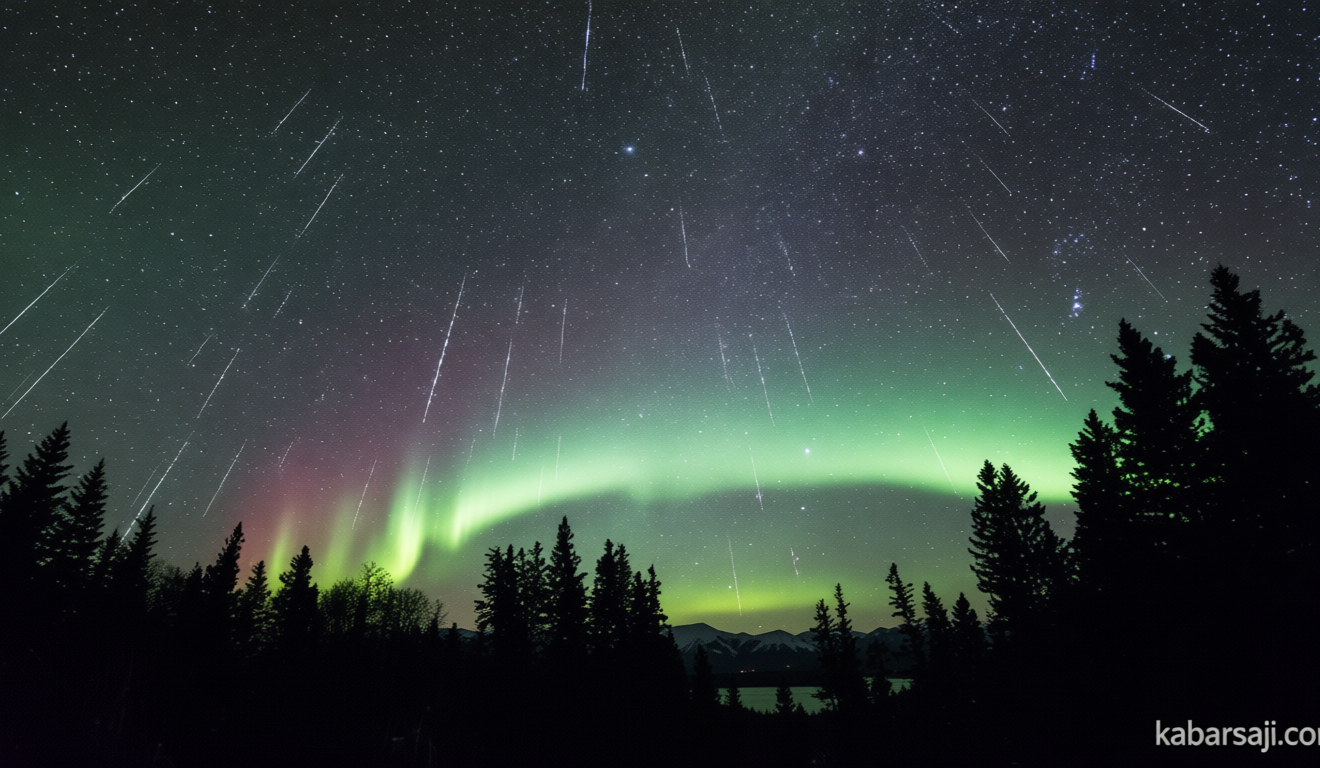
Three Meteor Showers to Light Up the Night Sky This July
Three Meteor Showers to Light Up – This July is set to be an extraordinary month for astronomy enthusiasts, as three meteor showers will offer spectacular opportunities to witness the heavens come alive. The focus keyword, “Three Meteor Showers to Light,” encapsulates the celestial spectacle that will captivate stargazers across the globe. These events, occurring in tandem with planetary alignments and the year’s second full moon—the Blue Moon—will create a unique window for observing the cosmos. According to Avivah Yamani, an astronomer and skywatching enthusiast from the Southern Sky Community, the month is brimming with opportunities to witness cosmic wonders, especially as the skies prepare for the first major meteor shower of the season.
Meteor Showers to Peak in Late July
The Piscis Austrinid meteor shower is expected to reach its peak on July 28-29, delivering up to five meteors per hour. This annual event, active from July 15 to August 10, will feature meteors that appear to radiate from the constellation Piscis Austrinus. With a speed of 35 kilometers per second, these streaks will offer a glimpse into the remnants of comets and asteroids. Observers can start tracking the shower as early as 7:51 p.m. local time, with the best viewing conditions around 2:13 a.m., when the radiant point is highest in the sky. For those interested, the focus keyword “Three Meteor Showers to Light” will be a recurring theme in this year’s celestial events, ensuring that July remains a highlight for anyone with a passion for the stars.
“One of the month’s earliest highlights will occur shortly after sunset, when Venus appears very close to Regulus,” Yamani noted.
Following the Piscis Austrinid, the Southern Delta Aquariids will peak on July 30-31, providing a moderate but still impressive display of up to 25 meteors per hour. These meteors, originating from the constellation Delta Aquarius, are known for their speed of 41 kilometers per second and their ability to produce vivid trails across the night sky. Meanwhile, the Alpha Capricornids, though less frequent, will showcase brilliant fireballs that are not to be missed. Despite their lower rate of about five meteors per hour, the Alpha Capricornids’ striking visuals make them a worthwhile addition to this month’s lineup of celestial phenomena. With “Three Meteor Showers to Light” being a key element of July’s stargazing experience, these events will be a focal point for both casual observers and dedicated astronomy buffs.
Planetary Highlights and Optimal Viewing Conditions
July also presents a range of planetary highlights that will complement the meteor showers. Mercury will be visible in the western sky after sunset during the first week, offering a fleeting but impactful presence for those who catch it. Venus, the brightest planet in the night sky, will continue to shine as an evening star, making it a standout feature for early stargazers. In mid-July, the alignment of Venus and Jupiter with the Moon will create a stunning visual, as these two planets will appear close together, enhancing the allure of the night sky. Mars and Saturn, meanwhile, will be visible in the eastern sky before sunrise, providing a contrasting view to the evening’s vibrant celestial displays. Optimal viewing conditions will depend on clear skies and minimal light pollution, with the best chances occurring in rural areas or from elevated locations. For those eager to make the most of these moments, “Three Meteor Showers to Light” will not only light up the night but also serve as a reminder of the vastness of the universe.
“The optimal time for viewing the meteor showers is during the hours when the radiant is highest, which requires patience and clear skies,” Yamani explained.
Additionally, the Blue Moon on July 29 will provide a perfect backdrop for observing the meteor showers. This full moon, which is the second full moon of the year, will appear slightly larger and brighter than usual due to its proximity to Earth. While the Blue Moon itself is a striking event, its presence will highlight the meteor showers, making it easier for skywatchers to identify the meteors against the moonlit sky. The combination of these elements—three meteor showers, planetary alignments, and the Blue Moon—will create a memorable celestial experience for those who take the time to look up. As the focus keyword “Three Meteor Showers to Light” becomes a central point of this month’s astronomical events, the opportunities for observation are both diverse and abundant.
Blue Moon and Earth’s Aphelion
As Earth reaches its farthest point from the Sun on July 7, known as aphelion, the planet’s position in its orbit may influence the visibility of certain celestial events. This event occurs at a distance of approximately 152.5 million kilometers, which is about 3.4% farther than its average distance from the Sun. While aphelion itself doesn’t directly affect the meteor showers, it sets the stage for the month’s astronomical phenomena, including the Blue Moon on July 29. On that date, the Moon will be fully illuminated, creating a beautiful sight for stargazers. The Blue Moon’s brightness, however, may slightly reduce the visibility of faint meteors, so observers are advised to plan their stargazing sessions around the peak times of the meteor showers.