
Rico Sirait: Defense Procurement Followed the Rules
fense Procurement Followed the Rules Rico Sirait, the head of Indonesia’s Defense Information Bureau, has been at the center of recent discussions regarding
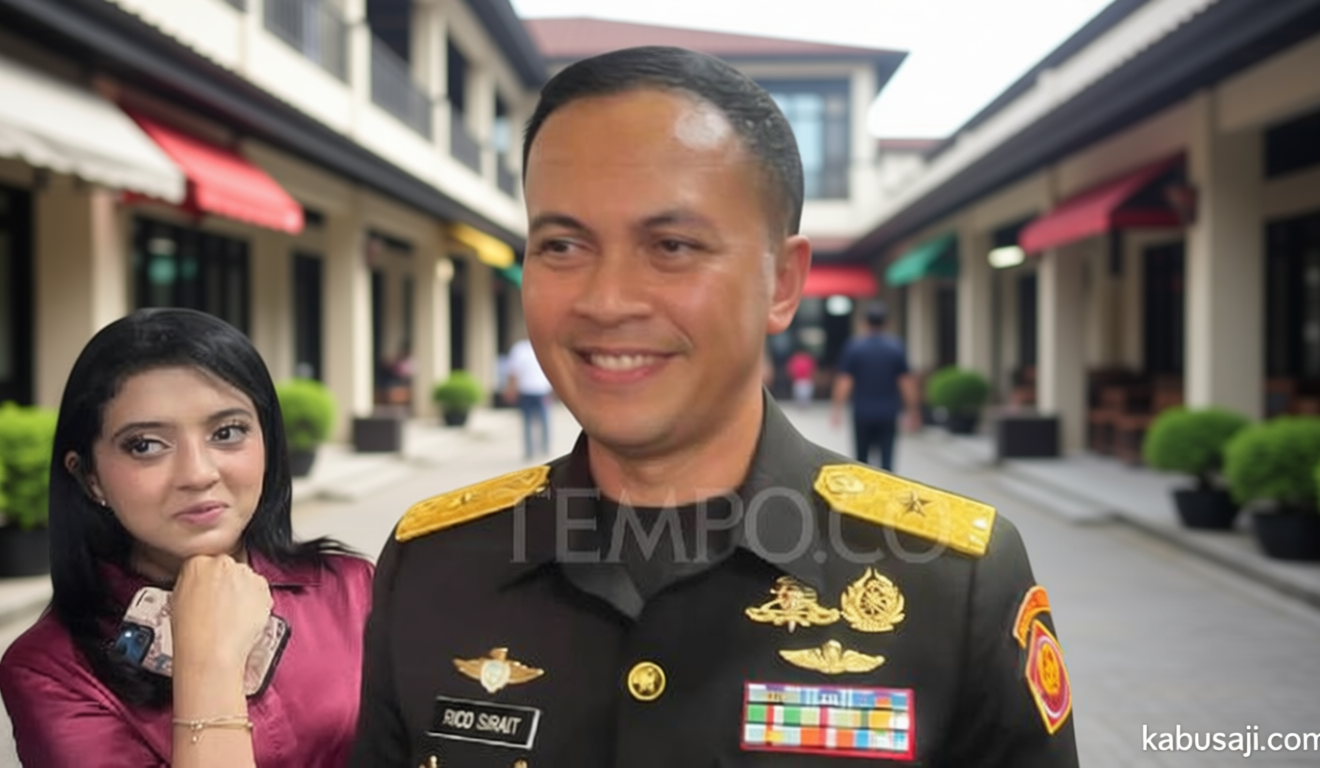
Rico Sirait: Defense Procurement Followed the Rules
Rico Sirait, the head of Indonesia’s Defense Information Bureau, has been at the center of recent discussions regarding the country’s defense procurement processes. His name has surfaced repeatedly in reports about the collaboration between the Ministry of Defense and companies associated with Gaurav Srivastava, a figure linked to the United States Department of Defense. The controversy gained traction after Rico was delayed in his scheduled interview with Tempo magazine, prompting questions about transparency and adherence to protocol. Despite the postponement, Rico emphasized that all actions taken during the procurement process were in compliance with established rules, as he explained in a
statement issued before the interview was rescheduled
.
Collaboration Began During U.S. Diplomatic Engagement
The partnership between Indonesia’s Defense Ministry and the U.S. defense sector was initiated during a high-profile visit in December 2020. At that time, Christopher Miller, the acting U.S. Defense Secretary, and Kash Patel, who later became FBI director, traveled to Jakarta to meet with Prabowo Subianto, the then-defense minister. Gaurav Srivastava, who accompanied Miller, played a pivotal role in facilitating the discussions. These meetings, held at the Gerindra Party General Chair’s residence in South Jakarta, marked the beginning of a series of agreements that have since drawn scrutiny. Rico Sirait, as the current head of the Defense Information Bureau, has been tasked with explaining the rationale behind these decisions and ensuring that all procedures were followed meticulously.
The procurement process, which involves selecting vendors for military equipment and infrastructure projects, has been a focal point of public debate. Rico’s role in overseeing this process has made him a key figure in the conversation. His administration has been scrutinized for its interactions with international firms, particularly those with ties to the U.S. defense industry. While the initial discussions were framed as diplomatic efforts to strengthen military ties, critics argue that the lack of transparency in the meetings raises concerns about potential conflicts of interest. Rico, however, has maintained that all steps were conducted in accordance with legal frameworks and that the involvement of foreign entities was necessary for securing advanced technology and expertise.
Procurement Protocols and Transparency Measures
Rico Sirait’s defense of the procurement process hinges on the principle of following established rules. He has highlighted that the ministry adheres to a rigorous system of evaluation, which includes competitive bidding and due diligence checks for all potential suppliers. The latest development, the postponement of his interview, underscores the importance of thorough preparation in addressing questions about the collaboration. During the rescheduled meeting, Rico reiterated that the procurement agreements were not rushed and that multiple stakeholders, including the procurement committee and oversight bodies, were involved in the decision-making.
One of the key areas of focus in the discussions has been the acquisition of fighter jets from U.S. manufacturers. Tempo magazine’s investigation suggests that these deals were negotiated with the intention of modernizing Indonesia’s air force. Rico has defended the timing of the purchases, stating that they align with long-term strategic goals and international partnerships. However, the absence of public documentation and the limited availability of officials for interviews have fueled speculation about the process’s transparency. In response, Rico has called for a more detailed examination of the procurement steps, asserting that the ministry remains committed to accountability and compliance with national and international standards.
As the procurement process unfolds, Rico Sirait’s actions continue to be a subject of both support and criticism. While some view his leadership as a necessary step in advancing Indonesia’s defense capabilities, others argue that more detailed information should be made available to the public. The upcoming interview with Tempo is expected to provide further insights into the ministry’s rationale for selecting specific companies and the role of Gaurav Srivastava in these decisions. Rico has also hinted at the potential for future collaborations, emphasizing that the current agreements are part of a broader effort to enhance Indonesia’s military readiness and technological independence. The full details of the procurement process, including its financial implications and geopolitical considerations, will be critical in shaping the narrative around this ongoing development.
Industry experts and analysts have weighed in on the situation, noting that defense procurement often involves complex negotiations and strategic considerations. Rico Sirait’s emphasis on following rules aligns with a trend of prioritizing institutional procedures in high-stakes international deals. However, the public’s demand for transparency has led to calls for more detailed reporting on the criteria used to evaluate bids and the specific roles of individuals involved in the agreements. Tempo magazine’s coverage has played a vital role in bringing these discussions to light, ensuring that Rico’s explanations are scrutinized by both domestic and international audiences. The article’s exploration of the procurement process underscores the importance of clear communication and adherence to ethical guidelines in maintaining public trust.